
Forgotten Dairies
2027: A Defining Choice For Nigeria’s Future -By Hassan Zakariyya
History reminds us that meaningful economic transformation does not happen overnight. It often requires a period of adjustment before stability and growth begin to take hold. The responsibility now lies with Nigerians to decide whether the current challenges represent wasted hardship or a strategic investment in a more stable and prosperous future.

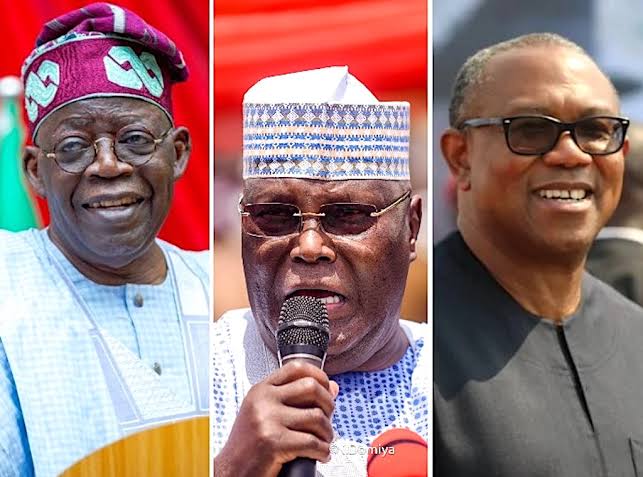
Nigeria is at a defining moment in its history. As we look toward 2027, the question before us should be one of direction, courage, and long-term national stability, not one driven by emotions or sentiments.
When Bola Ahmed Tinubu assumed office in 2023, he inherited an economy under significant strain, burdened by unsustainable subsidies, multiple exchange rates, declining investor confidence, and systemic inefficiencies that benefited a few while disadvantaging many. These were not new challenges. Previous administrations, including that of Muhammadu Buhari, were aware of them but struggled to confront them decisively.
One of the most consequential decisions of this administration was the removal of the fuel subsidy. For years, it consumed vast public resources while offering limited real benefit to ordinary Nigerians. Instead, it largely enriched a narrow group of beneficiaries and encouraged widespread abuse. Ending it was difficult and unpopular, but fundamentally necessary.
Alongside this, the unification of the foreign exchange system marked a critical shift away from a fragmented and distortionary framework. By addressing these structural imbalances, the government has begun restoring credibility to Nigeria’s economic environment. Public revenue is improving, pressure on debt servicing is easing, and the foundation for a more transparent and competitive system is gradually taking shape.
That said, it would be incomplete and unfair not to acknowledge the challenges Nigerians are currently facing. The rising cost of living has placed significant pressure on households. Inflation has eroded purchasing power, and businesses continue to grapple with higher operating costs. These realities are undeniable, and the concerns of citizens are both valid and necessary. A responsive government must continue to address them with urgency, empathy, and practical solutions.
At the same time, efforts have been made to provide relief, student loan initiatives, targeted social interventions, and programs aimed at supporting vulnerable populations under the Renewed Hope Agenda. While these measures are not yet sufficient to fully offset the impact of ongoing reforms, they reflect an awareness of the burden many Nigerians are carrying.
As the conversation shifts toward 2027, it is important to move beyond criticism and examine the broader political landscape.
Atiku Abubakar remains a prominent figure with extensive experience. However, his long-standing presence in presidential contests raises questions for those seeking a clear departure from established political patterns.
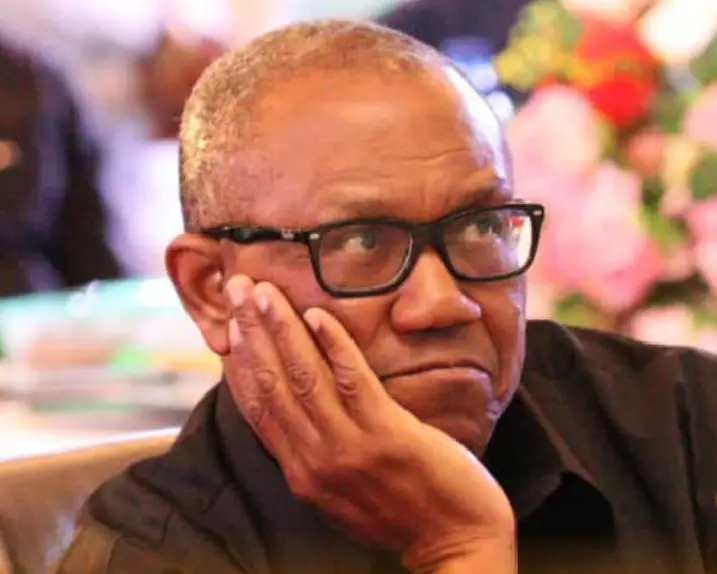
Peter Obi, on the other hand, has energized a significant segment of the population, particularly younger Nigerians. Yet, enthusiasm alone does not translate into governance capacity. Effective national leadership requires not only vision, but also institutional reach, political structure, and the ability to navigate a complex and demanding system.
This is where Tinubu’s position stands out. Beyond being an incumbent, he is a seasoned political strategist with an extensive national network and a demonstrated ability to build and sustain governance structures.
Ultimately, the decision before Nigerians is not about choosing a perfect leader, it is about choosing a direction.
Do we continue with a leader who has initiated difficult but necessary reforms and allow those policies the time to mature? Or do we change course entirely and risk restarting the cycle of hesitation and delay?
Tinubu’s argument for 2027 is straightforward, the foundation has been laid, and the process of reform is already underway.
History reminds us that meaningful economic transformation does not happen overnight. It often requires a period of adjustment before stability and growth begin to take hold. The responsibility now lies with Nigerians to decide whether the current challenges represent wasted hardship or a strategic investment in a more stable and prosperous future.
Renewed Hope Ambassador ♾️

















You must be logged in to post a comment Login