
Economy
A Review of the Central Bank of Nigeria’s Monetary Policy, by Isah Aliyu Chiroma

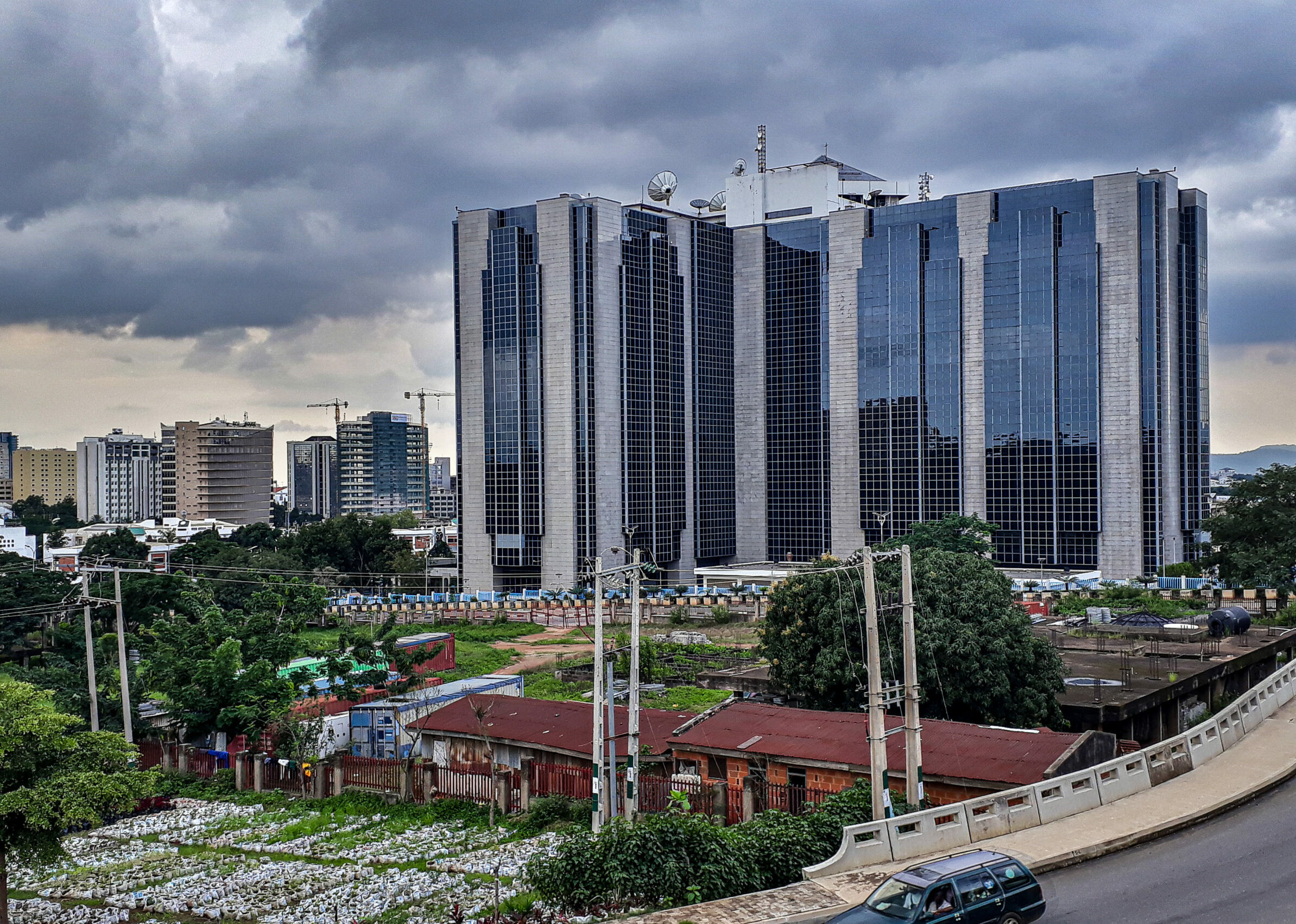
In a bid to further combat inflation and stabilize the economy, the Central Bank of Nigeria (CBN) recently raised the Monetary Policy Rate (MPR) by 50 basis points to 27.25% from 26.75%, alongside several other policy adjustments. This move has ignited conversations across the country as both businesses and consumers grapple with the potential effects of these changes. The Monetary Policy Committee (MPC) of the CBN, assessed key economic developments and risks, ultimately opting for a tightening policy approach. While the intention behind these decisions is clear, the implications for Nigeria’s economy are mixed and merit further reflection.

At the core of this policy decision is the need to manage inflation, which remains a persistent issue. Inflationary pressures have been somewhat alleviated in recent months, with headline inflation easing from 33.40% in July to 32.15% in August. This slight dip, primarily due to a decrease in food inflation, is encouraging, but the rise in core inflation—driven by escalating energy prices—continues to pose a significant challenge.
The CBN’s decision to raise the MPR is a classic response to high inflation. By increasing the cost of borrowing, the bank hopes to reduce the amount of money in circulation, thereby curbing demand and slowing down price growth. However, this approach has its own setbacks. A higher interest rate could stifle economic growth by making loans more expensive for businesses and consumers alike. This could hamper investment, slow down production, and, in turn, reduce the overall growth of the economy.
Nevertheless, the CBN’s approach reflects a delicate balancing act between curbing inflation and ensuring that Nigeria’s nascent economic recovery is not derailed. With real GDP growing by 3.19% in the second quarter of 2024, up from 2.98% in the first quarter, it appears we are on a positive trajectory. However, the persistence of inflationary pressures, particularly from the energy sector, requires decisive action to prevent long-term destabilization.
One of the most notable aspects of the CBN’s latest approach is its acknowledgment of the core inflation drivers, particularly energy prices. As energy prices continue to rise, they exert upward pressure on the cost of goods and services, leading to increased inflation. There is a lot of concerns over the price of energy products, which brings the need for collaboration with fiscal authorities to tackle this issue head-on.
In addition to energy prices, insecurity in farming communities is another significant factor contributing to inflation, particularly food inflation. Flooding, scarcity of Premium Motor Spirit (PMS), and challenges posed by insecurity have hampered agricultural production, driving up food prices. The Federal Government addresses these issues, including the duty-free importation of food commodities and the lifting of refined petroleum products from the Dangote refinery.
While these measures are steps in the right direction, they are only short-term solutions. For lasting stability, there needs to be a concerted effort to address the structural issues in the agricultural and energy sectors. Insecurity must be tackled decisively, and infrastructure investments should be prioritized to improve the efficiency of Nigeria’s agricultural supply chain. Without these long-term fixes, inflationary pressures could remain a constant thorn in the side of the economy.
There is the need to manage excess liquidity in the system. With the growing money supply and pressures on the foreign exchange market, the MPC opted to raise the Cash Reserve Ratio (CRR) for deposit money banks by 500 basis points to 50%, and by 200 basis points to 16% for merchant banks. This move is aimed at tightening liquidity and controlling the flow of money into the economy, which could help alleviate pressure on the foreign exchange market.
Additionally, a raising concern is the growing fiscal deficit, on the other hand, the government is commitment not to resort to monetary financing through Ways & Means—a practice where the central bank finances government deficits by printing money. The connection between the Federation Account Allocation Committee (FAAC) and liquidity in the banking system is a potential pressure point for the exchange rate.
While these steps taken shows fiscal discipline, the broader issue of Nigeria’s fiscal imbalance remains a cause for concern. Addressing the country’s fiscal deficit requires more than just monetary restraint; it demands comprehensive fiscal reforms, including improved revenue generation, effective public spending, and curbing government borrowing. Until these reforms are put in place, monetary policy alone cannot stabilize Nigeria’s economy in the long term.
The CBN’s new policy also emphasized the condition of Nigeria’s banking system, noting that despite familiar headwinds, the sector remains safe, sound, and stable. This is a positive development, as a strong banking sector is crucial for economic growth and financial stability. However, the Committee underscored the importance of sustained supervisory oversight to ensure that the banking industry continues to support the broader economy.
Furthermore, the CBN highlighted the need to achieve a positive real interest rate to attract investment into Nigeria. With the real policy rate still negative, even after the recent moderation in headline inflation, the country remains less competitive for international capital. By tightening monetary policy and stabilizing inflation, the CBN aims to enhance Nigeria’s attractiveness to foreign investors, which could bolster the exchange rate and support long-term economic growth.
The latest monetary policy decisions reflect its ongoing commitment to stabilizing the economy and curbing inflation. While raising the MPR and tightening liquidity are necessary steps to address inflationary pressures, these measures must be complemented by broader structural reforms in the energy and agricultural sectors. Additionally, the government must continue its efforts to address insecurity and maintain fiscal discipline to ensure that the country’s economic recovery remains on track.
As Nigeria moves forward, it is essential for both monetary and fiscal authorities to work in tandem to navigate the challenges ahead. The country is at a crossroads, and while the CBN’s latest policy adjustments are a step in the right direction, sustained collaboration and long-term reforms are needed to secure Nigeria’s economic future.
























You must be logged in to post a comment Login