
Politics
Anambra State Governorship Election and the Lessons Learnt -By Tochukwu Jimo Obi
Perhaps the most troubling takeaway from the election is the persistently low voter turnout. Out of a total of 2,788,864 registered voters in Anambra State, only 595,298 people, representing 21.35 percent participated in the election. This means that 78.65 percent of registered voters did not vote. Such a high level of voter apathy raises serious questions about citizens’ faith in the electoral process and the overall health of democracy in Nigeria.

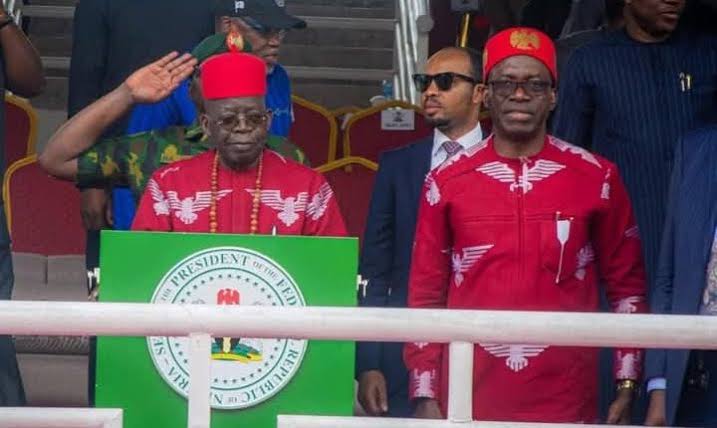
The Anambra State governorship election has come and gone, with the incumbent governor, Professor Charles Chukwuma Soludo, re-elected for another term. The election, which drew both local and international attention, has been widely adjudged as one of the most peaceful, free, and fair polls in recent times.
One of the most remarkable aspects of this election was the significant improvement in the conduct of the Independent National Electoral Commission (INEC). Unlike in previous elections marred by late commencement, logistical lapses, and voter frustration, this time around, voting started as scheduled in most polling units. INEC officials arrived early at the various election venues, which contributed to the smooth and orderly conduct of the process.
Another outstanding achievement from the polls was the timely transmission of election results from the polling units to the INEC Results Viewing Portal (IReV). This development ensured transparency, aided early collation of results, and eliminated the usual delays that often lead to inconclusive elections. The real-time upload of results also enhanced public confidence in the electoral process and reduced opportunities for manipulation during result collation.
However, despite these commendable strides, the election was not without a few hitches. Reports from some polling units indicated that INEC officials arrived without original result sheets. This irregularity is worrisome and must be thoroughly investigated, as it could create loopholes for result tampering and potential rigging. INEC must ensure that such lapses do not recur in future elections.
Perhaps the most troubling takeaway from the election is the persistently low voter turnout. Out of a total of 2,788,864 registered voters in Anambra State, only 595,298 people, representing 21.35 percent participated in the election. This means that 78.65 percent of registered voters did not vote. Such a high level of voter apathy raises serious questions about citizens’ faith in the electoral process and the overall health of democracy in Nigeria.
Voter apathy not only undermines democratic representation but also leads to wastage of public funds. INEC’s budget for elections is based on the total number of registered voters, meaning that when turnout is low, a significant portion of public resources goes to waste. To address this, INEC should regularly update its database to reflect active and current voters.
Furthermore, the time has come for Nigeria to consider adopting full electronic voting. A system where eligible citizens vote using their National Identification Number (NIN) as their voting ID would streamline the process, reduce costs associated with printing ballot papers, and completely eliminate the use of physical result sheets that are susceptible to tampering. Electronic voting, coupled with real-time transmission of results, will deepen transparency and strengthen public trust in the electoral process.
Additionally, the issue of vote buying and electoral misconduct must be tackled decisively. Security agencies should ensure that all those arrested for vote buying and other electoral offences are prosecuted promptly. This will serve as a deterrent to others and reinforce the integrity of the electoral process.
Finally, INEC should undertake a comprehensive post-election review to identify what went well and what needs improvement. Lessons from this election should serve as a blueprint for refining subsequent polls across the country.
In conclusion, the 2025 Anambra State governorship election has proven that credible elections are achievable in Nigeria with proper planning, technology, and transparency. However, sustained efforts are needed to eliminate voter apathy, close administrative gaps, and uphold electoral integrity. Only then can Nigeria’s democracy continue to grow stronger and truly reflect the will of the people.
Tochukwu Jimo Obi, a public affairs commentator writes from Obosi in Anambra state.


























You must be logged in to post a comment Login