
National Issues
Bad Governance: To Protest or Not to Protest?, by Ezinwanne Onwuka


For the past 14 months, Nigerians have been struggling under rapid policy changes by the current administration. The abrupt end of the fuel subsidy and foreign exchange reforms, with no safety nets, have hit hard, leading to a sharp surge in the cost of food items, transportation, and essential goods. Inflation now stands at 33.40 per cent, according to the latest data from the National Bureau of Statistics.
Eight months ago, in January, I wrote a piece titled “Tinubu, Where is the Hope?” which was published in several traditional and online news platforms. The article was a reflection of the economic troubles under Tinubu’s leadership. Unfortunately, nearly nine months later after that article, the situation has only worsened. Nigeria and its citizens continue to grapple with an unprecedented cost of living crisis with little hope of alleviation in sight.
The promised ‘Renewed Hope’ has turned to despair, with thousands of Nigerians sliding deeper into poverty, causing widespread discontent with the ‘Renewed Hope’ government. The response from Nigerians is not strange for when a government fails in its duty to safeguard the well-being of its citizens, it inevitably opens the door to dissent.
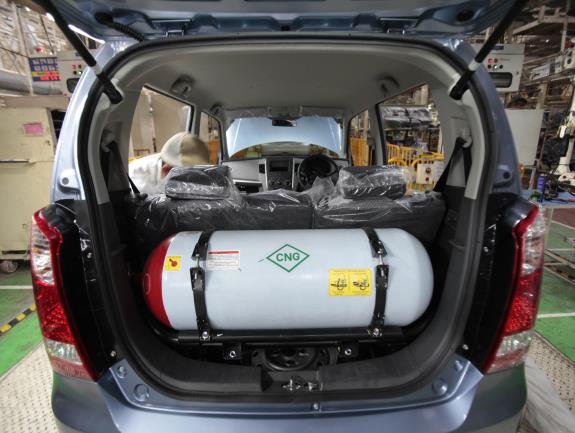
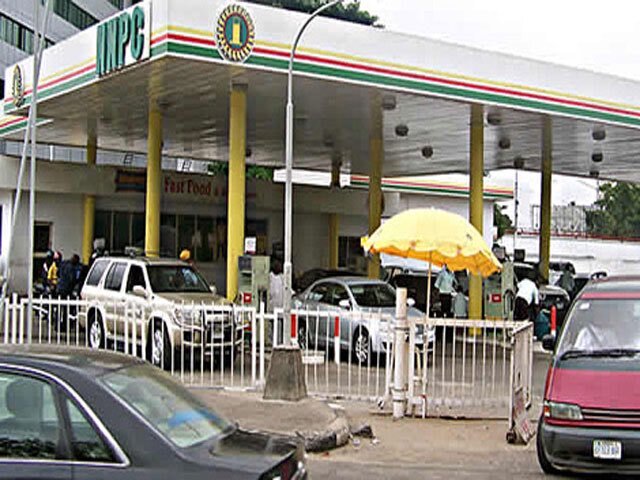
The decision to remove the petrol subsidy was sold to Nigerians as a necessary evil, a step toward long-term stability, but it has done the opposite. Fuel prices have skyrocketed, triggering a chain reaction of increased costs across all sectors. Transport costs and food prices have doubled and have become almost unaffordable. Daily living has become a battle for survival. For a government that promised relief, the results have been anything but.
The dramatic floating of the exchange rate, another touted remedy, has further weakened the naira, which now hovers around N1,600 to the US dollar. This continuing devaluation has made imports prohibitively expensive, intensifying inflation and worsening the economic strain on Nigerians. Furthermore, this move has not led to the desired increase in foreign investments; rather, the past months have witnessed the exit of multinational companies like Procter & Gamble, Unilever, Diageo, Sanofi, and GlaxoSmithKline, among others.
Then there is the issue of insecurity, which has become a recurring nightmare. From the north to the south, east to west, no region is spared from the scourge of banditry, kidnapping, insurgency, or attacks by nomadic Fulani herdsmen. The government’s tepid response has left Nigerians vulnerable. Citizens are now forced to defend their communities against AK47-wielding attackers with improvised weapons such as homemade shotguns, machetes, and bow and arrows.
And as if to highlight the struggles of the nation, the recent Paris 2024 Olympics brought forth another disappointment. Team Nigeria’s performance was dismal, an embarrassing contrast to the stellar achievements of Nigerian athletes who represented other countries. Their success abroad is a painful reminder of the opportunities and support that are sorely lacking at home. It raises the question: what hope is there for a country that fails to harness the talents of its own people?
The downturn in our collective economic fortunes led to protests in the country labelled #EndBadGovernance, three months after the first anniversary of Bola Tinubu’s inauguration as Nigeria’s president. Amidst growing frustrations over the economic reforms that seem to worsen poverty, Nigerians congregated at court-designated areas on the first ten days of August in grievance with banners bearing complaints about hunger, bad governance, and the effects of soaring inflation. Some protesters went so far as demanding a return to the subsidy era—albeit, a complete return given speculations here and there that the subsidy has not been entirely scrapped.
As Nigerians struggle to cope with a government that has seemingly turned its back on the people with plans for another wave of protests starting 1st October in motion, the question on everyone’s lips is: to protest or not to protest? In the thick of the #EndBadGovernance protests, I came across numerous voices on social media platforms condemning protests and advocating for dialogue as a more workable alternative. However, the answer to that question, unequivocally, is “to protest”. It is not up for debate.
Contrary to the misconceptions of anti-protesters, to protest is not to act against the nation—it is to act for it. Protests are not rebellions against the country; they are calls for better governance. Throughout history, protests have played a crucial role in driving transformative change, from the Civil Rights Movement in the United States to the Anti-Apartheid struggle in South Africa.
In Nigeria, protests have also been a catalyst for positive change. The #EndSARS movement in 2020, for instance, brought attention to police brutality and spurred reforms within the force. The #BringBackOurGirls campaign exposed the government’s inaction after the Chibok girls’ abduction and pushed for action and accountability. More recently, President Tinubu’s approval of a 133 per cent minimum wage increase, from N30,000 to N70,000, was a direct response to protests by the Nigeria Labour Congress and Trade Union Congress.
Therefore, protests are a necessary tool to drive change for when those in power fail to listen, citizens must make their voices heard. As the government of the day continues to falter, Nigerians are justified in demanding better from their elected representatives, peacefully yet firmly. Especially now as there is still no concrete plan from the government to address its failures or revive the economy—aside from President Tinubu’s speech on 4th August, which touted so-called achievements that have yet to be felt and are unlikely to ever be.
Ezinwanne Onwuka, ezinwanne.dominion@gmail.com.

















You must be logged in to post a comment Login