Breaking News
Bolivian President Imposes Emergency Rule Amid Protests, Road Blockades
Bolivia imposed emergency measures after anti-government protests caused major disruptions and shortages of fuel, food and medicine.

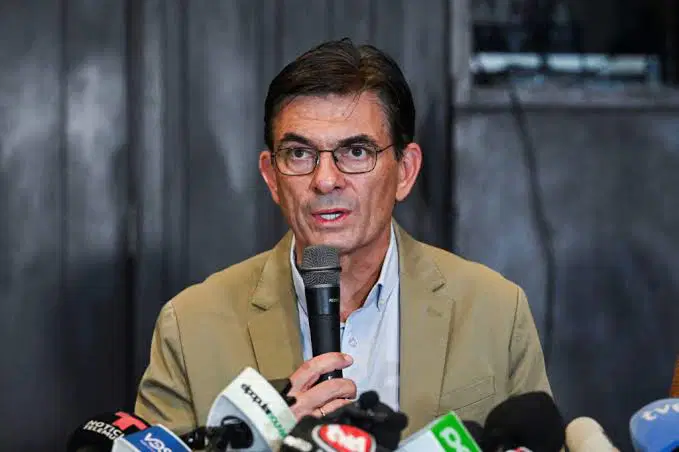
Bolivian President Rodrigo Paz has declared a state of emergency across the country after weeks of anti-government protests and road blockades linked to opposition against his economic reforms.
The decision was announced on Saturday after more than six weeks of demonstrations that severely disrupted transportation and caused shortages of fuel, food and medicine in several cities, including La Paz.
Paz said the government acted after exhausting efforts to negotiate with protest groups.
“After exhausting all avenues of dialogue, reaching agreements with those whose demands were legitimate, and identifying those who used violence in an attempt to destabilize Bolivia, we made the decision to declare a state of emergency across the entire national territory,” he said during a televised speech.
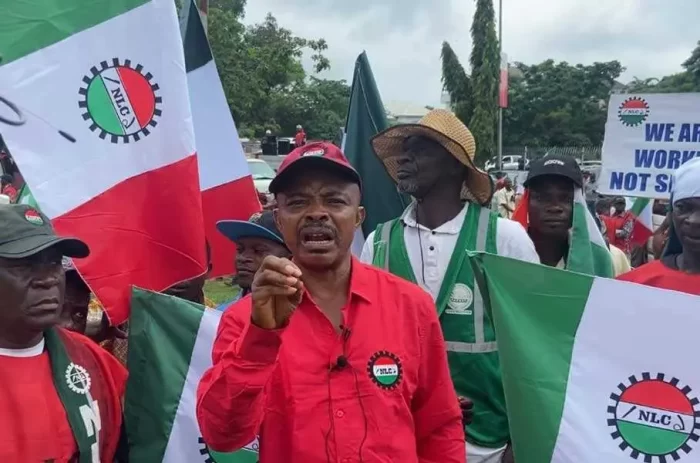
The protests began in early May, led by the Bolivian Workers’ Central (COB), which opposed Paz’s plans to tackle Bolivia’s deepest economic crisis in 40 years.
Demonstrators, including labor unions, farmers, miners, truck drivers and teachers, demanded an end to the president’s reform agenda and called for his resignation.
Paz, who came to power seven months ago and ended 20 years of socialist rule, reached an agreement with COB on Friday after several days of negotiations.
Under the deal, the government agreed not to privatize public companies and committed to setting up working groups involving ministers and union leaders to address key demands.
COB leader Mario Argollo announced that nationwide protest actions had been suspended.
“From now on, pressure measures are lifted nationwide,” he said.
Paz welcomed the agreement, insisting that “dialogue is stronger than force itself.”
Despite the breakthrough, some labor groups and coca farmers in the Chapare region, a political stronghold of former president Evo Morales, rejected the agreement and continued their protests.
“We have decided to harden the roadblocks,” union leader Antonio Mallku said, claiming many Indigenous communities felt “betrayed” by the negotiations.
Authorities said the number of blockades had reduced from more than 100 to around 50.
Paz also ordered security forces to reopen blocked roads and restore order.
He said police and the armed forces had been directed “to restore freedom of movement, regain control of the roads, and guarantee the security of the population,” warning protesters against violence.
The government has been given 90 days to address several demands raised by unions under the agreement reached with COB.
Meanwhile, Paz accused allies of former president Evo Morales of fueling the unrest, describing them as “narcoterrorists.”
Morales remains in hiding while facing accusations related to the alleged trafficking of a minor, claims he has denied.
Africans Angle News