
Forgotten Dairies
Britain’s Beauty Wild West -By Fransiscus Nanga Roka
Most importantly, Britain requires a single product traceability infrastructure that covers imports, suppliers, prescribers and injectors together. Without traceability, enforcement is blind and blame always out in front of accountability.

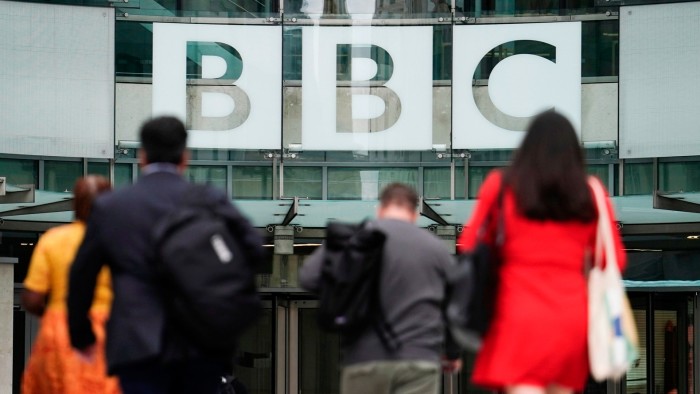
That scandal, outlined in a series of BBC-led investigations, goes beyond botox and rogue beauticians. It concerns a modern state which has lost control of a £3.6 billion industry now operating, in critical areas, more like an oriental bazaar with hypodermics. The UK non-surgical aesthetics industry, or, as some have dubbed it the Wild West of beauty is littered with weak rules, patchy enforcement and a social-media sales machine that converts medical risk into lifestyle content.
Many inexperienced consumers, mostly young women and teenagers are being tempted by out of court injectors, black market suppliers, influencers and sometimes even reportedly irresponsible prescribers selling medical grade products via Instagram, TikTok and WhatsApp. Regulators have appeared disjointed and sluggish in comparison.
Cosmetic wise, what is supposed to be the normalization of illegal Botox, risky teeth-whitening agents and prescription-strength skin drugs made available without medical oversight. Botox is a prescription only medicine under the Human Medicines Regulations 2012. However, evidence cited from UCL was that in practice between 88% and 90% of beauty clinics in London were openly advertising online —a demonstrably sign that the law exists but the fear does not.
The where is Britain, but percentrically again not inside the clinicl. The market has extended to become a part of огромный salons, homes, message threads and car parks. That alone should humiliate regulators. It is not the same thing that when a quasi medical procedure can be arranged, at the press of button as simply as ordering takeaway that the system is strained red; it has broken.
The backlash against post-investigation practices has put pressure on legal, medical and political institutions to confront what should have been addressed years ago: an aesthetics economy that had outpaced the rules intended to contain it.
The why is structural. So Britain crafted a monstrous ill-fitting pair: soaring consumer demand, low market entry barriers, weak online enforcement and legal loopholes that cleave prescribing from injecting. The outcome is a market in which someone can legally receive a medical product from (hopefully) a qualified prescriber and then deliver that needle to a largely inept individual. That is not regulation. That is regulatory theater.
And the — how — is bloody efficient And illegal product is imported, poorly disguised for sale, and marketed through algorithm-driven glam with people administering it who probably should never go anywhere near a face with a syringe. The results are particularly frightening in teeth whitening, where products from unregulate beauticians were said to contain up to 50 percent (hydrogen peroxide)* — well above the trace levels ever allowed for use by consumers and the limits placed by law on dentists. That is not beauty. That is chemical recklessness.
Britain’s response must cease with slogans and commence at the level of sanctions. A lucrative aesthetics market has grown up on the back of a dangerous fiction which the state has allowed to sustain itself: that high-risk cosmetic procedures can be properly characterised as lifestyle services rather than medical interventions with real injury, real liability and real victims.
The first and most immediate fix is to close the injection loophole. Sure, if Botox and certain high-risk fillers are prescription grade products— then only a licensed medical professional should be doing the injecting. Anything else is legal hypocrisy. Today that means one person can prescribe and another less qualified person can inject. This division of responsibility is how harm is laundered into intuition. A syringe does not stop being dangerous because a clinic has pretty branding.
Second, illegal digital operators should be treated as regulatory wrongdoers with sanctions. Where a product is only approved for medical use under supervision, selling it via Instagram, TikTok or WhatsApp should not be seen as marketing but grounds for criminal and civil penalties. License should be permanently taken away from habitual offenders. There must also be real liability for platforms algorithmically amplifying these ads. Right now, the model is set up in such a way that virality gets rewarded and caution punished, hence dangerous content spreads more quickly than enforcement can move.
Finally, the industry should be shaped by a national licensing regime, no exceptions. All non-surgical cosmetic practitioners should be entered onto a public register and only approved locations should undertake regular inspections, hygiene checks, proof of insurance and training standards. There is no licensing system in place and therefore with the absence of this, consumers cannot distinguish between a real practitioner and a market opportunist with a needle on rent-free space.
Fourth, that no prescribed aesthetic product should be distributed without an in-person clinical diagnosis. Text or chat based remote prescription is not modern care; it is a shortcut that opens the door to abuse, concealment and supply chain counterfeiting. A drug that can legally be prescribed without examination has already compromised itself.
Fifth, illegal teeth-whitening must be treated as unlawful dentistry and not passed off as some salon special. Burnt gums, damaged enamel and permanent damage results from use of high concentrations of peroxide. What is merely cosmetic, does not make it harmless.
Most importantly, Britain requires a single product traceability infrastructure that covers imports, suppliers, prescribers and injectors together. Without traceability, enforcement is blind and blame always out in front of accountability.
If Britain doesn’t go hard it will continue to pretend this is an isolated consumer trend with isolated rogue individuals. It is not. The medical grey zone of deregulation where profit runs ahead of law, vanity outruns safety and state steps in only after the damage is done.
Fransiscus Nanga Roka
Faculty of Law University 17 August 1945 Surabaya and Managing partner Law Firm Victorious Indonesia

























You must be logged in to post a comment Login