
Economy
Did Tinubu Meet A Broken Economy? Yes. But Is He Making It Worse?, by Isaac Asabor

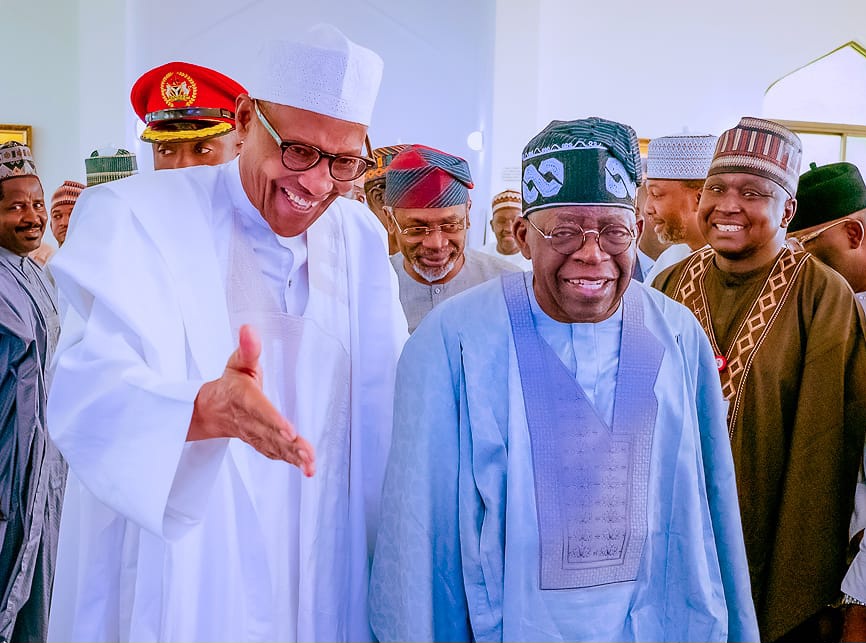
When President Bola Ahmed Tinubu took office on May 29, 2023, he undoubtedly inherited an economy that was struggling under the weight of inflation, debt, and an over-reliance on crude oil revenues. Nigeria, the largest economy in Africa, had been plagued by macroeconomic instability for years, with high unemployment, a weak currency, and rising poverty levels. Tinubu’s supporters argue that he met a broken system, so the current state of the economy can hardly be blamed on him. But does that absolve him of responsibility for the continued deterioration?
Given the foregoing view, permit this writer to examine whether Tinubu’s government is exacerbating the problem and question the basis on which he campaigned and was ultimately elected. In fact, it is important to acknowledge the state of Nigeria’s economy when Tinubu took over. Former President Muhammadu Buhari’s government had been marked by several economic challenges, including dwindling oil revenues due to global price fluctuations, a depreciating naira, and rising inflation. Nigeria’s foreign reserves were under immense pressure, and the country’s debt profile ballooned, particularly with loans from China and other international creditors. Buhari’s administration also faced heavy criticism for poor management of the economy, exacerbated by the COVID-19 pandemic, which worsened an already dire situation. But while Tinubu may have inherited these economic woes, the question remains: is he supposed to worsen them?
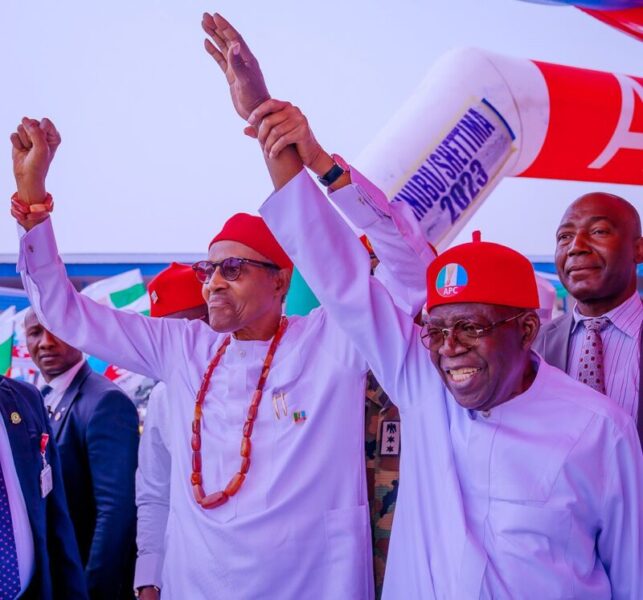
In his campaign leading up to the 2023 presidential election, Tinubu made several promises that inspired hope for many Nigerians. His manifesto, famously titled “Renewed Hope”, was ambitious. He promised economic reforms aimed at creating jobs, improving infrastructure, boosting the power sector, and stabilizing the naira. He also promised to address the pervasive insecurity and corruption plaguing the country, issues directly tied to economic progress.
Most importantly, Tinubu sold himself as a “builder” who had turned around the fortunes of Lagos State as governor between 1999 and 2007. He presented himself as a capable leader who could replicate this success on a national scale. His history in Lagos, where he was credited with improving the state’s infrastructure and boosting its internally generated revenue, endeared him to many Nigerians who believed that he could steer the country out of its economic quagmire.
However, Tinubu’s post-inauguration policies have raised concerns that instead of improving the situation, his government might be making things worse. His administration’s first major economic decision, the removal of fuel subsidies, while necessary in the long term, was implemented with no clear safety net in place for millions of Nigerians already living below the poverty line. The fuel subsidy removal caused an immediate spike in fuel prices, triggering a ripple effect across all sectors of the economy. Transport costs skyrocketed, food prices soared, and many businesses were forced to downsize or shut down, deepening the economic hardship for ordinary Nigerians.
The government did announce a series of palliatives, including cash transfers and promises to improve public transportation, but these measures have been slow to materialize and insufficient to mitigate the shock. As a result, many Nigerians feel they are paying the price for poor economic management without seeing the benefits that were promised.

The inflation rate, which was already high under Buhari, has worsened under Tinubu’s administration. According to the National Bureau of Statistics, inflation in Nigeria hit 25.8% in August 2023, the highest in over two decades. This has further eroded the purchasing power of ordinary citizens, making basic necessities such as food, transportation, and healthcare increasingly unaffordable.
Unemployment remains a major concern, with youth unemployment particularly alarming. While Tinubu promised to create millions of jobs, there has been little visible progress in that direction. Many industries are struggling under the weight of increased operating costs due to inflation, high fuel prices, and a lack of consistent power supply. The closure of businesses, both small and large, has worsened the unemployment crisis, leading to a growing sense of disillusionment among Nigerians, particularly the youth, who had hoped for more from Tinubu’s administration.
Under Tinubu’s leadership, the gap between the wealthy and the poor appears to be widening. The middle class, which serves as the backbone of any thriving economy, is shrinking at an alarming rate. Middle-income earners have been hardest hit by rising inflation, stagnant wages, and a lack of job security. The government’s lack of decisive action on structural economic reforms has further exacerbated this issue, leaving many wondering what became of Tinubu’s promises to revitalize the economy.
While it is true that the economic challenges Tinubu inherited were immense, his policies have not yet provided relief to the masses. Instead, there is a growing perception that the administration is disconnected from the plight of ordinary Nigerians, with many feeling that the government’s focus is on benefiting the political elite rather than addressing the urgent needs of the population.
Tinubu’s supporters argue that he needs time to implement his vision and that reforms often come with initial pain. However, this argument fails to address the key issue: on what basis did Nigerians vote for him?
Tinubu campaigned on a platform of economic reform and renewal. His administration’s current trajectory seems far removed from the vision he sold to the electorate. The argument that he needs more time to fix the economy ignores the fact that, even within a few months, the signs of economic regression are clear. If he was elected to improve the economy, why are things getting worse?
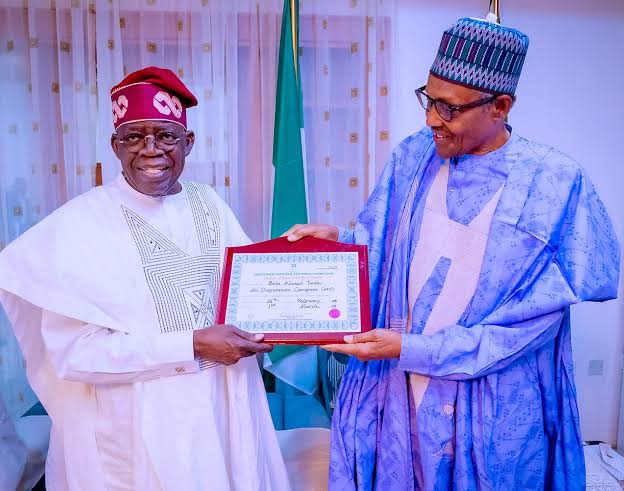
Many Nigerians voted for Tinubu with the expectation that he would provide swift, decisive leadership and that his experience as a former governor of Lagos would translate into immediate economic improvements. But the reality has been far different. It is not just that he inherited a broken economy; it is that his policies have exacerbated the challenges, leaving millions of Nigerians worse off.
To prevent further economic decline, Tinubu must shift focus from politically expedient decisions to those that will have long-term benefits for the Nigerian economy. The fuel subsidy removal was an important first step, but it must be followed by comprehensive reforms in critical sectors such as agriculture, manufacturing, and energy. These reforms should prioritize job creation, infrastructure development, and improving the ease of doing business in Nigeria.
Furthermore, Tinubu must implement more robust social safety nets to cushion the effects of his economic policies on the most vulnerable Nigerians. Cash transfers alone are not enough. The government must invest in public services, such as healthcare and education, while also addressing issues of corruption and inefficiency in the public sector.
In addition, Tinubu’s government must take urgent steps to stabilize the naira. The current monetary policy, which has led to a free-floating currency, has caused severe volatility in the exchange rate, further eroding the purchasing power of Nigerians and contributing to inflation. Stabilizing the naira should be a priority, along with fostering foreign investment and building investor confidence in Nigeria’s economic future.

Yes, President Tinubu inherited a deeply flawed economy, but that was no secret when he campaigned for office. Nigerians voted for him because they believed in his ability to fix these issues, not to exacerbate them. His government needs to reassess its policies and deliver on its promises before the worsening economic situation erodes public trust entirely. The argument that he “met it this way” no longer holds water when millions of Nigerians are grappling with heightened economic hardship.
The clock is ticking, and for Tinubu’s administration, the margin for error is narrowing. Now more than ever, Nigerians are waiting for leadership that will bring the “renewed hope” they were promised.

























You must be logged in to post a comment Login