
Africa
From Daily Fun To An Expensive Project: The Cost Of Commuting And Eating Under Tinubu’s Nigeria, by Isaac Asabor


In the years leading up to President Bola Tinubu’s administration, daily commuting for workers in Nigeria, particularly from Mowe in Ogun State to Ikeja, Lagos, was not just routine but, for many, an experience to look forward to. While navigating the gridlock and chaotic traffic that characterizes Lagos roads has always been challenging, the affordability of public transportation and the simplicity of roadside meals allowed most workers to find some joy in the hustle. Commuting was a manageable affair, and grabbing a quick lunch from roadside vendors or nearby “bukkas” made life easier. However, today, under the Tinubu administration, these seemingly simple activities have transformed into a daily struggle that many now describe as nothing short of a project.
For many residents of Mowe, Ogun State, traveling to work in Lagos, particularly Ikeja, has been a familiar routine. Mowe, a town in Ogun State that is not far from Lagos State, has long been a hub for workers seeking more affordable housing away from the high rent prices within Lagos. The trip from Mowe to Ikeja, once a common and affordable daily commute, offered a sense of productivity, allowing workers to witness the bustling atmosphere of Nigeria’s commercial hub.
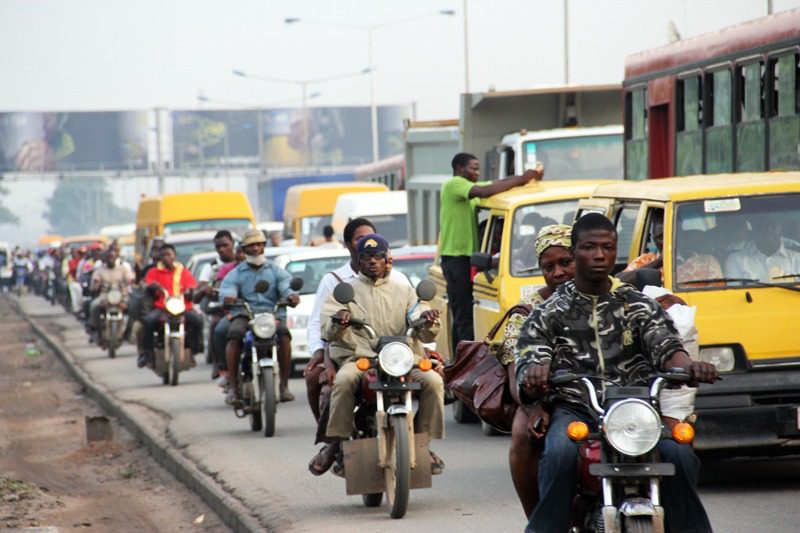
Before Tinubu’s administration, the bus fare for this journey was reasonable. Workers could budget for the trip without breaking the bank, knowing that their monthly earnings could cover transport, food, and other living expenses. Public transportation, while sometimes frustrating due to Lagos’s infamous traffic jams, was reliable and allowed commuters to maintain a decent work-life balance.
The joy of working in Ikeja extended beyond the office. Eating at roadside restaurants or “mama put” was affordable and convenient. A worker could purchase a plate of rice, beans, and fish with a bottle of water or soda for less than ₦1000, giving such worker the energy to return to the day’s tasks without worrying about finances.
On most days, commuting home from Ikeja to Mowe, offered the satisfaction of having conquered another day in Lagos, all within an affordable budget. For many workers, it was a sustainable system as it entails waking up early, head to work, eat affordably, and return home without draining one’s pocket.
The fun and freedom of daily commuting and eating out that once characterized the worker’s experience have been replaced by frustration, anxiety, and financial strain. Under Tinubu’s administration, the rising cost of living has made simple, everyday activities feel like complex projects that require extensive planning and sacrifice.

One of the most significant changes that workers commuting from Mowe to Ikeja have felt is the dramatic increase in transport fares. Before Tinubu’s economic policies kicked in, the cost of traveling from Mowe to Ikeja hovered around ₦500–₦700 per trip. Today, those fares have more than doubled, with many commuters now spending upwards of ₦1,500–₦2,000 for a one-way journey. For a worker on an average salary, this jump is unsustainable.
Worse still, it is not just the increased cost that is concerning, it is the unpredictability. Bus fares have become subject to the whims of fuel price hikes, which skyrocketed following Tinubu’s decision to remove fuel subsidies. Commuters now have to check their wallets daily and make tough decisions about whether to take commercial buses, opt for bike rides (okadas), or use ride-hailing services that have also become exponentially more expensive.
The reality is that workers who once found joy in their daily commute now view it as a financial burden. Many have resorted to cutting back on other basic necessities just to make it to work, creating a ripple effect of economic hardship on their overall quality of life.
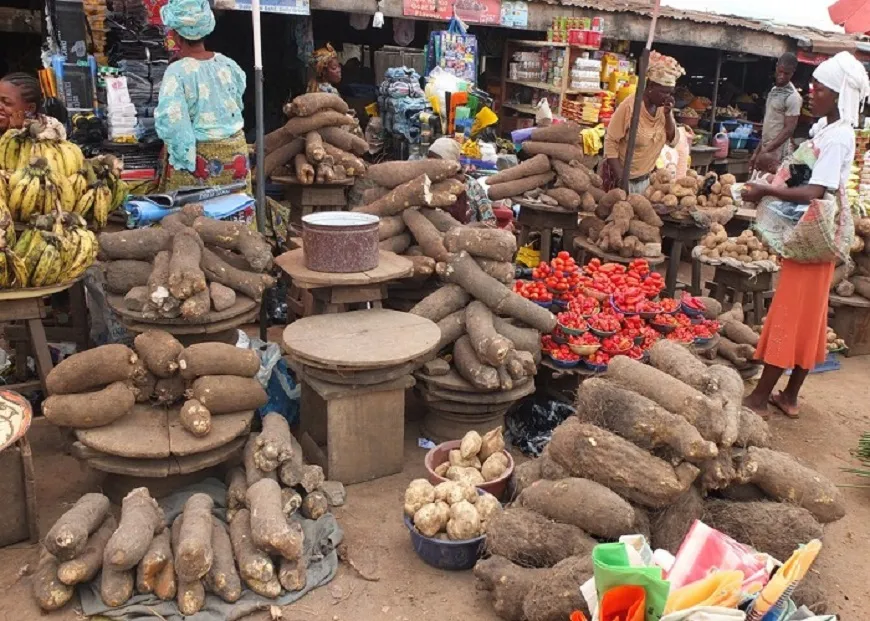
While transport has become a nightmare, eating lunch at work has also taken a toll on workers’ pockets. The roadside restaurants that once offered affordable meals have had to adjust their prices to match the skyrocketing cost of food items in the market. A plate of rice and beans that used to go for ₦500 is now almost ₦1,500, while a simple bowl of amala or eba with stew and meat can set a worker back by ₦1,000 or more.
Many workers now bring meals from home, but even this option is not a complete relief, given the rising costs of groceries. Basic ingredients like rice, beans, garri, and even sachet water have seen alarming price hikes, making home-prepared meals just as expensive. What was once a routine lunch break has now become a moment of stress, where workers mentally calculate how much of their salary will remain after a week of feeding themselves during work hours.
Amidst these skyrocketing costs, perhaps the most frustrating reality for workers is the stagnant nature of their salaries. While the cost of transport and food continues to soar, wages have remained largely unchanged. For a worker earning ₦50,000 to ₦100,000 per month, managing transport fares, food, and other living expenses has become impossible. The situation is so dire that some workers have contemplated changing jobs or even quitting, as they can no longer afford the basic cost of commuting to work.
This salary stagnation is a key contributor to the growing despair among workers. While they understand that the economy is undergoing changes, there is little they can do to shield themselves from the impacts of these changes. Their salaries, which once comfortably sustained their daily routines, now seem like pocket change in the face of inflation and rising prices.
The financial strain caused by high transport fares and food costs under Tinubu’s administration has had a ripple effect on worker productivity and mental well-being. Many workers, particularly those commuting from satellite towns like Mowe, are arriving at work exhausted from long, expensive commutes and are barely able to focus on their tasks.
The mental stress of constantly worrying about how to make ends meet has also taken its toll. The daily struggle to afford basic necessities has left many workers feeling trapped in a cycle of financial instability. For some, the excitement of having a job in Lagos, once seen as a privilege, has turned into a source of anxiety.
Given the foregoing stressful situation which not a few workers now face by each passing day, it is not out of place to opine that as Nigeria grapples with the economic challenges of Tinubu’s administration that the stories of workers commuting from Mowe to Ikeja highlight a broader issue affecting millions across the country. What was once a manageable routine has become a project that drains not only finances but also mental and emotional energy. Workers are feeling the pressure of a system where the cost of living has outpaced their earnings, and the daily activities of commuting and eating have turned into sources of stress rather than joy.
It is clear that without intervention, this situation will continue to worsen, leaving workers with fewer options and more financial hardship. In fact, there is an urgent need for policy changes that address the skyrocketing cost of transport and food, as well as wage adjustments to help workers cope with the rising cost of living. Until then, what was once a daily fun routine will remain an expensive and challenging project for many Nigerian workers.





















You must be logged in to post a comment Login