Africa
Earning In Naira, Spending In Dollars: The Emotional Cost Of A Failing Currency -By Destiny Makpu
Behind humour and casual jokes lies an unspoken understanding that many are living below their potential, not by choice, but by circumstance. Adjusting expectations does not remove disappointment; it simply manages it. People learn to live with less, not because they desire simplicity, but because the economy demands restraint. Over time, this adjustment reshapes identity and self-worth, influencing how individuals see their place in society.

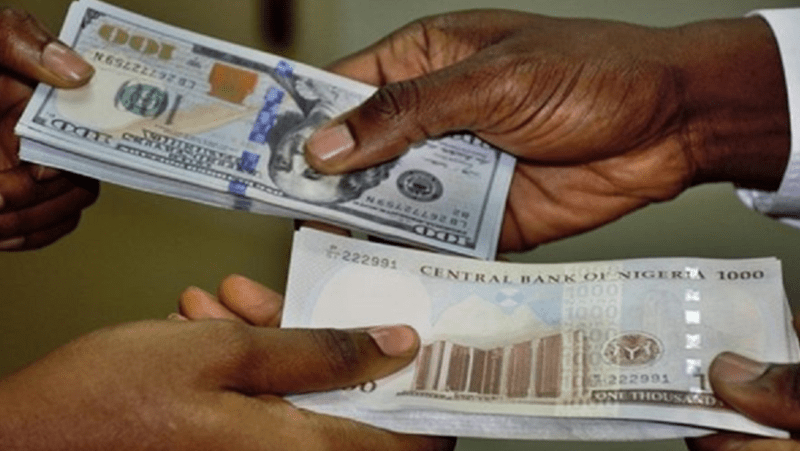
There is a quiet reality many Nigerians have come to accept without ceremony: life has become more expensive, yet income has remained largely unchanged. It is a reality often captured in a simple sentence—we earn in naira, but we spend in dollars. Though casually expressed, it reflects a deeper truth about the present Nigerian economy and how it is lived by ordinary people.
For many Nigerians, the value of the naira is no longer a statistic reserved for business pages or economic discussions. It is something felt daily—in markets, in fuel queues, in school offices, and at kitchen tables. Currency depreciation, once distant and technical, has become personal.
Across the country, workers wake up each morning aware that effort alone no longer guarantees comfort. Salaries arrive, but their purchasing power feels diminished. What once sustained a household now barely stretches through the month. Even when wages are reviewed upward, the relief is often short-lived, overtaken by rising prices.
This reality affects more than finances; it affects morale. When income can no longer secure stability, people begin to question their progress. Hard work starts to feel disconnected from reward. Ambition becomes cautious, and planning shifts from long-term vision to short-term survival.
The struggle is rarely dramatic. It unfolds quietly—in reduced shopping lists, postponed goals, and the careful weighing of every expense.
A Dollar-Driven Cost of Living
Although Nigerians are paid in naira, much of daily life is increasingly shaped by the dollar. Many goods are imported, and even locally produced items are priced with foreign exchange costs in mind. Fuel, food, technology, healthcare, rent, and transportation all reflect global pressures.
This creates a persistent imbalance. Income remains local, but expenses feel international. The result is constant strain on households trying to keep pace with prices that rise independently of their earnings.
For small business owners, this imbalance is especially difficult. Rising input costs shrink margins and disrupt planning. For families, it means continuous adjustment—switching brands, reducing portions, delaying purchases, and redefining what is considered essential.
The Mental Weight of Inflation
Inflation does not only reduce purchasing power; it reshapes behaviour and emotional wellbeing. Market visits now involve anxiety. Prices change frequently, and budgeting becomes a guessing game. Parents negotiate school fees, traders renegotiate costs, and households learn to live with uncertainty.
Over time, this produces a form of economic fatigue—a quiet exhaustion from constantly recalculating and readjusting. It affects how people think about the future. Major life plans are postponed. Progress is measured in small increments. Life is lived one month at a time, sometimes one week at a time.
Social life also changes. Gatherings become fewer, celebrations more modest, and leisure begins to feel like indulgence. Even rest is weighed against responsibility.
Stability as a New Privilege
In today’s Nigeria, stability increasingly feels like privilege. Those with access to foreign-currency income—through remote work, exports, or international ties—appear shielded from the daily shocks many others face. The difference is not necessarily effort, but exposure.
This reality is subtly reshaping how success is defined. The question is no longer only how much do you earn? but what currency do you earn in? Protection now matters as much as progress.
While this shift is understandable, it also highlights how currency instability can quietly divide experiences within the same society.
Adaptation Without Celebration
Nigerians are widely recognised for resilience. People adapt quickly, finding creative ways to cope with difficult conditions. However, adaptation should not be mistaken for satisfaction.
Behind humour and casual jokes lies an unspoken understanding that many are living below their potential, not by choice, but by circumstance. Adjusting expectations does not remove disappointment; it simply manages it.
People learn to live with less, not because they desire simplicity, but because the economy demands restraint. Over time, this adjustment reshapes identity and self-worth, influencing how individuals see their place in society.