Politics
El-Rufai Is Not a Kingmaker, Not Above the Law, and the Limits of Political Power in Nigeria -By Daniel Nduka Okonkwo
Nigeria has witnessed similar confrontations before. Former Imo State Governor Rochas Okorocha was previously arrested following a standoff with security operatives at his residence. Such episodes reinforce the perception that political power struggles and law enforcement actions are often deeply intertwined.

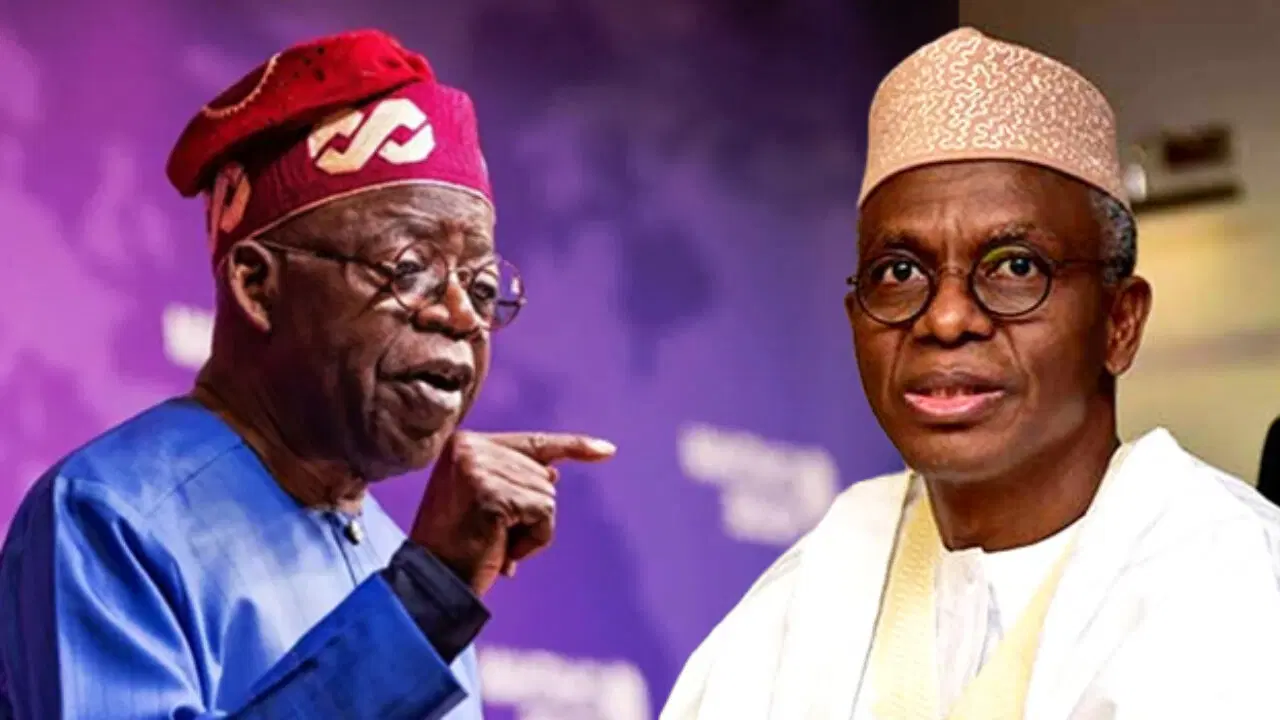
No politician, including Nasir El-Rufai, possesses the power to install or remove a president outside the democratic process. In a constitutional democracy, sovereignty resides with the electorate. Political influence, while real, cannot substitute for the will of the people expressed through free and fair elections.
Nigeria’s political culture has long elevated certain figures to the status of “kingmakers,” individuals perceived to possess extraordinary influence over leadership outcomes. Yet this perception, however popular, does not override constitutional reality. Leadership legitimacy flows from the ballot box, not from personal networks, political bargaining, or elite endorsement.
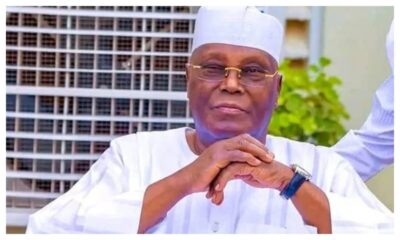
There are many influential politicians with substantial followership who do not present themselves as above the law. Former Vice President Atiku Abubakar recently observed that El-Rufai, having held senior public office, should not be subjected to unnecessary public humiliation. That point underscores an important democratic principle. Public officials, past or present, are entitled to dignity under the law. Equally, however, they remain subject to the same legal and institutional authority as every other citizen.
This balance lies at the heart of constitutional governance. When prominent political figures openly challenge lawful authority, they risk undermining public confidence in democratic institutions. The signal this sends to their supporters can be deeply consequential, particularly in societies where political loyalty often rivals institutional trust.
For many Nigerians, this moment also reflects a broader and familiar pattern. Politicians frequently mobilize citizens during elections, presenting themselves as champions of the people, only to prioritize personal networks and loyalists once power is secured. Political alliances shift rapidly. Today’s adversaries may become tomorrow’s partners. Citizens who invest emotionally and politically in these conflicts often find themselves excluded from the benefits of the power they helped create.
The current tensions should also be viewed within their broader political context. After Bola Ahmed Tinubu assumed office in 2023, he nominated Nasir El-Rufai for a ministerial role. However, the Nigerian Senate did not confirm the nomination. The decision was allegedly linked to security concerns raised during the screening process, according to public reports at the time.
The former Kaduna State governor, Nasir El-Rufai, has said that President Bola Tinubu, not the National Assembly, was responsible for his exclusion from the ministerial list. “The National Assembly had nothing to do with it; the president didn’t want me in his cabinet,” El-Rufai said.
El-Rufai subsequently withdrew from consideration and nominated a former associate as a replacement. Since then, his relationship with the administration has grown increasingly strained, culminating in his public criticism of the government and his declaration of political opposition ahead of the 2027 elections.
These political tensions came to a head on February 12, 2026, when security operatives confronted El-Rufai at the Nnamdi Azikiwe International Airport in Abuja following his return from Cairo. According to reports, operatives of the Department of State Services attempted to detain him, and his passport was temporarily seized. El-Rufai reportedly refused to comply, insisting that any action against him must follow due process, including the presentation of a lawful warrant or formal summons.
The incident quickly escalated into a national controversy. Videos circulated widely, and debate intensified over whether the security agency acted within its legal mandate or exceeded its authority.
The DSS operates under the National Security Agencies Act and is tasked with protecting Nigeria’s internal security. In exceptional circumstances involving urgent national security concerns, it has the legal authority to detain suspects without a warrant. However, these powers exist alongside constitutional guarantees of personal liberty and due process under Nigeria’s 1999 Constitution. The exercise of extraordinary security powers in politically sensitive situations inevitably invites scrutiny, particularly in a democracy where the neutrality of security institutions is essential to public trust.
El-Rufai and his legal representatives condemned the attempted detention as unlawful and politically motivated. He publicly alleged that security agencies were being used to silence opposition figures. The DSS, for its part, denied formally arresting him.
Soon afterward, the Independent Corrupt Practices and Other Related Offences Commission invited El-Rufai for questioning in connection with undisclosed matters. He has indicated his willingness to honor the invitation.
This sequence of events highlights a central tension in Nigeria’s democracy: the intersection of political rivalry, institutional authority, and the rule of law. While security agencies possess legitimate powers to investigate and detain, those powers must be exercised transparently and lawfully to avoid perceptions of political interference.
Nigeria has witnessed similar confrontations before. Former Imo State Governor Rochas Okorocha was previously arrested following a standoff with security operatives at his residence. Such episodes reinforce the perception that political power struggles and law enforcement actions are often deeply intertwined.
Yet the core democratic principle remains unchanged. No individual is above the law. Political prominence does not confer immunity from legal accountability, nor does past service grant exemption from institutional oversight.
Equally important, no individual can claim exclusive authority over Nigeria’s political future. The idea of the kingmaker, while entrenched in political rhetoric, is ultimately constrained by democratic reality. Politicians may influence, persuade, and mobilize, but they cannot decide leadership outcomes without the consent of the electorate.
As El-Rufai prepares to respond to ongoing investigations, Nigerians are watching closely. The outcome will carry implications not only for his personal political trajectory but also for public confidence in the independence of Nigeria’s institutions.
More broadly, the episode serves as a test of Nigeria’s democratic maturity. It raises fundamental questions about the balance between power and accountability, influence and legality, and politics and institutional independence.
Nigeria’s democracy, like all democracies, depends on one enduring principle. The people alone decide who governs them. Political influence may shape debate, but it cannot replace the sovereign will of the electorate.
Daniel Nduka Okonkwo is a Nigerian investigative journalist, publisher of Profiles International Human Rights Advocate, and policy analyst whose work focuses on governance, institutional accountability, and political power. His reporting and analysis have appeared in Sahara Reporters, African Defence Forum, Daily Intel Newspapers, Opinion Nigeria, African Angle, and other international media platforms. He writes from Nigeria. dan.okonkwo.73@gmail.com