
Breaking News
Energy Price Spike Pushes US Inflation to 3.3% Amid Iran Conflict
Inflation in the US climbed to 3.3% year-on-year as rising fuel costs linked to the Iran war hit consumers and strained households.

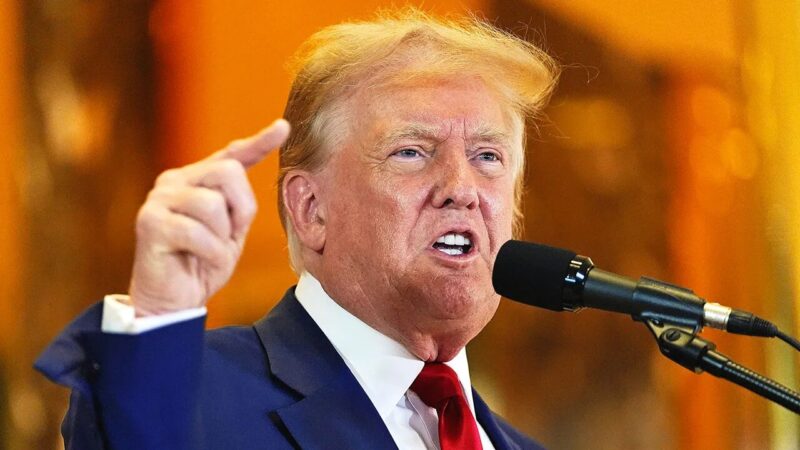
US inflation accelerated in March, official figures showed Wednesday, as a surge in energy prices tied to the Middle East conflict increased the cost of living for Americans.
The development poses a political challenge for President Donald Trump, who has ordered diplomatic talks with Iran ahead of November’s mid-term elections.
The consumer price index rose 3.3 percent year-on-year in March, up from 2.4 percent in February, according to the US Bureau of Labor Statistics.
Fuel costs drove much of the increase, with gasoline prices soaring 21.2 percent month-on-month — the steepest rise since records began in 1967.
Core inflation, which strips out food and energy, inched up to 2.6 percent from 2.5 percent the previous month.
Analysts had broadly expected the rise, based on forecasts compiled by MarketWatch.
The price surge follows military action by the United States and Israel against Iran on February 28. In response, Tehran restricted access to the Strait of Hormuz, a critical global energy corridor.
Although the US is the world’s largest oil producer, domestic consumers were not shielded from the fallout, with average gasoline prices climbing to $4.15 per gallon from around $3 before the war.
Outlook remains uncertain
The Trump administration argues the economic impact will be short-lived.
Vice President JD Vance, departing for talks in Pakistan, said he expected a “positive” outcome from the negotiations.
Still, economists caution that inflationary pressures may intensify, particularly for lower-income households already facing rising travel and energy costs.
Heather Long of Navy Federal Credit Union warned that March’s figures mark a turning point.
“This is only the beginning. Food prices, travel and shipping costs are all going up in April and will exacerbate the pain.”
Christopher Low of FHN Financial echoed that sentiment, highlighting the role of fuel prices.
“March CPI was as expected, so no surprises. But there is a huge increase in fuel prices, boosting inflation,” he told AFP.
“And we got the news last night that the ceasefire is not being honored by either side, apparently. There’s still very little traffic through the Strait of Hormuz.”
When Trump took office again in January 2025, inflation had been on a downward trend from peaks reached in 2022 during the Ukraine war.
By April 2025, it stood at 2.3 percent, around the time new tariffs were introduced on imports. Inflation later ticked up, though US officials rejected any connection to the trade measures.
Prices eased toward the end of the year, helped by relatively stable fuel costs.
However, Federal Reserve Chair Jerome Powell warned in March that the Iran conflict could slow progress toward lowering inflation.
The Fed continues to target a two percent inflation rate — a goal that has remained elusive for five years due to repeated global economic shocks.
Africans Angle News
























You must be logged in to post a comment Login