
Forgotten Dairies
Extremism or Identity: The Issue of Blasphemy -By Fahad Abdullahi
The need is to open long dead jurisprudential debate on the punishment and avenues of pardon in it. The nations which saw violence on the issue should take religious scholars on board to educate people about the pardons by the Prophet on the very issue. This can pave the way to end mob justice and vigilantism on blasphemy, since it is not just an issue of extremism but the ‘self’ of a Muslim.

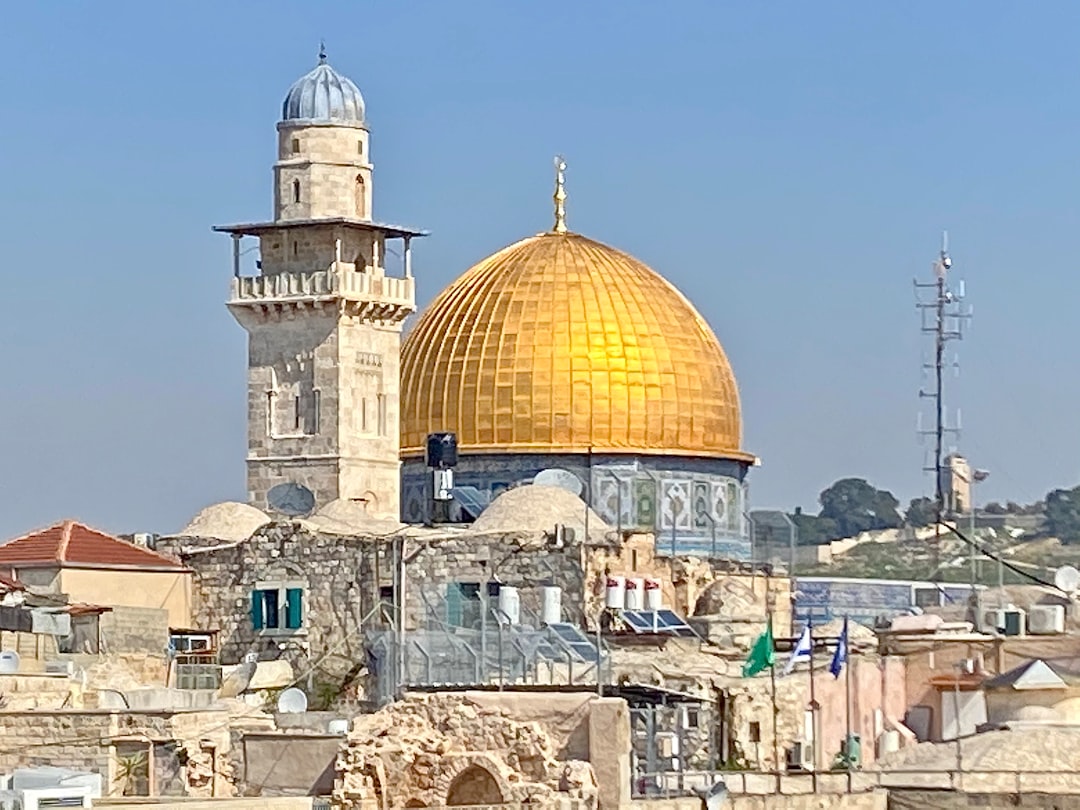
Sensitivity over the issue of blasphemy among Muslims is embedded in identity, instead of extremist behaviour specific to one country or group of Muslims. On December 18, 2025, Dipu Chandra, a 25-year-old garment factory worker, was lynched by a mob on the allegation of blasphemy in Bangladesh. This raised concerns about rising extremism in Bangladesh, especially against Hindus, peddled by radical Islamists and anti-India elements. It was linked to anti-India sentiments that saw a stark rise since the ouster of the pro-Indian former PM of Bangladesh, Haseena Wajid, in August 2024. The deceased is considered a victim of these sentiments, as they spiked with the death of youth leader Sharif Usman Hadi, whose killing was linked to his anti-India stance.
The killing of Dipu does have an anti-India element in it, as Bangladeshi-Hindus are generally considered sympathetic to India, owing to their shared religion with the Indian majority. So it is natural to conclude that the killing of a Hindu is an expression of these hostile sentiments. The reason of killing by the perpetrators, however, requires deeper analysis. The accusation of blasphemy and assault on the accused is neither a new phenomenon nor linked to just Bangladesh. Attacks and assaults over alleged blasphemy saw a sharp rise after the ouster, but several violent incidents also happened in past, including the killing of a mentally challenged 50-year old man named Shahidunnabi Jewel by a mob in October 2020.
The assaults and killings of people over alleged blasphemy are not just limited to Bangladesh, as Pakistan also had many such incidents in recent years. Similar incidents of vigilante justice and mob violence are reported in Nigeria. This establishes that this phenomenon is not limited to a single interpretation or community but is more deeply embedded. Human rights organisations and scholars often attribute this behaviour to the Blasphemy Laws present in these countries, which criminalise blasphemy and encourage people to take violent actions, having precedent in the law. This position, however, fails to take into account the situation in other Muslim countries like Iran and Saudi Arabia, where blasphemy laws exist but no mob violence takes place.
The primary reason such incidents of violence over blasphemy don’t take place in those countries is that they enforce blasphemy laws and persecute people under them. So, their population has trust in the judicial system to punish blasphemers. Incidents of blasphemy violence are most seen in post-colonial states having a weak judicial system, like Pakistan, where people vest less legitimacy in the state and its institutions. This then implies that violence is the only possible outcome of blasphemy among Muslims, whether by the state or individuals. This is indeed the thesis presented by Saba Mehmood, a scholar of anthropology, in her book Is Critique Secular?
Saba used the term ‘religious pain’ and described that the veneration of the Prophet, the Quran and God are internalised in Muslims. Whenever someone criticises or uses derogatory words against them, Muslims perceive it as an attack on their ‘self’, leading to a reaction that at times can be violent. In sociology, this self is the identity of a person that has both internal and social aspects. The internal identity is what a person constructs of himself, while his social identity defines him in relation to others. Islam is not just a set of beliefs but has a particular code of life, which, in its manifestation, creates both a person and a civilisation in which he lives. Thus defining that person’s ‘self’, which includes the veneration in it too.
This view is challenged by other scholars who contest that violent behaviour is not internal to any person and that certain discourses cause it. Hashim Rashid, particularly, challenges this idea and contests that lynching was popularised by the discourse around Ghazi Ilam Din in the subcontinent, where violence over the issue is mostly observed. He argues that the story of Din, in which he killed the blasphemer, was popularised to establish it as a natural reaction for any Muslim. The diverse perspectives and complexities that existed around the story and issue were purposefully suppressed in favour of the dominant discourse.
The reality, however, lies between the two perspectives. Islam does indeed define a person by guiding their moral actions along with beliefs. So, when a Muslim come across a case of true or alleged blasphemy, it is perceived as an issue of him making religious pain an actual phenomenon. It is the reason that secular Muslim nations like Turkiye and Indonesia also have blasphemy laws. The violent reaction and vigilantism are, however, due to the dominant discourse that encompasses the issue. This discourse primarily traces back to the Islamic scholar Ibn Taymiyyah, who made it divisive to be an unpardonable offence despite the precedents of pardon in Islamic sources.
The need is to open long dead jurisprudential debate on the punishment and avenues of pardon in it. The nations which saw violence on the issue should take religious scholars on board to educate people about the pardons by the Prophet on the very issue. This can pave the way to end mob justice and vigilantism on blasphemy, since it is not just an issue of extremism but the ‘self’ of a Muslim.






















You must be logged in to post a comment Login