Breaking News
FAAN Breaks Silence on Uber’s Nigeria Exit, Cites Passenger Safety Concerns
FAAN MD Olubunmi Kuku explains Uber’s Nigeria exit, citing passenger complaints and disputes over driver liability and airport pickup zones.

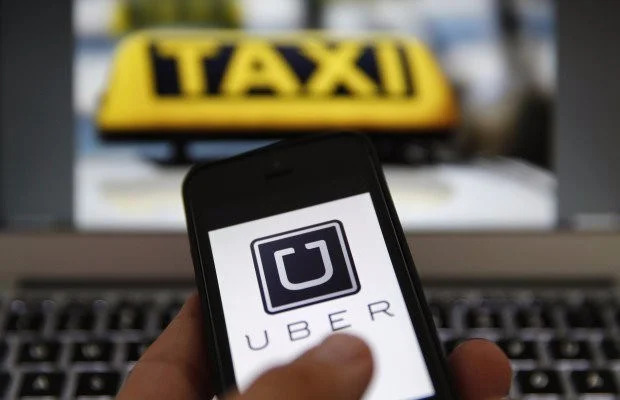
The Federal Airports Authority of Nigeria (FAAN) has said it was not responsible for Uber’s exit from Nigeria, suggesting that the ride-hailing company’s decision was driven by its own economic and regulatory considerations.
Uber discontinued its ride-hailing operations in Nigeria on September 2, 2026, bringing an end to 12 years of service in the country.
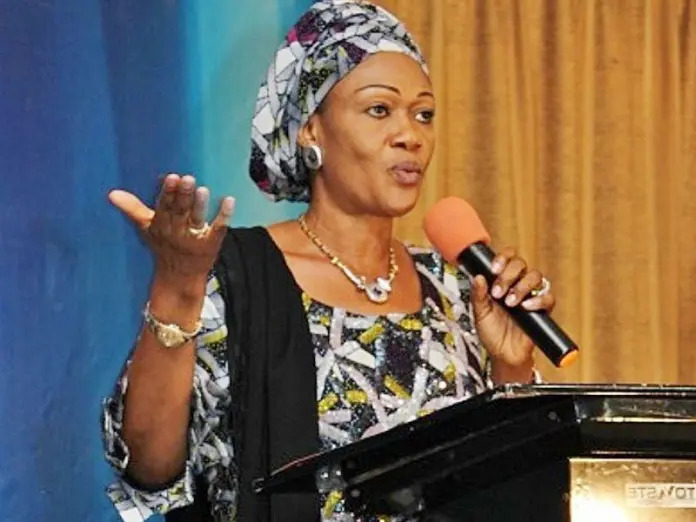
FAAN Managing Director, Mrs Olubunmi Kuku, made the clarification in Lagos while speaking on the sidelines of the second induction ceremony and unveiling of the montage of honourees at the Nigeria Aviation Hall of Fame.
The event was held under the theme, ‘The Next Generation of Aviation Leaders: Talent, Technology and Global Competitiveness’.
Kuku said FAAN had received complaints about the conduct and services of some e-hailing platforms and car-hire operators at Nigerian airports, particularly during the December holiday period.
She said passengers reported incidents ranging from intimidation to being dropped at destinations different from those they had requested.
“In recent weeks, I have seen a lot of information in the media, and I think it is important to clarify it. I work for FAAN, and my responsibility, first, is to ensure that our passengers are safe, they are protected and they have a seamless passenger experience,” she said.
On Uber’s decision to leave the Nigerian market, Kuku said: “For Uber, I can’t speak to their exit from Nigeria. I am sure they have their own economic and regulatory decisions as to why they choose to exit. But a couple of things are very clear. What was important for FAAN is to ensure that we addressed passenger concerns.”
She explained that complaints about e-hailing and car-hire services became particularly prominent during the December holiday rush.
“We did receive a lot of concerns, especially around the December holiday period, about passengers who took some of the e-hailing and even the car hire services, who had very terrible experiences. Some of them went all the way from intimidation to being dropped in other places and even more extreme situations.”
According to the FAAN boss, the authority also observed situations in which some Uber and Bolt drivers allegedly abandoned their vehicles and joined airport car-hire operators to charge higher fares.
“We did have situations where some of the Uber and Bolt drivers would get down from their cars under the guise of coming into the airport as e-hailing drivers, and they would join the car hires to charge higher fares.”
She said the complaints over touting at airports prompted FAAN to introduce greater regulatory oversight of airport car-hire services.
Kuku said the Airport Car Hire Rank Management System (ACHRAMS) was developed to give passengers better visibility of car-hire companies operating at airports.
“The app (Airport Car Hire Rank Management System, ACHRAMS) that was developed was strictly to focus on the fact that you have visibility on who the car hire companies are. FAAN does not collect money on behalf of the drivers. Those car hire drivers are not FAAN drivers. All we do is to give you a sample of the rates based on the destination that you’re going to.”
She noted that airport car-hire services generally charge higher fares because their drivers make return trips to the airport, but stressed that passengers have the freedom to choose their preferred transportation option.
“It is the choice of the passenger whether you want to pre-book your cars, whether you want to use the e-hailing app, or whether you want to use the car hire; we have no jurisdiction over that.”
Kuku said one of the major disagreements between FAAN and e-hailing companies centred on liability for drivers.
“One of the things that we were struggling with the e-hailing companies was largely around liability clauses. So they wanted us to give them dedicated pickup zones, which we agreed to, but we also wanted them to take responsibility for the drivers.”
She said the companies argued that the drivers were independent operators and not direct employees.
“But we were told that those drivers are not the drivers of Uber; rather, they are independent drivers. So, any safety concerns that we had, they wanted the passengers to use the safety features; they did not want to take up that responsibility, and we had a major issue with that.”
Africans Angle News