Forgotten Dairies
Igboho’s Security Crisis: Why Sunday Igboho’s Threats May Deepen Community Tensions -By Isiaq Ibrahim
At this critical moment, Igboho and the wider Orelope community need unity more than division. Community leaders, traditional rulers, Fulani representatives, youth groups, and security agencies must work together to identify the criminals responsible and prevent future attacks. The pain of losing innocent lives is real, and the demand for justice is justified.

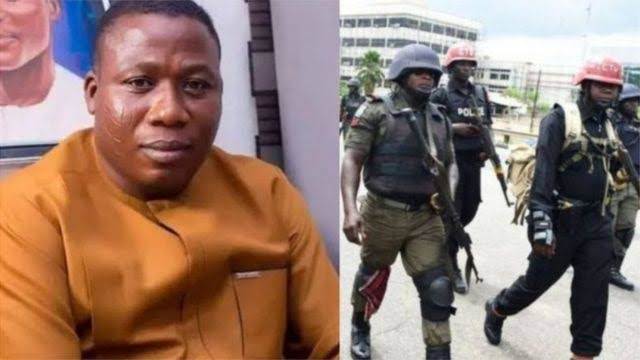
The recent wave of insecurity in Igboho, Orelope Local Government Area of Oyo State, has once again exposed the painful reality faced by many rural communities across Nigeria.
Reports of bandit attacks, kidnappings, and the tragic killing of a pregnant woman alongside a community member who reportedly delivered ransom money have left residents grieving, angry, and demanding immediate action from security agencies.
In response to the worsening security situation, renowned Yoruba self-determination advocate, Sunday Igboho, visited the town on June 20, 2026, where he reportedly issued a stern warning to Fulani leaders and the Divisional Police Officer (DPO), urging them to ensure that those responsible for the attacks are identified and apprehended.
While the frustration behind such warnings is understandable, the danger lies in directing threats toward an entire ethnic group for crimes committed by a few individuals. History has repeatedly shown that collective blame often produces consequences far worse than the original problem.
The overwhelming majority of Fulani residents living in communities across Oyo State are law-abiding citizens engaged in legitimate economic activities. Associating every Fulani person with banditry risks turning innocent people into targets of suspicion, harassment, or violence.
Such actions could deepen ethnic divisions and undermine the peaceful coexistence that many communities have maintained for decades.
Moreover, retaliatory threats may inadvertently strengthen the hands of criminal elements. Bandits thrive in environments where fear, mistrust, and communal tensions are high. When communities become divided along ethnic lines, valuable intelligence-sharing decreases, making it easier for criminals to operate undetected. Innocent people become victims, while the actual perpetrators remain at large.
Recent incidents in other parts of the country have demonstrated how communal tensions can escalate into cycles of revenge attacks. Once violence becomes ethnicized, distinguishing between criminals and innocent civilians becomes increasingly difficult. Communities that seek justice may instead find themselves trapped in prolonged conflict.
The responsibility for addressing insecurity rests primarily with security agencies and government institutions. Residents deserve swift investigations, intelligence-driven operations, and the prosecution of those responsible for these heinous crimes. What they do not need is a situation where innocent citizens become collateral victims of collective suspicion.
At this critical moment, Igboho and the wider Orelope community need unity more than division. Community leaders, traditional rulers, Fulani representatives, youth groups, and security agencies must work together to identify the criminals responsible and prevent future attacks. The pain of losing innocent lives is real, and the demand for justice is justified.
However, justice must be directed at the guilty, not at an entire ethnic group. Security built on collective blame is fragile and dangerous; security built on evidence, cooperation, and the rule of law is far more likely to bring lasting peace to Igboho and its surrounding communities.