
Global Issues
Heatwaves Are Killing Human Rights: Who Will Stop the Climate Killers? -By Fransiscus Nanga Roka
Climate scientists define extreme heatwaves as avoidable humanitarian crises driven by political choices instead of natural disasters. As long as we close our eyes to the crushing devastation of this planetary fever on human rights, lives will be lost in their millions, social inequalities will widen and with them, dreams of health, water and sanitation as a universal right will blossom no more under the burning sun. It is time to face the climate killers causing this crisis. Who will step up to save mankind from the heat?

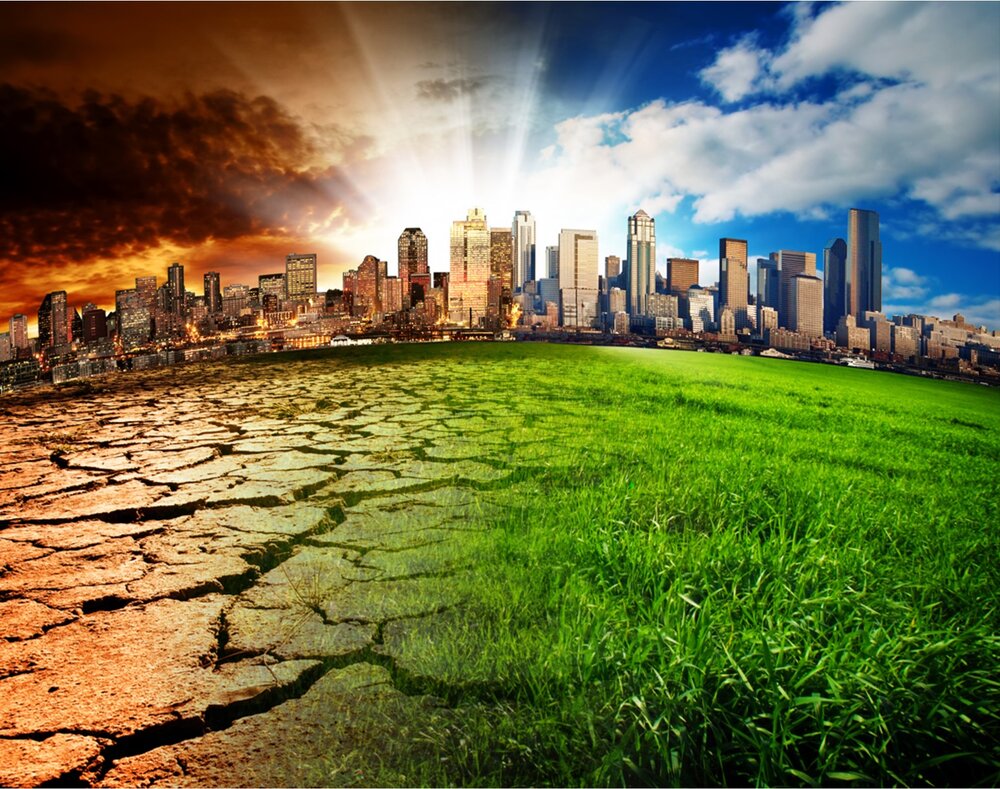
UNICEF calls on the international community to take urgent action: Extreme heatwaves are no longer just an environmental problem. They have now reached a global human rights emergency. The savagery of increasingly hot climate kills people, destroys ecosystems, dismantles admittance to clean water and undermines the absolute bases of wellbeing and home. But these deadly heatwaves also reveal a far more profound, systemic failing: the global failure to address climate justice, public health and political responsibility as interconnected struggles.
Record shattering heatwaves, sometimes at temperatures beyond human tolerance levels are causing deadly heat strokes and respiratory distress leading to mass casualties. These are not merely individual tragedies; these are collective catastrophes. Temperatures soar beyond 40°C (104°F) in much of the world, with heatstroke raising body temperatures to lethal levels and symptoms including dizziness, breathlessness but also organ failure and death.
The informal workers, farm laborers, construction workers and motorcycle taxi drivers who are always the most vulnerable, have to spend time in the sweltering heat because they need money. The end result: no legal protections or access to healthcare, coupled with an agonizing choice for these workers: either risk severe heat exposure or lose their livelihoods and means to survive.
In contrast, urban poor communities without affordable electricity or air conditioning appliances have remained to suffer extreme indoor heat. The inconsistent accessibility to cooling technology provides a grim message, heatwaves are also an equal rights crisis. The marginalised have been priced out of thermal protection.
Droughts worsen with the extreme heat that saps groundwater and surface water resources in a merciless fashion. Elastic Protect is helping secure access to safe and clean drinking water for hundreds or possibly thousands, if not millions of people around the globe. Shortages in public sanitation facilities collapse and generate public outbreaks of waterborne disease offering deadly consequences to entire communities.
This multi level crisis not only threatens essential human rights to health, water and sanitation established in international law. The right to a dignified life also evaporates when the water is depleted, which contributes to health epidemics and society unrest.
And the answer is this crisis, at the root of it is political inertia, corporate greed. As fossil fuel corporations combined with state support and lax rules are remorselessly pressing ahead with fuelling the climate emergency (see below), Amnesty International and other human rights monitors have pointed to the dangerous implications of this exploitation. Profit motives triumph over planetary and human wellbeing, essentially chaining societies to horrific emissions that will lay vulnerable populations further at risk.
A global scale human rights emergency is a turning point to the reality of extreme heat, governments must act now and decisively. The senseless destruction of life and place wrought by ceaseless heat waves is not just an environmental frailty, but a direct violation of the rights to health, water, and to a dignified existence. As a result governments need to clearly define extreme heat as a human rights crisis, and seek to create national action plans that holistically manage the protection of their citizens, particularly the most disadvantaged.
Governments should first invest decisively in climate-resilient public services. This starts by developing and deploying high-precision heat early-warning systems capable of predicting imminent extreme temperature rises so that communities and authorities can be prepared. And, in parallel to such systems, there needs to be cooling centers available for vulnerable populations, particularly in cities and historically, disadvantaged areas where indoor heat exposure is untenable without air conditioning. These centers are critical for providing emergency refuge and life-saving assistance when the hottest temperatures hit. This should be complemented at the community level by outreach programs, trained to prevent, recognizing and treating heat illnesses. Frontline health workers should actively approach vulnerable groups belonging to them, such as the elderly, children and outdoor laborers, provide heat stress prevention education and offer treatment.
Providing equitable water opportunities is another cornerstone of a successful response; These curbs can include preventing over extraction and pollution at key water basins by enforcing regulations. Promote sustainable water management techniques, such as rainwater harvesting, groundwater recharge and efficient absorption approaches. Water policies must target poor, vulnerable people who suffer the greatest scarcity and create minimum standards for access to adequate clean water for drinking, sanitation, and hygiene. This is crucial to contain the proliferation of diarrheal diseases that in this way become endemic in drought and heat crises.
It is a moral and legal responsibility to protect informal and outdoor workers from extreme heat exposure. Working Hourspeak heat periods; provision of shaded rest areas and ready access to safe drinking water. If enforced these measures can relieve heat stress for millions who would otherwise have to continue working. Governments need to work with employer and labor organizations in order to monitor conditions and ensure compliance.
Phasing fossil fuel out of the energy system is a systemic, long-range solution to extreme heat because it addresses its underlying driver: climate change. Part of a just energy transition is to end subsidies that keep carbon intensive industries afloat, and hold corporations accountable for their emissions and human rights impacts. Investments should target scaling renewable energy infrastructure in places where the needs are greatest, especially on coastal peripheries and in drought-prone, more vulnerable areas of countries such as India and China; further developing robust electricity systems can better meet increased cooling capacity requirements and facilitate economic development while prioritizing low-emission sources.
Last but not least, climate governance needs to become transparent and equitable and anchored in human rights. Governments must involve marginalized communities in participatory policy-making processes that make climate action plans accountable to the affected. To avoid tackling existing injustices while building resilience for all, policies must be explicitly rooted in some recognition of social justice. Ensuring such inclusive governance is which will lead to sustainable, just and effective climate solutions.
In a nutshell, reversing the tide of this climate collision will require governments to take bold action across sectors, from protecting public health and ensuring water security to implementing labour protections energy transformation, and building justice in governance. These coordinated efforts are key, not only to saving lives today but also to ensuring the human rights of people today and generations to come in a world which is becoming increasingly unlivable.
Climate scientists define extreme heatwaves as avoidable humanitarian crises driven by political choices instead of natural disasters. As long as we close our eyes to the crushing devastation of this planetary fever on human rights, lives will be lost in their millions, social inequalities will widen and with them, dreams of health, water and sanitation as a universal right will blossom no more under the burning sun. It is time to face the climate killers causing this crisis. Who will step up to save mankind from the heat?
Fransiscus Nanga Roka
Faculty of Law University 17 August 1945 Surabaya and Managing Partner Law Firm Victorious Indonesia























You must be logged in to post a comment Login