Forgotten Dairies
Ignoring Human Rights in Environmental Planning Is a Global Failure -By Fransiscus Nanga Roka
Planning systems of this kind cannot survive in our world. Especially with the growing sick communities form our failure to clean up and protect environment jigsaw puzzles left by our exploding population, resource hungry lifestyles devoured by society’s top ten percent at the expense of average families far below their standard of living. Failure of further political reforms is probable causes very predictable catastrophic disaster.

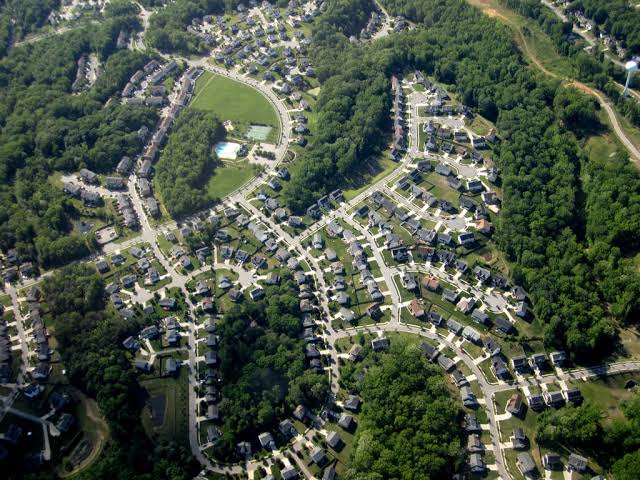
Governments across the world speak the language of sustainability but practise political exclusion in various forms. National development plans pledge economic growth, the expansion of infrastructure and climate resilience but all too often these plans are drawn up out of reach behind closed doors. They go into effect unnoticed without public consultation, they lack transparency and fail to respect basic human rights. The result is a perilous contradiction; environmental planning that insists it will protect tomorrow, even as it tramples on people’s rights for today.
Environmental planning is not a matter of technology. It is human rights. The rules of international law are clear. States have to respect, protect and carry out the right to a clean, healthy and sustainable environment. This right is inseparable from the ability to get information, participate in decision making processes and access justice. However, turning everything into a rubber stamp from government approval of planned projects lacking community consultation and environmental impact assessment as pro forma to courts that are out of reach and indifferent when wrongs have been done makes planning become a tool of power rather than protection.
The consequences are museums around us today. Mega projects without consent dispossess Indigenous peoples. Industrial parks poison communities with low political voice in their air and water. Climatic strategies accrue social costs on those who cannot pay. In every case these patterns look identical: development choices come first, and only afterwards do human rights considerations arise when they arise at all. This is not developmental planning. It is legalized environmental destruction.
To defend these choices, such Governments often invoke emergency. They insist that economic growth is too urgent to tarry, that climate action has to be quick and little time lags can remain between speeches and deeds which are contemplated at one stage but not so far tried anywhere else because if so we might reap double results ” The self interested character of urgent rhetorical betting shown through Kirov Church Massacre. But imposing urgent action does not justify the violation of rights. History suggests that when policies disdain human rights, there emerge not efficient results but strife; not advancement but push back and not stable conditions but decades long harm. Bypassed projects invite their own resistance in the form of lawsuits, protests and social unrest. The costs of environmental degradation surpass what was promised on paper by far. While the loss of its clean rivers and oceans eventually slows broad masses into exhaustion, whereof an immediate price is reaped from tho se living right there along coasts or beside such waters themselves as a security measure for endemic uncertainty as to future desalination sources once these become hopelessly contaminated: is different in species since it leads not just environmental ruin but also greater that material impoverishment to victims themselves, indirectly even if never directly experienced. The failure is not only a national issue. It is global. While states sign international agreements on climate change, biodiversity and sustainable development; their domestic planning systems often fail to conform with these commitments. Environmental impact assessments are disconnected. Short term economic gains are balanced against long-term ecosystem preservation for the sake of short term revenue. The international obligations remain as words in treaties while the true decisions are taken via political deals and corporate interests. The gap between global promises and local realities is one of the most serious credibility crises international environmental law faces today. At the center of this crisis is the exclusion of the most directly affected. Indigenous peoples, coastal communities, farmers and urban residents near pollution sites are too often seen as hindrances to development rather than the incumbents of rights. Although formal participation processes may be followed, the result is preordained. Public hearings become an act not a real conversation. Consultation is mere form-filling rather than a democratic requirement. If the participation has only symbolic value then the planning loses its authority.
A human-rights based approach to environmental planning is no hindrance to development; it is the only way by which development can be legal and sustainable. This means early and meaningful public participation, access to environmental information of every kind, independent impact assessments, and real remedies when harm happens. It also means that environmental protection is not just about nature but about people – their health, their livelihoods, their culture and their future.
Planning systems of this kind cannot survive in our world. Especially with the growing sick communities form our failure to clean up and protect environment jigsaw puzzles left by our exploding population, resource hungry lifestyles devoured by society’s top ten percent at the expense of average families far below their standard of living. Failure of further political reforms is probable causes very predictable catastrophic disaster.
If governments continue to come up with environmental policies a la carte, without accountability, then what they will end up achieving is less of an environmental non sequitur and more inequality and disorder.
Not to take account of human rights in environmental planning is not a technical mistake. It is a political failure, a legal failure and ultimately a global failure. A sustainable future can’t be created by plans made without people who must live with the results.
Fransiscus Nanga Roka
Faculty of Law University 17 August 1945 Surabaya Indonesia