
Forgotten Dairies
No Toll, No Threat, No Iran Blockade: The Case for Total Military Action -By Fransiscus Nanga Roka
Do not bar us from sailing. Don ‘t block our way. The world cannot pay purely to pass through international waters. That much is clear from a look at the map. And the world economy simply could not rollover and play dead each time someone threatened a clamorous blockade. All the same, one cannot live in a vacuum, diplomatic measures having been exhausted. If diplomacy aborts, you must choose to endowed power in case Chan says lost to nature No toll. No threat. No Iran blockade. If the coalition wishes to keep the Strait of Hormuz open, it needs to act as it has in history, strenuously and jointly and if necessary with military force.

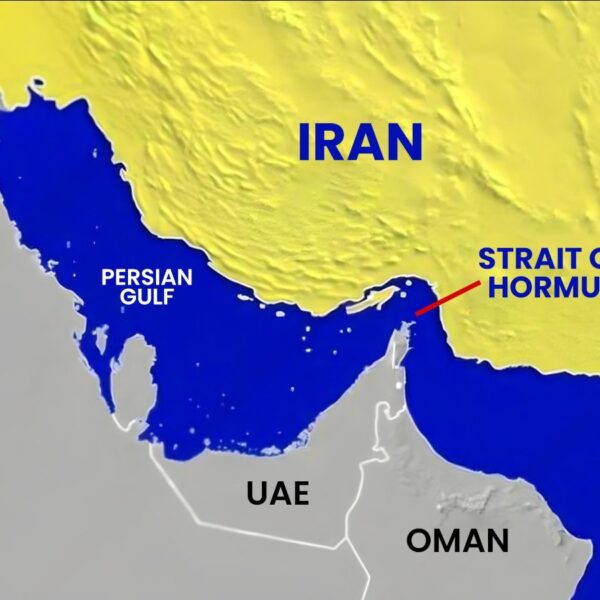
The Strait of Hormuz is no mere waterway, it is the world’s most vital energy chokepoint, a lifeline for much of its oil and natural gas supplies as well connecting half of the global market through Persian Gulf routes. When that channel is threatened, the whole international economic system starts bleeding. Analysts estimate that stoppage at Hormuz could cut more than 13 million barrels daily out of world supplies. The result would be price shocks and geostrategic instability far exceeding anything experienced thus far in the 21st century.
Now the confrontation has moved from diplomacy to other levels. Allegations that Iran has limited passage, forced boats to pass through with tolls and even forced some shipping companies to pay for their ships resting in Iranian waters have turned one of the world’s major strategic waterways into what critics call a geo-political pay station.
According to reports, a number of vessels have paid exorbitant charges simply to sail through the strait in security. Others have been barred altogether.This is not regulation. This is coercion. And coercion at the world’s pre eminent energy chokepoint is unacceptable without consequence.
As the single most important maritime corridor for modern civilization, the Strait of Hormuz carries about one-fifth of world oil consumption. But it is not a local quarrel for one country to dabble arbitrarily in the passage. That is to attack the global economy itself. On this one fundamental point, international law is clear: the freedom of navigation in international straits shall be preserved. A power which takes that principle as a bargaining chip moves the problem from legal to strategic.Strategy inevitably entails the use of force.
Efforts have been made by the international community over the past few decades to use sanctions, talks, and treaties to contain every one of Iran’s new maritime pressure tactics. None has resulted in lasting stability. Instead, it is a familiar picture of more repeating patterns escalation, threat, constraint, dialogue and then one crisis after another.
The present situation, however, is different.
At stake this time is world energy security, world inflation and the image of the international order itself. If any country is allowed to levy multimillion dollar tolls or even to blockade the Straits of Hormuz as it pleases, the message that goes out is a dangerous one. The message is that enough control over geography is sufficient control to rule the world.
The calls to take decisive military action aren’t about revenge or ideology. They’re about deterrence. Say that the U.S., Israel, and the UK can’t maintain open navigation for ships in Hormuz: and every other chokepoint in the world would be at risk, from the Red Sea to the South China Sea. The example made by this would be dire. Historically, coalitions form as a counteraction when strategic routes are threatened. Not because they want war, but because not doing so will mean an indefinite standoff. A limited war won’t solve the problem. Breathoarding won’t solve the problem. Negotiations under blockade won’t solve the problem. Only decisive operations that end the threat to the strait can bring long term stability.
Total military action could kindle a broader regional war, warn critics. That danger actually exists. But the prospect of imposing a permanent blockade, levy or special access system on the world’s foremost conduit of energy may be giving rise to even greater risks. Markets plunge. Alliances crumble. Smaller states lose faith in international protection. And once coercion proves successful, it is sure to be employed again. Predictable rules are needed for the international order to survive. And the Strait of Hormuz can never become a place where those rules no longer operate.
Do not bar us from sailing. Don ‘t block our way. The world cannot pay purely to pass through international waters. That much is clear from a look at the map. And the world economy simply could not rollover and play dead each time someone threatened a clamorous blockade. All the same, one cannot live in a vacuum, diplomatic measures having been exhausted. If diplomacy aborts, you must choose to endowed power in case Chan says lost to nature No toll. No threat. No Iran blockade. If the coalition wishes to keep the Strait of Hormuz open, it needs to act as it has in history, strenuously and jointly and if necessary with military force.
Fransiscus Nanga Roka
Faculty of Law University 17 August 1945 Surabaya Indonesia




















You must be logged in to post a comment Login