
Forgotten Dairies
Nigeria’s Democracy And The Metamorphosis Of Parties Into Millionaires’ Clubs -By Isaac Asabor
Democracy is not a private enterprise. Leadership is not a commodity. The health of the nation depends on opening political spaces to those with ideas, vision, and dedication, not only those with deep pockets. This includes creating mechanisms that support grassroots engagement, empower underrepresented groups, and encourage youth participation beyond symbolic discounts.

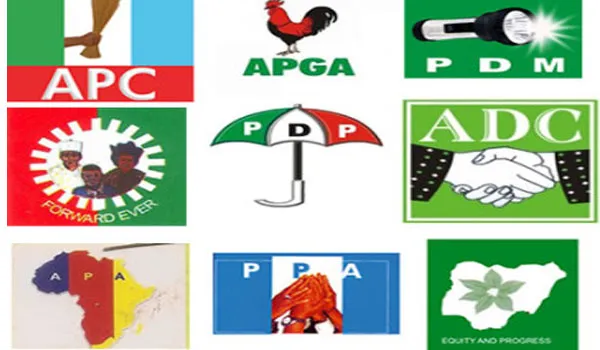
Nigeria’s democracy is facing a transformation that is both alarming and largely underexamined: political parties, once intended to be platforms for representation and public service, are increasingly becoming exclusive clubs for the wealthy. The latest developments within the ruling All Progressives Congress (APC) ahead of the 2027 general elections make this trend painfully clear.
The party has officially opened the sale of nomination forms, with figures that are staggering: ₦100 million for the presidential ticket, ₦50 million for governorship, ₦20 million for Senate, ₦10 million for House of Representatives, and ₦2 million for State Assembly seats. For perspective, millions of Nigerians survive on less than ₦1,000 per day. The cost of merely aspiring to lead is now not just prohibitive, it is exclusionary.
The APC began selling these forms on February 3, 2026, with an online submission process. On the surface, this appears modern and efficient. But it is a more sophisticated storefront for a deeply flawed system: a system that privileges wealth over competence, influence over integrity.
Even more striking is the reported purchase of a ₦100 million presidential nomination form for President Bola Ahmed Tinubu by Kogi State youths as far back as January 25, 2026. While this was framed as a gesture of support, it underscores a harsh truth: political office in Nigeria is increasingly treated as a financial project, accessible primarily to the rich or those connected to them.
The party insists that its ticket remains open to all qualified aspirants. Technically, that is true. Practically, it is hollow: how many ordinary Nigerians, regardless of their ideas or competence, could realistically afford such an entry fee? The so-called openness masks a system where competition is limited to the financially privileged few.
Ostensibly to soften criticism, the APC has introduced concessions: women, youths under 40, and persons with disabilities are required to pay only for the expression of interest form and receive a 50% discount on nomination fees. While this appears progressive, the reality is different. A 50% discount on a ₦100 million presidential form still amounts to tens of millions of naira, well beyond the reach of most Nigerians. Symbolic gestures of inclusion cannot substitute for meaningful accessibility.
The fundamental problem is that political participation in Nigeria has become commoditized. The system privileges financial capacity over ideas, vision, and commitment to service. Politics is no longer about shaping the future; it is about purchasing a chance to profit from it. Even the “discounts” offered do little to open the space for broad, meaningful participation.
When politics becomes this expensive, the character of governance inevitably changes. Aspirants who spend, or are backed by interests that spend, tens or hundreds of millions to secure a nomination will approach office as an investment, not a duty. Recovering costs, rewarding sponsors, and sustaining patronage networks become priorities over public service
This is how corruption becomes structural rather than incidental. Inflated contracts, politically motivated appointments, and skewed policies are predictable consequences of a system where political participation is measured in naira rather than competence. The stakes are no longer about serving citizens, they are about recovering the enormous sums spent to gain office.
At the other end of the spectrum lies the Nigerian voter, many of whom live in poverty. The monetization of politics at the top inevitably trickles down in the form of vote buying, inducements, and other transactional incentives. When politicians spend millions on winning, there is pressure to recoup those funds, creating an environment in which elections become transactional rather than reflective of popular choice.
This dual monetization, at the top for candidates, at the bottom for voters, creates a vicious cycle. Power is concentrated among the wealthy, while ordinary citizens navigate a system that offers little genuine representation. It also fosters cynicism and disengagement, eroding faith in democratic institutions.
Perhaps the most worrying consequence of these developments is the message it sends to young Nigerians. A population that holds immense potential for innovation, leadership, and reform is effectively barred from political participation. Even with nominal discounts for youth aspirants, the barriers remain so steep that the next generation of leaders is largely excluded from shaping the country’s future.
By turning political parties into millionaires’ clubs, Nigeria is sending a clear signal: political ambition requires wealth, not vision. And when wealth, rather than competence or ideas, determines leadership, the country risks stagnation and the recycling of leaders who prioritize personal or sponsor interests over public good.
While the APC’s nomination fees have drawn the most attention, this is not an isolated case. Across Nigeria, political parties increasingly rely on high nomination fees and other financial gatekeeping mechanisms. From governorship races to legislative contests, the pattern is clear: access to political office is increasingly tied to access to money.
This is a structural problem requiring systemic solutions. Civil society, regulatory bodies, political parties, and the electorate all have roles to play. Reform is possible, but it requires a collective commitment to make political participation accessible, transparent, and merit-based. Limiting the influence of wealth in politics is not just a moral imperative; it is a necessity for functional democracy.
Nigeria cannot allow its democracy to be defined by wealth alone. Political parties must lower financial barriers, explore alternative funding mechanisms, and prioritize competence over capital. Regulatory frameworks should be strengthened to prevent excessive fees from undermining fairness and competitiveness.
Democracy is not a private enterprise. Leadership is not a commodity. The health of the nation depends on opening political spaces to those with ideas, vision, and dedication, not only those with deep pockets. This includes creating mechanisms that support grassroots engagement, empower underrepresented groups, and encourage youth participation beyond symbolic discounts.
Nigeria’s political parties are at a crossroads. The metamorphosis into millionaire’s clubs is not merely inadvisable, it is dangerous. It erodes fairness, limits participation, distorts governance, and sends the wrong message to the country’s youth.
The choice is stark: continue down this path and risk a democracy that serves only the wealthy, or reclaim the essence of participatory governance and make political opportunity accessible to all. Leadership in Nigeria should not be an auction, it should be a trust, earned through vision, integrity, and service.
The next decade will test whether Nigeria’s democracy can survive as a system for the people, or whether it will be defined exclusively by the capacity of the rich to buy influence. If political parties continue on this path, the voice of ordinary Nigerians, the majority, will be drowned out by the currency of the few.





















You must be logged in to post a comment Login