Connect with us

Breaking News

Inside the Strait of Hormuz Crisis: Shipping Collapses as War Tightens Grip

Traffic in the Strait of Hormuz collapses as Iran restricts access, with just 158 crossings recorded and over 40% involving sanctioned vessels.

Published

on

Iran

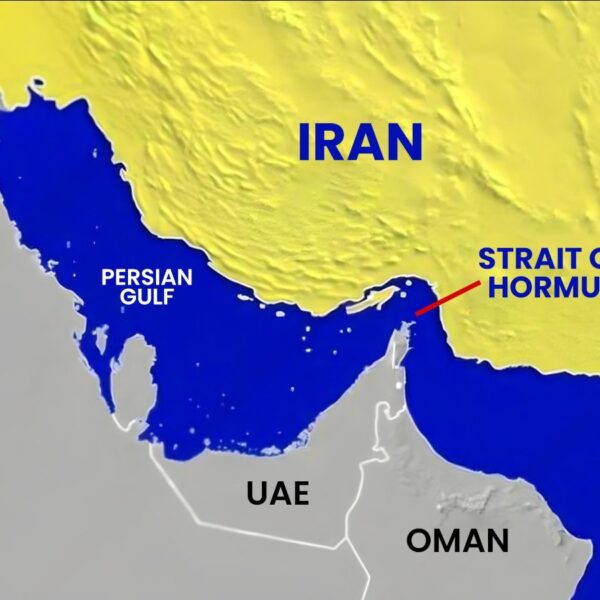
The Strait of Hormuz—one of the world’s most critical energy corridors—has been nearly paralysed, with maritime traffic collapsing under the strain of escalating conflict in the Middle East.

Under normal circumstances, the narrow passage handles about 20 percent of global oil and LNG flows. But since February 28, when the United States and Israel began bombing Iran, the region has descended into a cycle of retaliation and disruption.

Tehran’s response has included tight restrictions on access to the strait, effectively reshaping shipping patterns.

A Narrow ‘Tehran Toll Booth’ Emerges

Most vessels still attempting the crossing are now funneled through a limited corridor near Larak Island, informally dubbed the “Tehran toll booth” by Lloyd’s List.

More than 26 ships—primarily Greek- and Chinese-owned, alongside Indian, Pakistani and Syrian vessels—have been tracked using this route.

Advertisement

Since mid-March, no ships have been recorded using the traditional passage outside the corridor.

Traffic Plunges, Risk Rises

The scale of disruption is stark. Daily crossings, which usually average about 120, have dwindled to a fraction of that.

From March 1 to 26, only 158 crossings were logged—a 95 percent drop, according to Kpler. Just two ships were seen heading west on Thursday, both carrying corn to Iran.

Meanwhile, security risks remain high. The UKMTO reports 24 incidents involving commercial vessels since early March, though none have been recorded since the Phoenix explosion in Emirati waters on Sunday.

Some attacks claimed by Iranian forces have yet to be independently confirmed.

Advertisement

Human and Strategic Costs

The human toll is mounting. The International Maritime Organization says at least eight maritime workers have died, with others missing or injured, and roughly 20,000 seafarers affected.

At the same time, sanctioned vessels are playing an outsized role in the limited traffic that continues. According to AFP data, more than 43 percent of crossings involve ships under US, EU or UK sanctions—rising to 56 percent among oil and gas carriers.

Despite reduced movement through the strait, over 2,000 vessels—including nearly 300 tankers—remain active in surrounding Gulf waters, highlighting the ongoing strategic importance of the chokepoint even amid disruption.

Africans Angle News


Advertisement
Continue Reading
Advertisement
Click to comment

Leave a Reply

Your email address will not be published. Required fields are marked *

Trending Contents

Topical Issues

Forgotten Dairies4 hours ago

U.S.-Israeli War on Iran: Africa’s Reactions Through the Prism of the Global South -By Kestér Kenn Klomegâh

Africa's reactions to the war are primarily through the prism of the Global South, viewing Iran as resisting American-Israeli hegemonic...

Sultan of Sokoto Sultan of Sokoto
Breaking News5 hours ago

Sultan of Sokoto Elevates Danbaba and 26 District Heads to Strengthen Governance

Alhaji Ahmed Bello Danbaba was turbaned Senior Councillor alongside 26 district heads in Sokoto, with the Sultan urging fairness, integrity,...

Damian Oforbuike, killed his mother Ebonyi State Damian Oforbuike, killed his mother Ebonyi State
Breaking News5 hours ago

Ebonyi Man Remanded After Allegedly Killing Mother Over Dispute

Oforbuike Damian is remanded by a Magistrate Court in Ebonyi after allegedly stabbing his mother to death following a dispute....

EL-Rufai EL-Rufai
Breaking News6 hours ago

Dalung Faults El-Rufai’s Surrender, Calls It ‘Greatest Mistake’ Ahead of Trial

Former minister Solomon Dalung says El-Rufai erred by surrendering, as the ex-Kaduna governor faces ICPC charges over alleged N579.7m severance...

Chris Ebia Chris Ebia
Forgotten Dairies7 hours ago

“Nothing Can Be Done?”-Tell That to Kainji, Shiroro and Every Engineer -By Engr. Chris Ebia

What must change is not the science. What must change is the decision to act. Because the moment we accept...

ISAAC ASABOR ISAAC ASABOR
Forgotten Dairies7 hours ago

Why Nigeria’s Corruption Crisis Is More Complicated Than We Admit -By Isaac Asabor

If Nigeria is to break free from this cycle, the conversation must evolve. It is not enough to demand that...

Seriake Dickson Seriake Dickson
Forgotten Dairies12 hours ago

Seriake Dickson, The Man And His Principle-centered Politics -By Hajia Hadiza Mohammed

The party will prioritize national security, economic reforms, devolution of power and true federalism. The NDC according to the National...

Indonesia Indonesia
Forgotten Dairies12 hours ago

The Indonesian Version Of The Welfare State -By Tomy Michael

The welfare state ultimately guides society to care for itself and the life around it. The Indonesian version of the...

National Issues12 hours ago

Ola Olukoyede Says No More: Robert Orya, Chukwunyere Nwabuoku, Abubakar Malami, and Aisha Achimugu as Proof That the Era of Delay, Influence, and Legal Games Is Ending -By Prof John Egbeazien Oshodi

Nigeria’s judiciary has faced years of criticism, and much of it has been justified. Delay, inconsistency, and lack of transparency...

Tinubu Tinubu
Breaking News16 hours ago

Niger Delta Leaders Demand Decentralisation of Pipeline Surveillance Contract

Niger Delta leaders demand decentralisation of pipeline surveillance contracts, citing low oil production, unemployment, and regional imbalance.