Forgotten Dairies
Men & Society: Not Every Cut Bleeds and not Every Injury Leaves a Scar –By Uzoma Ahamefule
For the sake of our society’s sanity, we must collectively address these issues with the required urgency within our capacities. Taking objective action will help to reduce preventable suffering and save lives. Humanity must show emotion and empathy towards these plights, because there are indeed injuries that do not bleed and scars that ordinary eyes cannot see.

Why men die earlier than women
Leave the make-believe, behind closed doors men also cry.
Not everything that glitters possesses value, and not every smile reflects happiness or inner peace. Some smiles are indications of hopelessness one can never dictate from a distance. They mask emotional wounds and personal struggles that are too embarrassing, humiliating or painful to disclose. Don’t be fooled by the glamorous lifestyles and public displays of success many people flaunt, appearances can be deceiving. All lizards crawl with their stomachs close to the ground, and no observer can tell which one suffers from stomachache. A lot of men are suffering from emotional and psychological injuries in silence and it is time society stopped playing ostrich.
Anyone seeking equity must come with clean hands. It is hypocrisy for a world that rightly propagates equality to also promote dangerous narratives that portray men as impervious to emotions, that they must remain unshaken in the face of adversity, but simultaneously encourages women to freely and unreservedly express feelings without restraints.
In the history of humankind – from ancient civilizations to modern society – men have been unfairly conditioned by society to suffer psychological and emotional pain in silence. At every stage of their life society treats them harshly. From the moment a woman conceives, and the parents get to know that the baby will be a male child, society’s expectations become different, and in some places maternity costs disappointingly also differ increasingly as if a female child is inferior or less human. Immediately he is born even before he understands what emotions truly are, a script of “don’t cry like a girl” that would later shape the rest of his life is sung like a song to him.
Every culture prohibits him to express emotions like a woman, even at the edge of ruin, he must man-up, betray his feelings and package himself well. Seeing tears down his cheeks is a taboo because crying is forbidden. Regardless of the excruciating degree of his wounds, his pain must be swallowed. And irrespective of how he feels threatened, his fear must be concealed. Even in the shadow of death, showing weakness is equally not permissible. And when signs of emotion are sensed, then, what he was told as a child not to “cry like a girl” re-echoes in multiple ways and choruses to his ears – “Be a man. Are you a woman? Be strong and courageous” that inflict hidden damages to his psyche deeper than society is willing to admit. He is reminded in his adulthood that he is a man and should take care of his family, rightly told to be fair at all times, but legally forbidden to go on retirement at the same age as a woman. What an irony! These invisible injuries and the silent battles of men are too often ignored until tragedy compels attention.
True equality cannot exist where emotional freedom, retirement policies, and other social standards continue to discriminate against one gender. Society cannot continue to encourage men to express their emotions only in bedrooms, forcefully narrowing them into the character of tigers and lions in homes by pinning their roles only to provision and discipline. This is no longer acceptable. It undermines the very principle of equity. Even when it comes to domestic violence, the justice system globally seems equally structured against men because allegations frequently place men in positions of presumed guilt long before facts are evaluated objectively. Whether real or subjective, this growing distrust against institutions raises serious questions about fairness, due process, and the urgent need for balanced systems that protect and support all individuals equally, without prejudice.
The partiality of society placing immense economic pressure on men – pressure that when deeply scrutinized contributes significantly to mental distress and serious health challenges, even sometimes frustratingly pushes some into crime and suicide must stop. This is not a debate of women vs. men, but discrimination and injustice vs. equity and fairness. Consequently, questioning these undeniable discrepancies and the two-faced nature of the international community do not in any form diminish the legitimate struggles women face. Advocating for women’s rights is equally not a prerequisite for ignoring the emotional struggles of men. Men are not immortals, and the world cannot continue to treat them the same ugly way since creation and expect them to live as long as women.
Bitter kola may seem attractive and produces satisfying crisp sounds when broken, but its taste reveals a harsher reality. This socially constructed façade of toughness and the outward appearance that all is well – carefully concealed behind polished images and pretentious smiles – often masks fragile and wounded hearts that long for care, help and understanding of their traumas.
Accumulative effects of emotional suppression and psychological scars have profound health implications. Men living with this silent ache frequently feel as though spears were lodged deep within their hearts. While a few individuals luckily survive the consequences, some catastrophically pay the ultimate price by taking to grave those scars that really craved for attention they never had the courage out of shame or pride to share because of misconception and society’s stereotype.
According to the 2021 global suicide statistics from the World Health Organization (WHO), men die by suicide at significantly higher rates than women, with an estimated 12.3 male suicides for every 100,000 people compared to 5.9 female suicides. Alarmingly, Africa reportedly has one of the highest suicide rates in the world, followed by Europe and Asia.
The fact that men worldwide die younger than women on average should compel society to examine the issue more broadly, considering not only biological factors, behavioral tendencies and occupational hazards, but also the harmful psychological effects of societal pressure that discourages emotional expression among men and promotes suppression. But one thing is clear, when people fear being ridiculed, stigmatized, betrayed, abandoned or rejected for expressing emotional difficulties, they are more likely to engage in self-destructive behaviors, including drug abuse, alcoholism and suicide. This is reflected in the above statistics.
It is on record that drug abuse and chronic alcohol consumption significantly contribute to higher mortality rates among men. Men are under intense pressure, yet no one seems to care – not even the men themselves. This may be because many were raised to believe that being a man meant suppressing emotions and carrying burdens alone.
Apart from homeless people, it is perhaps not an exaggeration to say that fathers are among the loneliest individuals in modern society. In countless homes, many of them dedicate their lives working so hard, sacrificing personal comfort for their children’s education, and ensuring the well-being and security of their families. Despite all these efforts and sacrifices, when it may matter most – especially at their old age when they should reap the fruits of their labour – they sadly get isolated emotionally on flimsy excuses by the same people they love so much, care for and gave all they could when they were young. It is painful and heartbreaking.
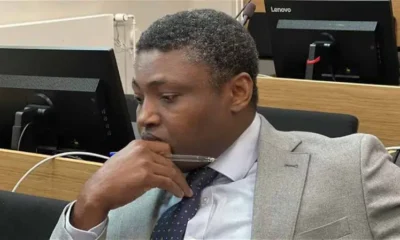
The story of Dr. Ikenna Erinne became a painful symbol of this growing concern. The Nigerian-born American-trained cardiologist was reportedly said to have taken his own life following an arduous divorce dispute in the United States where he had allegedly been ordered to pay $15,000 in monthly spousal support to his former wife. His death reignited public debate surrounding mental health, the societal pressure, and the often-unspoken emotional struggles many men endure behind closed doors.
Unfortunately, these men of today who are victims of this societal imbalance were the boys of yesterday. In their younger years, they naturally spoke tenderly about their mothers, cherished and celebrated them openly and loudly, but the same was not always said about their fathers. The irony of this saga is that it has become a generational norm that sons grow to adulthood to become reflections of the same anomaly that shaped them. It is garbage in, garbage out that deserves a rethink. This is not about diminishing the value of mothers, who deserve every bit of love and affection they receive. Rather, it is about recognizing that fathers (men) are also humans and equally parents deserving of affection, emotional support, appreciation, love and care.
The wide gap between the reality and the illusion to suppress emotional expression is erroneous, and a misleading conception. This fallacy has driven many men down to a destructive path. Rather than seeking help, shame and social stigma often push them towards harmful coping mechanisms and transferred aggression that triggers domestic violence.
The disturbing rise in femicides buttresses the call for urgent action on the growing emotional neglect and mental health challenges affecting men, as well as the psychological well being of women. According to the United Nations Office on Drugs and Crime (UNODC) and UN Women report, nearly every 10 minutes, an intimate partner or family member somewhere in the world kills a woman or a girl, and about 50,400 women and girls were killed in 2024 – “Africa 22,600, Asia 17,700, Americas 7,700, Europe 2,100 (and) Oceania 300”. “The home remains a dangerous and sometimes lethal place for too many women and girls around the world,” said John Brandolino, the acting Executive Director of UNODC. Society must ensure that homes remain a haven for everyone.
For the sake of our society’s sanity, we must collectively address these issues with the required urgency within our capacities. Taking objective action will help to reduce preventable suffering and save lives. Humanity must show emotion and empathy towards these plights, because there are indeed injuries that do not bleed and scars that ordinary eyes cannot see.
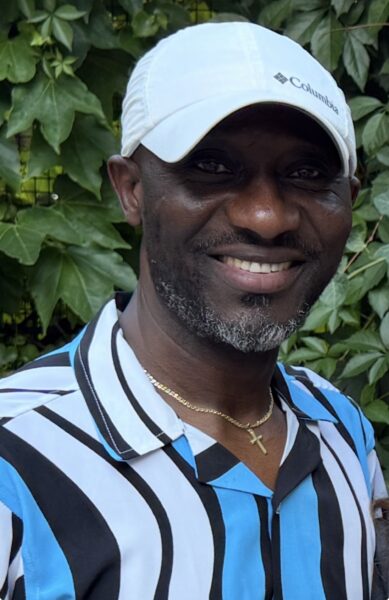
Uzoma Ahamefule, a concerned patriotic citizen and a refined African traditionalist, writes from Vienna, Austria.
uzomaah@yahoo.com
+436607369050 (Please, WhatsApp messages only)