
Economy
Nigeria: Parable of a Brutish Economy, by Usman Muhammad Salihu


Nigeria, one of Africa’s largest crude oil producers, grapples with a troubling paradox: soaring fuel prices and a meager minimum wage. This contradiction underscores the harsh realities confronting millions living in a resource-rich nation.
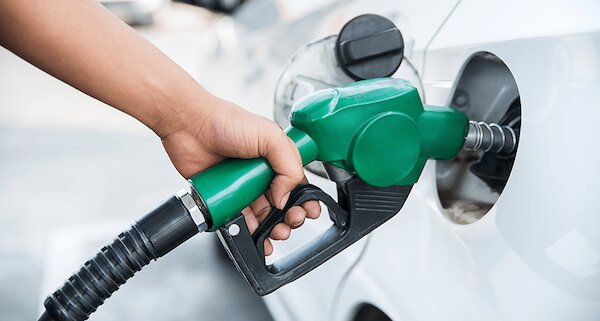
Crude oil has long anchored Nigeria’s economy, generating substantial revenue and foreign exchange. Yet, the wealth rarely trickles down to ordinary citizens. Fuel, a key derivative of crude oil, remains prohibitively expensive due to deregulated markets, subsidy removal, and limited domestic refining capacity.
Instead of refining its crude oil, Nigeria imports refined petroleum products, driving up costs and straining an already fragile economy. The ripple effects are profound. Transportation costs have skyrocketed, inflating the prices of goods and services. Farmers transporting produce to markets, artisans powering tools, and businesses reliant on generators to offset erratic electricity endure immense burdens.
Small-scale businesses teeter on the brink of collapse, while consumers face relentless price hikes for basic necessities. For an average Nigerian earning ₦30,000–₦70,000, one of the world’s lowest minimum wages, these challenges are insurmountable.
Despite rising inflation and a depreciating naira, wages have remained stagnant, forcing workers into painful trade-offs: skipping meals, forgoing healthcare, or withdrawing children from school to survive. Experts widely view Nigeria’s reliance on fuel imports as a colossal policy failure.
The nation’s four state-owned refineries, once symbols of industrial pride, have devolved into monuments of inefficiency. Operating at less than 20% capacity for decades, these facilities consume billions in rehabilitation efforts with no meaningful outcomes, leaving the country reliant on costly imports.
Successive administrations have promised reforms to the oil and gas sector, but the results have been disappointing. Corruption and a lack of political will perpetuate a cycle of waste and economic hardship.
Recent reforms, such as subsidy removal, aim to redirect funds to infrastructure and social welfare. However, these measures have worsened the immediate plight of citizens. Fuel prices have soared, deepening poverty and sparking protests. While the affluent and corporations may weather the storm, low-income earners face a relentless battle for survival.
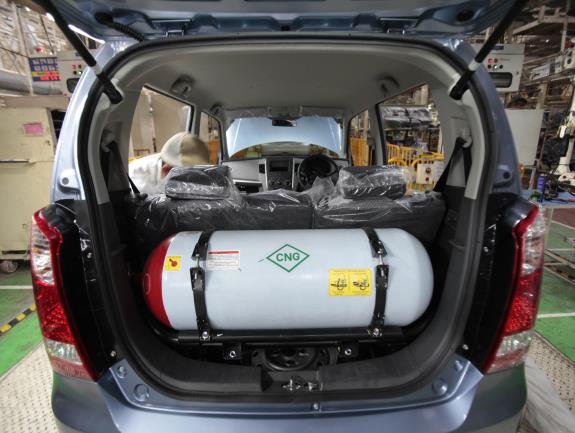
Addressing these challenges demands transparent and decisive leadership. Revitalizing local refineries is essential, not only to reduce dependence on imports but also to create jobs and stimulate the economy. Exploring alternative energy sources like renewables can diversify the sector and alleviate pressure on oil dependency.
Equally critical is revising the minimum wage to reflect inflation and the cost of living. This adjustment would offer workers some reprieve and restore their purchasing power.
Nigeria must also prioritize institutional reforms to ensure accountability in managing its oil wealth. A transparent, well-regulated oil and gas sector could unlock enormous potential, transforming the nation from a land of paradoxes into one of shared prosperity.
For Nigeria to truly harness its vast resources, it must close the gap between its wealth and the welfare of its people. Affordable fuel and a living wage remain aspirations for millions—a dream that can only be realized through bold action, sustained commitment, and genuine prioritization of the masses over vested interests.
Usman Muhammad Salihu is a PRNigeria Communication Fellow. He wrote from Jos via: muhammadu5363@gmail.com.




















You must be logged in to post a comment Login