Breaking News
Onoh urges Gowon to apologise to Igbo over civil war “palm tree” remarks
The ex-South-East spokesman for President Bola Tinubu says Gowon’s civil war narrative misrepresents historical facts.

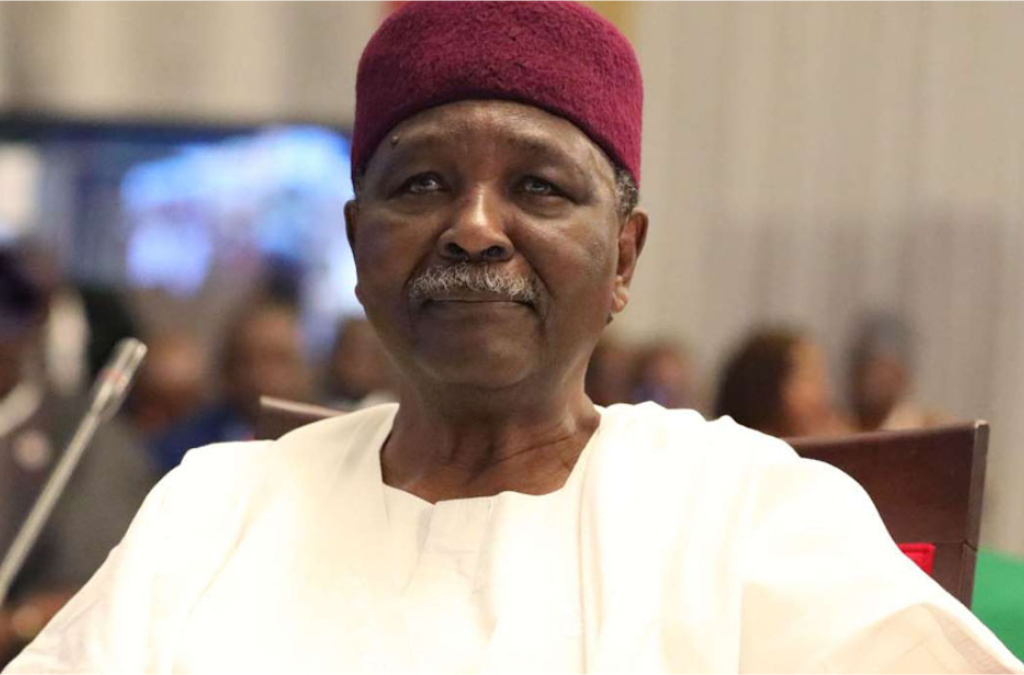
Denge Onoh, former member of the Enugu State House of Assembly and ex-South-East spokesman for President Bola Tinubu, has called on former Head of State Yakubu Gowon to apologise to the Igbo people over his recent comments about the Nigerian Civil War.
Onoh criticised Gowon’s remarks during an Arise Television interview in which the former military ruler reportedly said that after the war, he observed black spots on palm trees in former Biafran areas and was informed they were bullet marks.
Gowon also suggested that “most of the bullets fired by the Nigerian army hit palm trees, not people.”
Reacting, Onoh said the statement misrepresented the scale of human suffering during the 1967–1970 civil war and was inconsistent with documented historical evidence.
He maintained that about three million people died during the conflict, with many victims lost to starvation, disease and military operations.
“Reducing these horrors to bullets harmlessly striking palm trees does not withstand basic scrutiny,” Onoh said.
“It ignores the well-documented humanitarian crisis, including widespread kwashiorkor among children, mass displacement and the devastating human cost of prolonged fighting across the South-East.”
He also questioned the framing of the war in Gowon’s memoir My Life of Duty and Allegiance, saying it appeared to defend a particular narrative of the conflict.
Onoh argued that describing the war as a “police action” and downplaying civilian casualties reflected personal justification rather than balanced historical reflection.
However, he acknowledged Gowon’s post-war reconciliation policy of “No Victor, No Vanquished” and the 3Rs initiative, while stressing that lasting peace requires full recognition of wartime suffering.
He cautioned against relying on “anecdotes like the palm trees story” to explain a complex and tragic historical event.
Onoh urged Nigerians, especially in the South-East, to read Gowon’s account critically and compare it with other historical sources.
He referenced international cases where leaders later expressed remorse for wartime actions, including Vietnam War-era U.S. officials and German post-war acknowledgments of atrocities.
“In light of this, General Gowon owes the Igbo people a simple, sincere apology for the suffering endured during the war,” he said.
Africans Angle News