National Issues
Panic and High Tension Arise in Oyo State as Gov Seyi Makinde Refuses to Issue Appointment Letters to Amotekun Operatives -By Segun Adebowale
As the clock ticks toward the end of this administration, Governor Seyi Makinde faces a defining test. Will he address this injustice and leave behind a legacy of fairness and accountability, or will he ignore the voices of those who have served under dangerous and uncertain conditions?

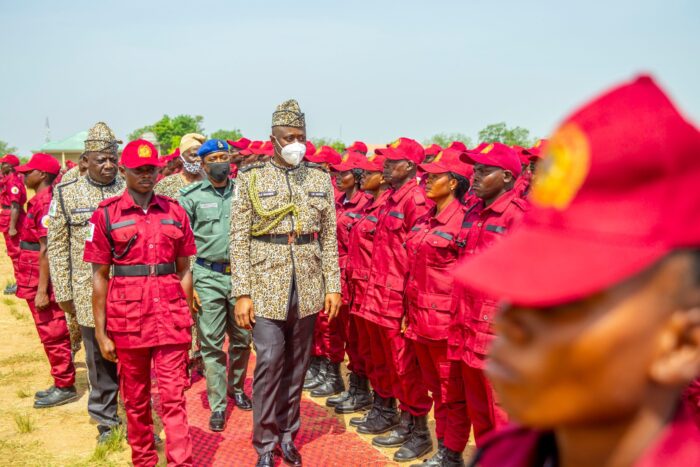
Serious tension is brewing within the Oyo State Amotekun Corps as operatives continue to serve without formal appointment and confirmation letters nearly five years after their engagement. As the administration of Governor Seyi Makinde winds down toward December 2026, the silence surrounding their status is no longer just troubling, it is unacceptable.
These operatives have risked their lives daily to secure communities across Oyo State, yet they remain trapped in a system that refuses to formally recognize them as legitimate employees. No appointment letters. No confirmation of service. No defined ranks. No clear path for promotion. For many, this is not just negligence it is outright disregard.
The question now being asked across the state is simple: why has a government that reportedly invested billions of naira in Amotekun operations failed to properly structure and formalize its workforce? How can a security outfit function effectively when its personnel are left in administrative limbo?
Operatives, many of whom spoke under anonymity, expressed anger and deep frustration. Some made it clear that their experience over the past five years has shaped how they view the current leadership. According to them, continued neglect sends a clear message—that their sacrifices do not matter.
Even more disturbing is the welfare gap. Several operatives have died in the line of duty, yet there are no established pension schemes, no retirement plans, and no life insurance coverage for their families. This raises serious ethical concerns about how the state values those who stand on the front lines of its security.
Allegations and suspicions are also beginning to surface. Some observers question whether the failure to issue appointment letters is linked to deeper systemic issues, including poor oversight or financial irregularities. While these claims require proper investigation, the lack of transparency only fuels public distrust.
The reality is stark: men and women who have committed years of service to protecting lives and property are being treated as expendable. This is not just an administrative oversight—it is a failure of leadership.
As the clock ticks toward the end of this administration, Governor Seyi Makinde faces a defining test. Will he address this injustice and leave behind a legacy of fairness and accountability, or will he ignore the voices of those who have served under dangerous and uncertain conditions?
The operatives of the Oyo State Amotekun Corps are not asking for favors they are demanding what is rightfully theirs: recognition, structure, and dignity.