Africa
Role of Youths in Nation Building -By Kusompwa Lazarus Motiyedi
Character and integrity are the foundations of leadership. The quality of tomorrow’s leaders is reflected in the character of today’s followers. If Nigerian youths aspire to build a better nation, they must reject corruption, embrace education, uphold moral values, and actively participate in shaping a just and inclusive society.

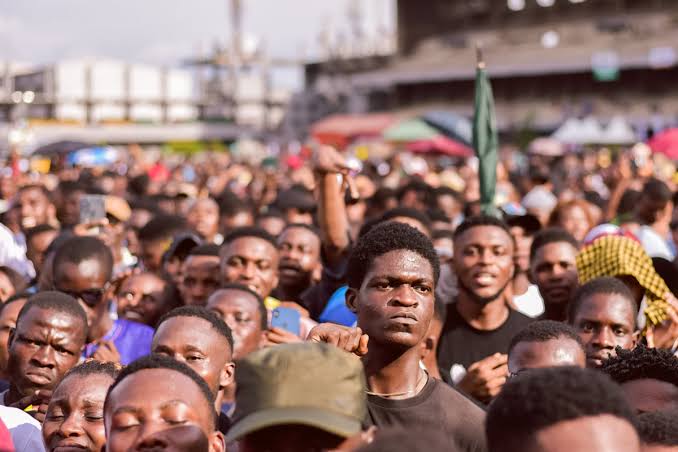
The leadership space in Nigeria is largely occupied by aged politicians who believe that nation building is their exclusive preserve. Youths are often seen as unprepared, inexperienced, or unworthy of leadership opportunities. Perhaps this mindset explains why young people are repeatedly described as “leaders of tomorrow,” yet that tomorrow never seems to arrive.
This unfortunate mentality has shaped successive leadership patterns in Nigeria. Over time, the cliché has dulled the enthusiasm of many young people, creating apathy, reluctance, and withdrawal from civic engagement and responsibilities that are essential to nation building.
According to the Nigerian Constitution, youths are citizens between the ages of 18 and 35. One then wonders how the youth leader of the largest political party in Africa can be well above 50 years of age. This contradiction, among many others, highlights the systemic exclusion of young people from meaningful participation in governance and decision-making. Beyond age, however, youthfulness is also a state of mind — characterized by energy, imagination, courage, innovation, and a strong appetite for progressive thinking. It is not merely biological but psychological and ideological.
Youths are the building blocks of every developed nation. The strength of a country’s youth largely determines its level of development. In a nation like Nigeria, where over 70 percent of the population is youthful, one cannot help but ask why progress remains elusive. The answer lies partly in the deliberate mortgaging of the future of young people for selfish interests. Many youths have been denied quality education, exposed to moral decay, and robbed of strong value systems. Meanwhile, the political leadership is riddled with corruption, and the justice system has repeatedly failed to hold offenders accountable.
Government efforts to address youth unemployment and underdevelopment often amount to little more than lip service. Young people are mobilized during elections, not as stakeholders, but as tools — electoral thugs rather than empowered citizens. Instead of investing in education, skills development, and job creation, the system exploits youthful energy for short-term political gain.
It is true that today’s youth did not experience the horrors of the Nigerian Civil War or the severe economic hardships that followed. While we are grateful to have missed those dark chapters, we also missed the calibre of leaders who emerged from them — leaders who spoke honestly about sacrifice, led by example, and fostered a sense of shared national purpose. Sadly, that spirit of unity and selflessness appears to be steadily eroded by present-day leadership.
That said, the youth cannot be absolved of blame. In many ways, young people have become architects of their own misfortune by internalizing the corrupt values of the political elite. Ideological bankruptcy, moral confusion, and a preference for violence over dialogue have taken root. We have often chosen short-term comfort over long-term sacrifice, crime over education, and destructive tools over productive skills. Many youths willingly engage in electoral violence and other unethical acts for personal gain.
Character and integrity are the foundations of leadership. The quality of tomorrow’s leaders is reflected in the character of today’s followers. If Nigerian youths aspire to build a better nation, they must reject corruption, embrace education, uphold moral values, and actively participate in shaping a just and inclusive society.
Nation building is not the responsibility of government alone. It is a collective duty — and the youth, by virtue of their numbers, energy, and creativity, must rise to the challenge. Only then can Nigeria’s promise be transformed into reality.