
National Issues
Suspicion Deepens As Electricity Consumers Smell Rats Over Incessant National Grid Collapse -By Isaac Asabor
Without a doubt, the incessant collapse of Nigeria’s national grid is more than just a technical failure; it is a crisis that affects every aspect of life in the country. While authorities offer explanations, many Nigerians remain unconvinced and suspect that there are hidden interests at play. If the government and power sector players continue to ignore the plight of consumers, the backlash could be severe, with citizens resorting to legal, economic, or even civil resistance to demand accountability.

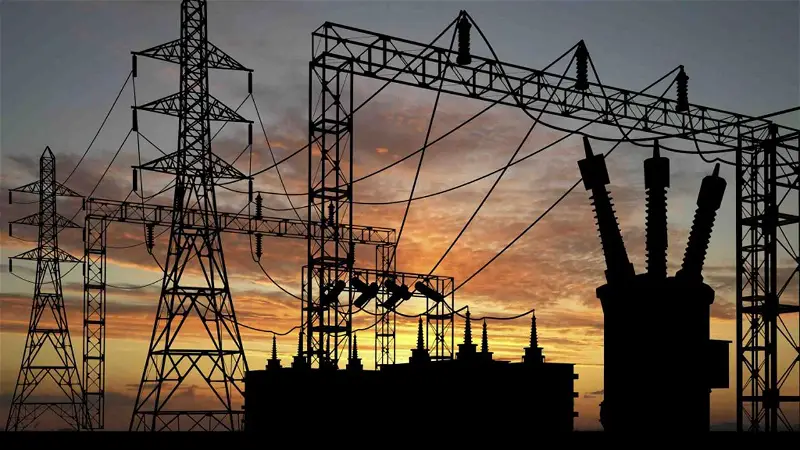
In recent times, Nigeria has witnessed an alarming frequency of national grid collapses, plunging homes, businesses, and industries into darkness. The recurrent failure of the power infrastructure has left many citizens and electricity consumers questioning the competence of the authorities managing the grid. Beyond the technical explanations offered, there is growing suspicion that the persistent collapses may not be entirely accidental. Nigerians are beginning to suspect that something fishy is going on, and they are demanding answers.
The national grid collapse has become a recurring nightmare for Nigerians. The country has recorded multiple grid failures in the past months, leaving millions without electricity for hours, sometimes days. In an era where stable electricity is critical for economic growth, businesses and ordinary citizens bear the brunt of these incessant blackouts. Manufacturing firms have had to shut down operations, hospitals have been forced to rely on expensive alternative power sources, and small businesses are struggling to survive.
The latest incidents have only deepened the suspicion of foul play. Many Nigerians are asking why the grid collapses appear to follow a pattern, with some suspecting deliberate sabotage or a calculated move to justify tariff hikes and privatization moves. Others believe there could be collusion between powerful stakeholders benefiting from the perennial crisis in the energy sector.
Each time the grid collapses, the Transmission Company of Nigeria (TCN) and the Federal Ministry of Power rush to offer technical reasons for the failure. They blame system disturbances, gas supply issues, vandalism, or aging infrastructure. While these explanations may hold some truth, many Nigerians are not convinced.
A popular theory gaining traction is that some private sector players within the power industry benefit financially from these failures. Could it be that some independent power providers and diesel suppliers are intentionally keeping the grid unstable to sustain the high demand for alternative power solutions such as generators and inverters? Many consumers believe so.
Without a doubt, Nigeria’s power sector has long been plagued by inefficiencies and corruption. Even after privatization, the problems persist, with distribution and generation companies failing to meet expectations. Critics argue that some actors within the sector have turned the crisis into a cash cow, profiting off the misfortunes of electricity consumers. The more frequent the grid collapses, the more businesses and households are forced to purchase expensive diesel, solar panels, and inverters.
For instance, the high cost of alternative power supply has skyrocketed, with the price of diesel hovering around exorbitant levels. This has led to speculation that fuel marketers and generator merchants might be influencing the frequent collapse of the national grid.
Adding to the frustration, electricity tariffs continue to rise even as power supply remains unreliable. Despite the blackouts, the government and electricity distribution companies (DisCos) keep adjusting tariffs upward, citing increased costs of operation. This contradiction fuels more suspicion, are these collapses engineered to create an artificial justification for increased electricity tariffs?
Consumers are demanding transparency regarding the true causes of the grid failures. Many argue that the federal government must launch a comprehensive investigation into the root causes, beyond the generic reasons provided by power officials.
In fact, Nigerians are tired of the status quo. If the country must move forward, there must be a deliberate effort to fix the electricity sector once and for all. Some urgent steps that must be taken include, a transparent investigation, diversification of power sources, infrastructure upgrade, privatization with proper oversight coupled with consumer advocacy and legal action.
In fact, the government must conduct an independent inquiry into the frequent national grid collapses to determine if there is sabotage or deliberate foul play. Any individuals or organizations found culpable must be held accountable.
In a similar vein, Nigeria must aggressively invest in alternative power sources such as renewable energy (solar, wind, hydro) to reduce dependence on the national grid. A more decentralized power system will prevent total collapse when the grid fails.
Also, the government must prioritize upgrading the transmission network to handle higher loads and prevent breakdowns due to overload.
Also in a similar vein, the power sector must be restructured to ensure that privatization benefits consumers and not just a few powerful interests. Regulatory agencies must be empowered to checkmate any attempt to exploit consumers.
Again, electricity consumers must begin to explore legal actions against power companies that fail to deliver quality service. If Nigerians can successfully hold telecom companies accountable for poor service, the same should apply to electricity providers.
Without a doubt, the incessant collapse of Nigeria’s national grid is more than just a technical failure; it is a crisis that affects every aspect of life in the country. While authorities offer explanations, many Nigerians remain unconvinced and suspect that there are hidden interests at play. If the government and power sector players continue to ignore the plight of consumers, the backlash could be severe, with citizens resorting to legal, economic, or even civil resistance to demand accountability.
Until transparency, accountability, and real solutions are implemented, the suspicion that the national grid collapses are orchestrated to benefit a few at the expense of many will only continue to deepen. Nigerians are watching closely, and the demand for answers is getting louder by the day.


























You must be logged in to post a comment Login