Forgotten Dairies
Tahajjud: Between the Mosque and the Home — Returning to the Prophetic Balance -By Muhammad Dan Musa
For this reason, Muslims should avoid turning this matter into a source of argument or division. Those who pray Tahajjud in congregation have performed a valid and rewarding act of worship. Those who rise alone in their homes follow a path deeply rooted in the Prophet’s personal practice.

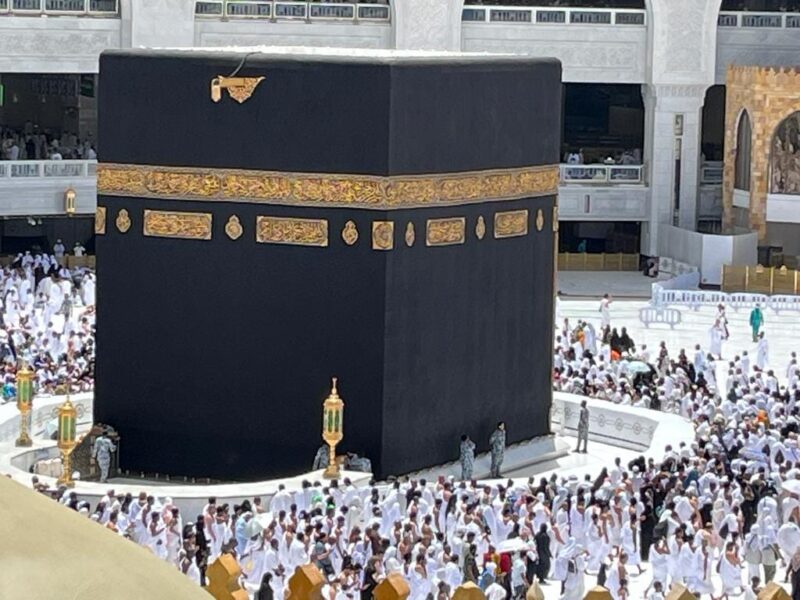
Every Ramadan, a familiar question quietly returns to Muslim communities: should Tahajjud—the voluntary prayer performed in the last part of the night—be prayed together in the mosque, or alone at home?
In many Nigerian cities today, especially during the last ten nights of Ramadan, mosques organise late-night congregational prayers after worshippers have already observed Tarawih earlier in the evening. For some Muslims, this gathering is seen as a revival of spiritual devotion. For others, it raises a thoughtful question: does this practice reflect the original Sunnah of the Prophet Muhammad (peace be upon him)?
The answer, according to Islamic scholarship, lies not in rigid positions but in a careful balance—one deeply rooted in the prophetic tradition.
The Spirit of Tahajjud
Tahajjud is not simply another voluntary prayer. It represents one of the most intimate moments of worship in Islam. Performed in the quiet hours before dawn, it is a time when the believer turns to Allah away from the noise and distractions of daily life.
The Qur’an describes the devoted believers as those “who forsake their beds to call upon their Lord in fear and hope” (Qur’an 32:16).
Unlike obligatory prayers that unite Muslims publicly in mosques, Tahajjud has historically been associated with sincerity and privacy. Authentic narrations show that the Prophet Muhammad (peace be upon him) frequently performed his night prayers quietly in his home. His wife, Aisha (may Allah be pleased with her), often described his worship during the night as a deeply personal act.
This understanding is reinforced by a well-known prophetic saying: “The best prayer of a person is in his house except the obligatory prayers.” The hadith, recorded in both Sahih al-Bukhari and Sahih Muslim, has long guided scholars in encouraging believers to perform voluntary prayers privately whenever possible.
Did the Prophet Ever Lead Night Prayer in Congregation?
Historical narrations confirm that the Prophet did occasionally lead companions in night prayer during Ramadan. However, he did so only for a few nights before discontinuing the practice.
When asked about this decision, he explained that he feared the prayer might become obligatory for the community if it continued regularly.
This moment offers an important lesson. The Prophet did not prohibit congregational night prayer; rather, he avoided turning it into a permanent or institutional practice. For many scholars, this distinction became essential: what is permissible is not always what is most preferable.
What Islamic Scholars Say
Across the four major Sunni schools of Islamic jurisprudence, there is broad agreement on this matter.
Scholars from the Hanafi school generally hold that performing voluntary prayers regularly in congregation—outside of specific occasions such as Tarawih—should be avoided if it becomes a routine practice. Their concern is that voluntary worship might gradually take on the character of obligatory rituals.
Maliki scholars similarly emphasise the importance of performing voluntary prayers individually, particularly to preserve sincerity and humility.
The Shafi‘i school allows voluntary prayers in congregation but does not consider it the normal practice. Congregational prayer is recommended only for certain acts of worship that the Prophet consistently performed publicly, such as Eid prayers and Tarawih.
Hanbali jurists also permit Tahajjud in congregation occasionally, especially when it encourages people to participate in night worship. Yet they maintain that performing it individually remains spiritually superior.
Taken together, the conclusion across these traditions is remarkably consistent: congregational Tahajjud is permissible, but praying alone is closer to the regular Sunnah.
Voices of the Scholars
Many classical scholars emphasised this balance.
The renowned Shafi‘i scholar Imam al-Nawawi explained that voluntary prayers may be performed in congregation, but the Prophet’s consistent personal practice indicates that praying individually often carries greater sincerity.
Similarly, the influential scholar Ibn Taymiyyah acknowledged that congregational voluntary prayers can be beneficial at times, particularly for teaching or encouragement. However, he cautioned against transforming them into permanent or organised routines.
Another respected scholar, Ibn Rajab al-Hanbali, highlighted that early Muslims often preferred hidden acts of worship, especially night prayer. For them, secrecy strengthened humility and deepened spiritual connection with Allah.
Why Private Worship Matters
In Islam, the value of worship is not measured by the size of the congregation but by sincerity of intention.
When a believer rises alone in the night to pray, there is no audience, no expectation, and no recognition. The act becomes purely between the individual and the Creator.
For this reason, many contemporary scholars continue to emphasise that while congregational Tahajjud is valid and rewarded, praying individually in the quiet of the night often brings greater spiritual depth.
The Role of the Mosque
At the same time, the growing practice of organising late-night Tahajjud prayers in mosques during Ramadan is not without wisdom.
For many people, such gatherings serve as encouragement. They motivate individuals who may struggle to wake up alone, strengthen community bonds, and introduce newcomers to the beauty of night worship.
Scholars therefore recognise the benefits of these congregational prayers and do not consider them forbidden. Indeed, the consensus remains that they are permissible and rewarded acts of devotion.
Yet it is important to remember that permissibility does not necessarily mean preference.
Returning to the Prophetic Balance
The Sunnah ultimately teaches three simple but important principles.
First, performing Tahajjud in congregation is allowed.
Second, making it a regular organised system was not the Prophet’s consistent practice.
Third, praying privately at home remains closer to his personal example.
In essence, the mosque may awaken the believer to worship, but the quiet space of the home often nurtures deeper reflection and sincerity.
A Gentle Ramadan Reminder
The purpose of Tahajjud is not public display but spiritual presence—standing before Allah when the world is asleep.
A crowded mosque can be inspiring. But a silent room before dawn, illuminated only by faith, may reflect the deeper spirit of the prophetic tradition.
For this reason, Muslims should avoid turning this matter into a source of argument or division. Those who pray Tahajjud in congregation have performed a valid and rewarding act of worship. Those who rise alone in their homes follow a path deeply rooted in the Prophet’s personal practice.
Both are accepted. Yet one carries a special intimacy that defined the nights of the Prophet Muhammad (peace be upon him).
Perhaps that is why the most powerful moments of worship in Islam often occur when the world is quiet, the lights are dim, and only Allah knows who is standing in prayer.
— Muhammad Dan Musa
Mass Communication student, Federal University of Kashere, and student journalist interested in media, society and public discourse.