Economy
The Mirage of Economic Growth: When Numbers Deceive, by Isaac Asabor

In an era where economic indicators hold tremendous weight in shaping policies, investment decisions, and public sentiment, it is increasingly puzzling to hear experts declare a nation’s economy is growing only for the lived experiences of its citizens to tell a different tale. The disparity between optimistic economic indices and the realities on the ground raises critical questions about the efficacy of these figures and the true state of a nation’s economic health.
To the casual observer, the reports of rising Gross Domestic Product (GDP), increased stock market performance, and burgeoning trade surpluses paint a picture of prosperity. Policymakers tout these statistics as proof of a successful economic strategy, persuading the public that the nation is on the path to success. However, for many, the truth is starkly contrasting. Streets filled with unemployed citizens, shrinking small businesses, and long queues at food banks present a reality that suggests economic growth is not just illusory, it is, at best, a façade.
The reliance on economic indices such as GDP, purchasing managers’ indices, and consumer confidence surveys has grown, but these metrics often fail to account for the nuances of everyday struggles. Take, for instance, a nation’s GDP: this figure encapsulates the total value of goods and services produced, but it overlooks numerous factors, such as income inequality, regional disparities, and the informal economy, which often encompasses the livelihoods of many.
Consider a scenario where large corporations thrive and contribute significantly to GDP through exports while local businesses suffer under the pressure of enormous taxes and competition. The result is a glowing GDP report but minimal wealth trickling down to the average citizen. Public welfare, quality of life, and overall economic well-being appear to diminish, leaving citizens questioning who truly benefits from this so-called growth.
Additionally, inflation plays a critical role in how economic growth impacts citizens. A nation may boast impressive growth figures, but if inflation outpaces wages, the purchasing power of ordinary people diminishes. Families might find themselves struggling to afford basic necessities despite a growing economy, creating a disconnect between the economic narrative and the daily realities of life.
Furthermore, economic growth is not uniform across all segments of society. In many cases, it is concentrated in certain industries or regions, exacerbating existing inequalities. While urban centers may flourish, rural areas could languish, leading to a widening gap in economic opportunity. This imbalance suggests that growth, in too many instances, benefits the few at the expense of the many.
The challenge of accurately depicting economic health extends beyond mere statistics. When governments elect to focus solely on indices that showcase their achievements, they risk neglecting the pressing issues that affect their constituency. There is a growing need for data that reflects the lived experiences of citizens rather than glorifying abstractions that, while technically accurate, lack contextual compassion.
What is required is a more nuanced evaluation of economic health, one that incorporates qualitative aspects of well-being alongside traditional quantitative measures. Key performance indicators must include metrics related to employment quality, wage growth relative to the cost of living, and access to essential services such as healthcare and education.
As stewards of the economy, experts must embrace a broader perspective that acknowledges the multifaceted realities faced by citizens. Policymakers, economists, and stakeholders have a responsibility to look beyond the figures that shine brightest on paper to understand the nuances of the human experience. Only then can they foster genuine growth that uplifts all members of society.
In fact, the disparity between economic growth on paper and the ground realities cannot be overlooked. While it is easy to be dazzled by impressive statistics, it is vital to dig deeper and challenge the narrative. True economic success must be measured not only through indices and reports but also by the prosperity and quality of life experienced by the population. Ultimately, a nation’s economy should serve its people, not just the clicking calculators of experts.
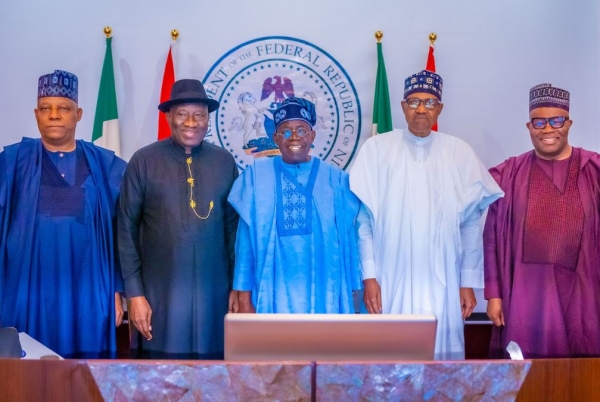
In the realm of Nigerian politics, the recent endorsement of President Bola Ahmed Tinubu by the National Council of State has stirred significant discussions about governance, trust, and leadership within the country. This gesture, often considered a vote of confidence, raises questions about the political dynamics at play. How does this endorsement reflect the council’s assessment of Tinubu’s performance thus far, and what implications does it have for the future of his administration? The intricacies behind such a decision can shed light on the larger narrative of political accountability and support within Nigeria’s governance framework.
The National Council of State comprises several influential figures, including former presidents, military leaders, and state governors, all of whom carry significant weight in Nigeria’s political landscape. Their endorsement is not merely ceremonial; it signifies a certain level of approval from individuals who themselves have navigated the complexities of leadership. However, one cannot help but wonder whether this vote of confidence stems from genuine approval of Tinubu’s governance strategies or if it reflects a more strategic alignment among the political elite. The motives behind such an endorsement could reveal deeper alliances and the underlying fabric of Nigerian politics, where loyalty and mutual interests often overshadow public opinion.
Moreover, this endorsement poses a critical question about the broader implications for democracy in Nigeria. While on one hand, it could be seen as a stabilizing force, fostering unity among the political elite, on the other, it raises concerns regarding the separation of powers and the potential for political patronage. As Tinubu continues to face challenges such as economic recovery, security concerns, and public discontent, the support of the National Council of State may serve to bolster his position but also shield him from accountability. The balance between support and scrutiny remains delicate, as the public continues to evaluate the effectiveness of his policies and their impact on everyday Nigerians.
Additionally, the endorsement invites public scrutiny regarding the role of the National Council of State in influencing governance. In the past, such bodies have been criticized for operating behind closed doors, often prioritizing the interests of the political class over the needs of the citizenry. This scenario raises vital questions about transparency and the necessity for inclusive governance. How can the National Council of State ensure that its support for Tinubu translates into tangible benefits for the populace? The challenge lies in connecting political endorsements with real-world outcomes, thereby fostering a sense of accountability that is often lacking in political systems where elites dominate.
In conclusion, the National Council of State’s vote of confidence in President Tinubu opens a broader dialogue about the nature of political legitimacy, accountability, and citizen engagement in Nigeria. As the country navigates its myriad challenges, the implications of this endorsement are profound, not just for Tinubu’s presidency but for the political landscape as a whole. It underscores the need for a dynamic relationship between leadership and the governed, one that demands transparency, responsiveness, and a commitment to the welfare of the Nigerian people. Only time will reveal whether this endorsement translates into meaningful reform and progress for the nation.