Africa
The Poverty Crisis: A Global Challenge to Human Dignity and Development -By Jennifer Joab
Improving security is also essential, as peace creates an enabling environment for economic activities and investment. Additionally, addressing environmental challenges through sustainable farming practices and climate adaptation strategies can help protect the livelihoods of rural populations.

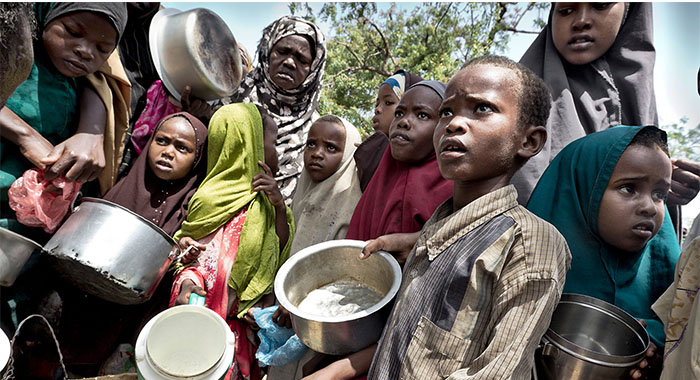
Poverty remains one of the most persistent and devastating problems confronting humanity in the modern world. In spite of rapid technological advancement, scientific discoveries, and economic growth in many regions, millions of people across the globe still live in conditions of extreme deprivation. The poverty crisis is not merely about the absence of money, but about the denial of basic human rights and dignity. It is the inability of individuals and families to meet fundamental needs such as food, shelter, clothing, healthcare, education, and clean water. As such, poverty represents both a social and moral challenge that threatens global stability and sustainable development.
One of the major drivers of poverty is unemployment and underemployment. In many developing nations, a large proportion of the population is either without work or engaged in low-paying informal jobs that provide no job security or social protection. Even in urban areas, where economic activities are concentrated, many people struggle to earn a living wage. The situation is worsened by economic instability, inflation, and the rising cost of living, which continuously erode the purchasing power of ordinary citizens and push more people below the poverty line.
Poor governance and corruption further deepen the poverty crisis. When leaders mismanage public resources or divert funds meant for development, essential services such as education, healthcare, electricity, and transportation suffer greatly. Instead of being invested in projects that could improve lives and create employment, these resources often benefit only a privileged few. This leads to growing inequality between the rich and the poor and fuels public frustration and social tension.
Another important factor contributing to poverty is insecurity and conflict. Wars, terrorism, banditry, and communal clashes destroy lives, homes, farms, and businesses. They displace millions of people, forcing them into refugee camps or urban slums where survival becomes a daily struggle. In such conditions, children are deprived of schooling, families lose their sources of livelihood, and communities are plunged into long-term poverty. Environmental challenges such as climate change, droughts, floods, and desertification also worsen poverty, especially for rural farmers who depend on the land for survival.
The effects of poverty are severe and wide-ranging. Hunger and malnutrition are among the most visible consequences, weakening the immune system and reducing life expectancy. Poor people are often unable to access quality healthcare, making them vulnerable to preventable diseases. Education also suffers, as children from poor families are frequently forced to drop out of school to engage in child labour, street hawking, or begging in order to support their families. This lack of education perpetuates a vicious cycle in which poverty is transferred from one generation to another.
Socially, poverty contributes to rising crime rates, drug abuse, prostitution, and other social vices, as individuals resort to desperate means to survive. Politically, extreme poverty can lead to instability, protests, and even violent conflict, as citizens lose trust in government and institutions. Economically, a poor population reduces national productivity and limits innovation and growth, making it difficult for countries to compete in the global economy.
Addressing the poverty crisis requires a comprehensive and sustained approach. Governments must prioritize job creation by investing in agriculture, manufacturing, and technology-driven industries. Small and Medium Enterprises (SMEs) should be supported through access to credit, training, and favourable policies, as they are major drivers of employment. Education must be made accessible and affordable at all levels, with special attention given to vocational and technical training to equip young people with practical skills.
Furthermore, social welfare programmes should be strengthened to protect the most vulnerable members of society. These may include conditional cash transfers, school feeding programmes, health insurance schemes, and subsidies for essential goods. Good governance, transparency, and accountability are equally vital to ensure that public resources are used efficiently and for the common good. The fight against corruption must be firm and consistent.
Improving security is also essential, as peace creates an enabling environment for economic activities and investment. Additionally, addressing environmental challenges through sustainable farming practices and climate adaptation strategies can help protect the livelihoods of rural populations.
The poverty crisis is not just an economic problem but a profound human tragedy that affects the social, political, and moral fabric of society. It demands urgent attention and collective action from governments, international organizations, private sectors, and individuals. By promoting inclusive growth, social justice, education, and good governance, the world can gradually overcome poverty and build a future where every human being lives with dignity, opportunity, and hope.