Africa
The Silence Is No Longer Golden -By Abdulazeez Toheeb Olawale
History is unforgiving to nations that refuse to listen. Countries do not collapse because citizens speak too loudly, but because leaders hear too little. Nigeria’s greatest crisis is not just insecurity, inflation, or unemployment. It is the widening chasm between power and the people between those who speak endlessly and those who are never heard.

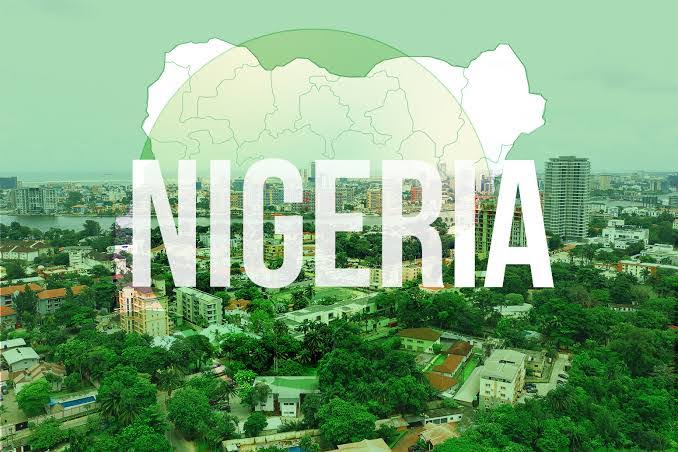
Nigeria is screaming.
Only those in power are pretending not to hear.
This country is not short of noise. There are press conferences, policy statements, security briefings, budget speeches, and endless reassurances. Yet beneath this noise lies something far more dangerous, a deliberate, suffocating silence. Not the silence of peace, but the silence of refusal. Refusal to listen. Refusal to act. Refusal to confront uncomfortable truths.
Like the world described in The Sound of Silence, Nigeria has mastered the art of talking without speaking and hearing without listening. Leaders speak fluently, but their words rarely touch reality. Citizens cry out daily, but their pain echoes back unanswered.
This silence is not accidental. It is engineered.
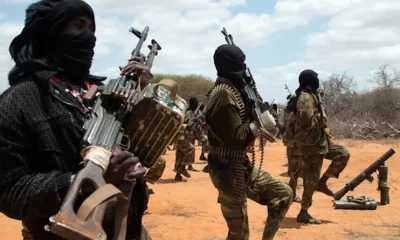
Communities are attacked, villages emptied, lives lost and the response is predictable: condolences, committees, and carefully worded statements. Insecurity roams freely while accountability remains locked away. Violence is loud; justice is mute.
Darkness, in this context, is not ignorance alone, it is convenience. It is easier for those in authority to remain in darkness than to confront a truth that demands responsibility. Hunger spreads, unemployment deepens, inflation suffocates households, yet governance continues as performance, not service.
The neon lights of governance shine brightly: glossy projects, curated statistics, social-media optics, and selective achievements. These artificial lights distract the public, masking decay with spectacle. Visibility replaces substance. Propaganda replaces policy. The image is worshipped while the people are ignored.
Young Nigerians are blamed for their frustration, labelled impatient or lazy in a country that has systematically closed the doors of opportunity. Graduates ride motorcycles, sell water, hawk goods under the sun, not because they lack ambition, but because the system has nothing to offer them. They are told to endure, as if endurance were an economic plan.
Justice, too, has learned the language of silence. Court cases drag endlessly. Investigations fade quietly. The powerful are questioned for formality and absolved in practice. Accountability has become theatre — loud announcements followed by quiet abandonment.
Even the warnings are everywhere. They are written in protests, in investigative reports, in social media outrage, in the anger of the streets. Like the writing on the walls and subways in the song, the signs are visible to all, yet deliberately ignored by those who matter most.
This is not peace.
It is exhaustion disguised as stability.
Silence has become Nigeria’s most powerful political tool used to suppress dissent, delay reform, and normalize failure. But silence does not erase problems; it stores them. Pressure builds quietly, invisibly, until it finds release.
History is unforgiving to nations that refuse to listen. Countries do not collapse because citizens speak too loudly, but because leaders hear too little. Nigeria’s greatest crisis is not just insecurity, inflation, or unemployment. It is the widening chasm between power and the people between those who speak endlessly and those who are never heard.
Silence will not save this country.
It will only delay the reckoning.
And when that reckoning comes, no amount of statements, slogans, or speeches will be loud enough to drown it out.