Forgotten Dairies
The Silence That Speaks: Bishop Kukah and a Shift in Moral Clarity -By Jeff Okoroafor
Why has Bishop Kukah grown quieter? This op-ed examines his changing tone on insecurity and its wider implications.

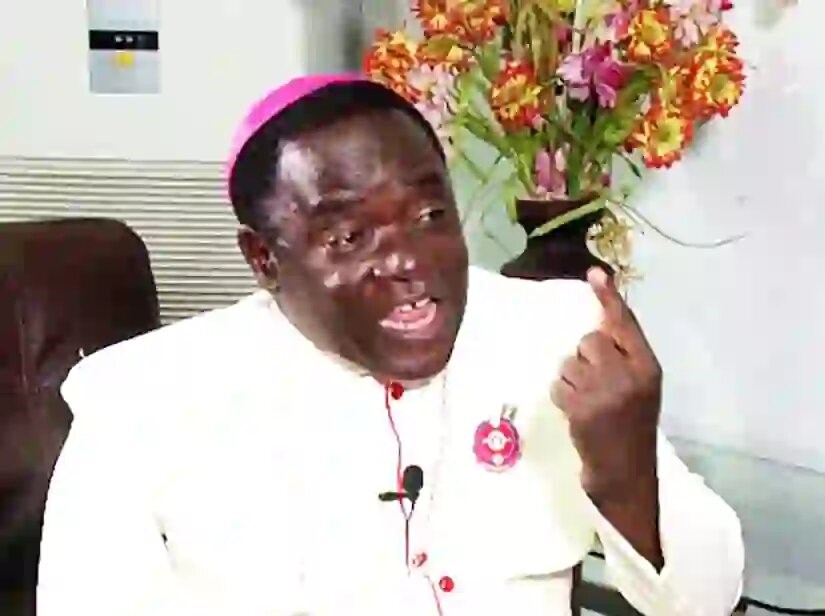
There was a time when Bishop Matthew Kukah did not hedge.
From his pulpit in Sokoto to national platforms, he spoke with a clarity that cut through Nigeria’s habitual evasions. He named injustice, challenged power and gave voice—consistently—to the anxieties of vulnerable communities, particularly Christians in Northern Nigeria. In doing so, he earned a reputation not just as a cleric, but as one of the country’s most credible moral witnesses.
That is why his recent quietness feels less like absence and more like a rupture.
The shift did not occur in a vacuum. It followed a period in which Bishop Matthew Kukah’s framing of Nigeria’s violence appeared to change—away from earlier emphases that resonated strongly with claims of targeted persecution, toward a broader description of insecurity as a tragedy affecting both Christians and Muslims. On paper, this is a defensible position. Nigeria’s violence is, undeniably, complex.
But in practice, the recalibration has unsettled many who once saw in Bishop Kukah a rare willingness to say plainly what others would not.
Because for communities that experience violence as patterned and specific—not random, not evenly distributed—language matters. To widen the lens may be analytically sound; it may even be morally responsible in a divided society. Yet it also risks blurring distinctions that those on the receiving end insist are real. And when a voice once known for sharp definition adopts a more balanced tone, it does not simply inform—it signals.
The timing has only deepened the unease.
Bishop Kukah’s international engagements, including interactions within the Vatican, were followed by messaging from global Catholic leadership emphasising that victims of violence in Nigeria span religious lines. Again, this is not inaccurate. But it reinforced the perception that Bishop Kukah’s once distinct voice had become more aligned with an institutional preference for careful, universal framing over pointed, local specificity.
Perception, in public life, is rarely neutral.
It is possible—indeed, likely—that Bishop Kukah sees this shift not as retreat but as responsibility: a recognition that inflamed narratives can deepen division in an already fragile country. His defenders would argue that moral leadership requires resisting simplifications, especially when those simplifications risk turning tragedy into a single-story explanation.
That argument deserves to be taken seriously.
But so does the counterargument—that moral clarity sometimes demands naming uncomfortable asymmetries, even when doing so disrupts the language of balance. The tension between these two positions is not new. What is new is Bishop Kukah’s apparent movement from one side of that tension to the other, without a full public reckoning with what that movement means.
And that absence of explanation is where the problem lies.
Public trust in figures like Bishop Kukah was built not merely on what he said, but on the consistency with which he said it. When that consistency appears to falter, silence is no longer just silence; it becomes part of the message. It invites interpretation—about caution, about recalibration, about distance from the urgency that once defined his voice.
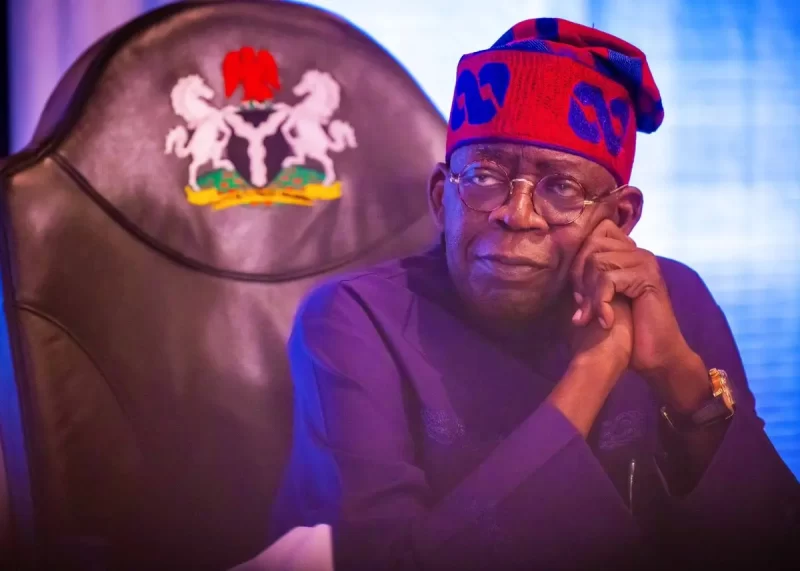
Under the administration of Bola Ahmed Tinubu, where questions of identity, representation and national cohesion remain deeply sensitive, such shifts are read even more closely. In that environment, restraint can look like prudence—or like concession. Without clarity, the distinction collapses.
None of this requires assuming motive. It does not require claims of compromise or coercion to recognise that something significant has changed. The issue is not simply that Bishop Kukah speaks less, but that when he does, he sounds different—more measured, less piercing, more aligned with a language that seeks to hold all sides at once.
Perhaps that is the point. Perhaps it is the cost of operating at a different level of influence, where every word carries diplomatic weight.
But influence, too, has its price.
For those who once looked to Bishop Kukah as a voice that would not soften its edges in the face of power or complexity, the current moment feels like a loss—not of relevance, but of clarity. And in a country where clarity is often the first casualty of crisis, that loss is not insignificant.
In the end, the question is not whether Bishop Kukah has fallen silent. It is whether the voice that once spoke so plainly has chosen, deliberately or otherwise, a different kind of language—one that soothes more than it confronts.
In Nigeria today, that difference is everything.
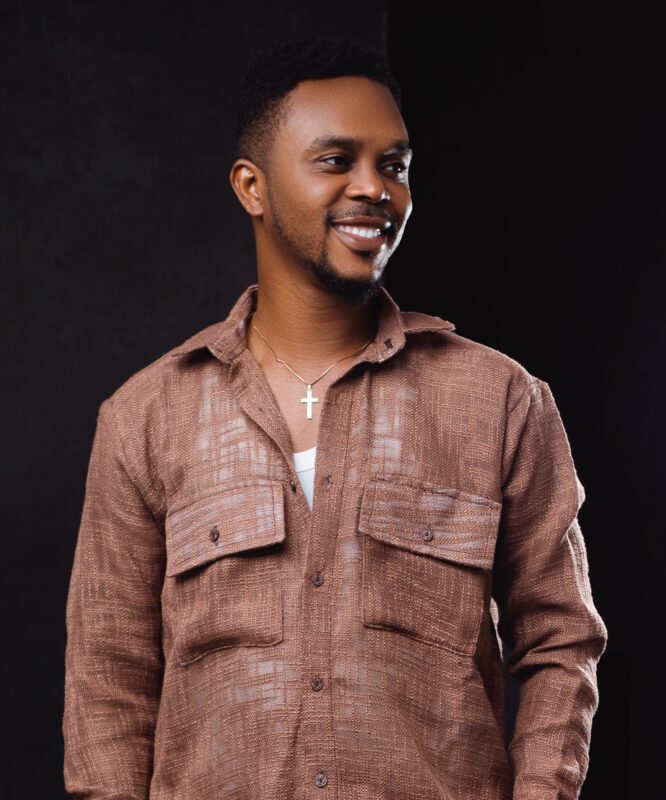
Jeff Okoroafor
Jeff Okoroafor is a social accountability advocate and a political commentator focused on governance, accountability, and social justice in West Africa.