
Africa
Tinubu’s 30-Day Youth Conference is a Drop in the Ocean of Nigeria’s Problems, by Ezinwanne Onwuka


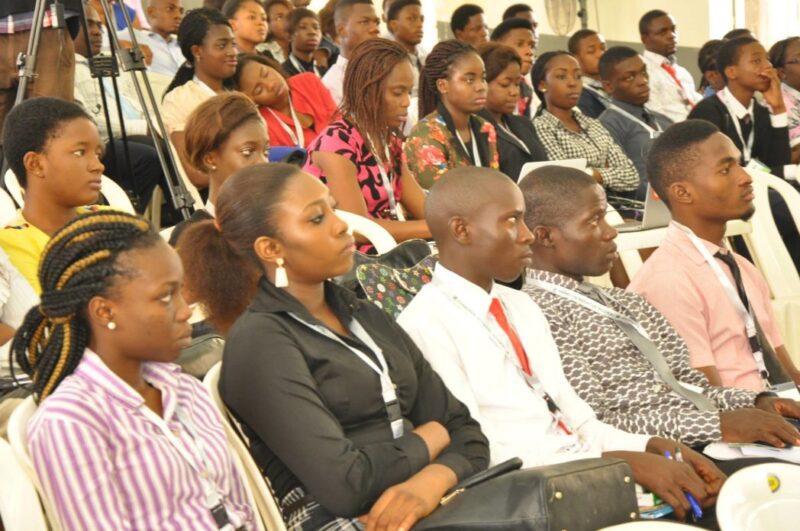
President Bola Ahmed Tinubu’s announcement of a 30-day youth conference in his 1st October Independence Day broadcast has left me questioning the sincerity of his administration’s efforts to address the pressing concerns of Nigerians. While the conference is framed as a platform to engage young Nigerians and provide a platform for dialogue, it appears ill-conceived and falls short of addressing the actual needs of the people.
Coming on the heels of the August #EndBadGovernance protests in Lagos and other parts of the country against economic mismanagement, such a lengthy conference feels more like a publicity stunt than a genuine attempt to engage with Nigerian youths. Worse still, it may end up as yet another token effort designed to deflect from the government’s failure to engage meaningfully over serious social and economic issues.

To begin with, a 30-day conference sounds like an exaggerated attempt to showcase concern for youth engagement, but what exactly will it accomplish that has not already been discussed? The 10-day #EndBadGovernance protests, which drew attention to the country’s protracted economic woes, corruption, and lack of accountability, were met with silence and inaction from the government. The demands for accountability, good governance, and economic turnaround were ignored. Now, with the proposed conference, it seems the Tinubu administration is trying to appease young Nigerians with a tokenistic gesture rather than tackling the root causes of their discontent.
The #EndBadGovernance protests continued on 1 October, a day jubilation was supposed to rent the air across Nigeria in commemoration of the country’s 64th independence anniversary, though there was a low turnout due to fear of repression and economic fatigue. These protests are not just a random outpouring of anger; they are a reflection of deep-seated frustrations with the state of governance in the country. This should tell a people-oriented government that what young Nigerians want is not more rhetoric, but tangible solutions. They want a government that prioritises job creation, reduces inflation, and addresses corruption—issues that directly affect their daily lives. Instead of making a concerted effort to alleviate these problems, the All Progressives Congress government is offering a month-long conference that will likely be filled with speeches and empty promises.
It is worth noting that previous administrations have made similar attempts to organise dialogues and conferences, only for these initiatives to end up as futile exercises in time-wasting. The 2014 National Conference under Goodluck Jonathan, for example, generated hundreds of recommendations, yet a few of these proposals have been implemented. There is little reason to believe that Tinubu’s 30-day youth conference will be any different. His administration has shown little commitment to the plight of Nigerians up to this point, so why should anyone expect this event to produce anything meaningful?
The logistics of such a conference also raise questions. How practical is it to hold a conference for a month in a country where basic infrastructure is in shambles? Will the government foot the bill for transportation, accommodation, and food for participants? What criteria will be used to select attendees, and will these attendees genuinely represent the interests of the youth, or will they be handpicked to offer a favourable image of the government? These are critical questions that the government needs to address.
A better approach for President Tinubu would be to focus on taking immediate and concrete steps to address the specific grievances of the youths over the past few months. Essentially, young Nigerians are asking for better governance. This includes greater accountability from public officials, a more inclusive political process, and reforms that do not disproportionately harm the poorest citizens and most vulnerable. For instance, a phased removal of the fuel subsidy, combined with social welfare programmes to cushion the blow, would have been a more effective strategy.
Corruption is another urgent issue that needs immediate attention. Young Nigerians see this corruption firsthand and have become weary of a system that allow public officials to enrich themselves at the expense of the population. If Tinubu’s government is sincere about engaging the youth, it must show a genuine commitment to transparency and accountability. This means ensuring that public funds are used for the benefit of all Nigerians and strengthening anti-corruption institutions such as the judiciary and anti-corruption agencies. Beyond governance reforms, the government should prioritise job creation and economic opportunities for young people. Unemployment in Nigeria remains alarmingly high, with millions of young people struggling to find meaningful work after school. Rather than organising conferences to talk, the government should focus on rolling out programmes that promote entrepreneurship, skills development, and employment.
Additionally, Tinubu’s administration needs to ensure that its policies are not just focused on short-term gains but are designed with Nigeria’s future in mind. This requires prioritising sectors like education, healthcare, and infrastructure development—areas that are critical to long-term national growth. The government should also focus on creating a more transparent and participatory political environment. This could involve reforms to the electoral system to make it easier for young people to run for office and participate in decision-making processes. It is disappointing that despite the Not-Too-Young-To-Run Act, exorbitant nomination form fees remain a significant barrier for young Nigerians.
With all that has been said, Tinubu’s proposed 30-day youth conference, though potentially admirable in theory, is not only ludicrous, but it is also a distraction from the real issues facing Nigerian youths. Young Nigerians do not need a 30-day forum to express their frustrations as they have already voiced their appeals through the #EndBadGovernance protests. What is needed is not more talk, but action: job creation, economic relief, and an accountable government, to mention but a few. Instead of wasting time and resources on a conference, President Tinubu should focus on delivering the change that Nigerian youths have been crying out for—the renewed hope he promised Nigerians.
—
Ezinwanne Onwuka writes via ezinwanne.dominion@gmail.com.




















You must be logged in to post a comment Login