Africa
Trump’s Military Strikes In Nigeria: A New Chapter In U.S. – Nigeria Security Relations And Its Implications -By Vitah Luka Zabe
As both nations assess the implications of this episode, the path forward will require careful diplomacy, transparent cooperation, and a shared commitment to addressing the root causes of insecurity. Ultimately, sustainable peace in Nigeria will depend not only on military action but on inclusive strategies that protect all citizens regardless of faith from the violence that has scarred communities across the country

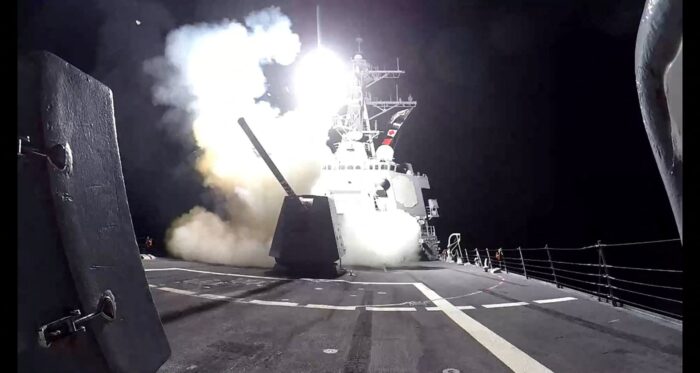
In late December 2025, international attention shifted to Nigeria’s northwest following United States military airstrikes against extremist elements in Sokoto State, authorised under President Donald J. Trump. The highly publicised and controversial operation marks a significant moment in the evolving security relationship between Washington and Abuja, raising critical questions about national sovereignty, foreign military intervention, and the complex drivers of violence in Nigeria.
For more than a decade, Nigeria has grappled with persistent and multifaceted security challenges. These include the Boko Haram insurgency in the northeast, widespread banditry in the northwest, and the growing presence of Islamic State linked groups operating across the Sahel. Collectively, these conflicts have claimed tens of thousands of lives and displaced millions, affecting both Muslim and Christian communities nationwide.
Against this backdrop, U.S. Nigeria security cooperation has expanded steadily, largely centred on intelligence sharing, military training, and counterterrorism assistance. The Sokoto airstrikes represent one of the most visible and militarily significant outcomes of this partnership to date.
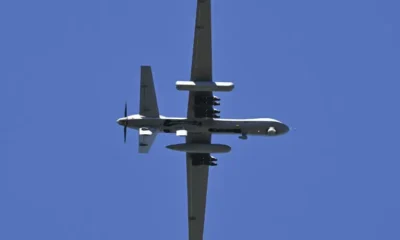
On Christmas Day 2025, U.S. military forces conducted airstrikes on camps allegedly used by Islamic State affiliated fighters in the Bauni forest area of Sokoto State, near Nigeria’s border with Niger. According to official statements, the strikes were precision operations aimed at neutralising extremist operatives believed to be planning cross-border attacks.
President Trump framed the action in stark moral and religious terms, presenting it as a response to ongoing attacks on Christians in Nigeria. This rhetoric resonated strongly with his domestic political base and underscored his administration’s willingness to justify foreign military action through a religious and moral lens. Trump further warned that additional strikes could follow if violence against Christians continued, signalling a potential expansion of U.S. involvement in Nigeria’s internal security challenges.
The Nigerian government characterised the strikes as a coordinated counterterrorism operation conducted with Abuja’s knowledge and approval. Foreign Minister Yusuf Tuggar confirmed that Nigeria provided intelligence support and consented to the operation, stressing that the collaboration reflected shared interests in combating terrorism and safeguarding regional stability.
Prominent leaders in Sokoto State, including Senator and former Governor Aminu Waziri Tambuwal, called for calm and urged residents to avoid panic. They emphasised the importance of protecting civilians while confronting armed groups that threaten public safety and regional security.
Nevertheless, the operation has not been without controversy. Critics within Nigeria and abroad have questioned whether the strikes undermine Nigeria’s sovereignty or signal an overreach of foreign military power. Some commentators have suggested broader geopolitical or economic motivations behind the U.S. action, though such claims remain speculative and lack substantiated evidence.
While Nigerian authorities confirmed cooperation, sceptics argue that the extent and transparency of consent remain unclear. This debate reflects longstanding concerns about balancing effective security partnerships with the preservation of national autonomy.
Trump’s portrayal of the strikes as a defence of Christians advances a powerful political narrative. However, Nigerian officials and independent analysts stress that insecurity in the northwest is driven by a complex mix of factors, including poverty, governance failures, competition over land and resources, and extremist infiltration. Violence in these regions affects communities across religious lines, complicating attempts to frame the conflict solely as religious persecution.
The strikes suggest a renewed U.S. willingness to project military power beyond traditional theatres of engagement. Security experts caution, however, that airstrikes alone are unlikely to resolve Nigeria’s deep-rooted security problems without parallel investments in governance reform, economic development, and community-based conflict resolution.
The Sokoto airstrikes authorised under President Donald Trump represent a significant and contentious milestone in Nigeria’s fight against terrorism and in the evolution of U.S. Nigeria security relations. While the operation reflects shared concerns over violent extremism, it also amplifies unresolved questions about narrative framing, sovereign decision-making, and the long-term effectiveness of foreign military intervention.
As both nations assess the implications of this episode, the path forward will require careful diplomacy, transparent cooperation, and a shared commitment to addressing the root causes of insecurity. Ultimately, sustainable peace in Nigeria will depend not only on military action but on inclusive strategies that protect all citizens regardless of faith from the violence that has scarred communities across the country