Forgotten Dairies
What Nigerians Are Really Using to Score Tinubu -By Adeyemi Temitope Sanya
In the end, this administration will not be judged by the strength of its messaging or the complexity of its reforms. It will be judged by something far simpler: how affordable life becomes for the average Nigerian. That is the only scorecard that truly counts.


Forget the press releases. Forget the long grammar about reforms, reserves, and ratings. The average Nigerian is not grading this government with economic theory. He is grading it with what he pays every single day. That is the real report card.
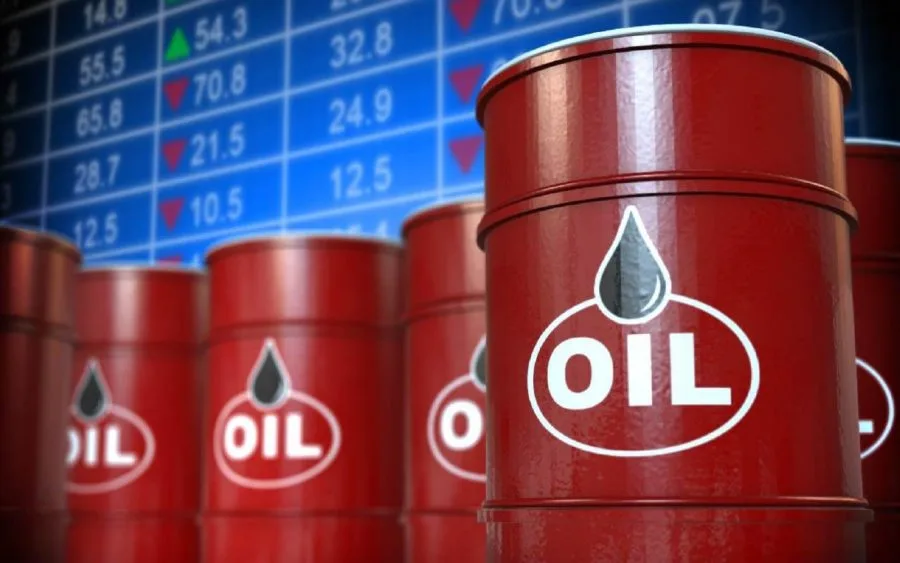
Start with energy. Fuel is now around ₦1,300 per litre. Diesel is pushing close to ₦2,000. Cooking gas is about ₦1,100–₦1,300 per kg in many homes. These are not small movements. These are foundation-shaking numbers. In Nigeria, fuel is not just fuel. It drives transportation, determines food pricing, and keeps small businesses alive. Once fuel moves, everything else follows, and Nigerians have felt it.
Step into any market and the evidence is clear. Prices have adjusted upward. Transport fares have climbed. Even the smallest daily expenses now require thought. What used to be routine has become calculated. Movement is no longer casual; it is planned.
Consider building materials. A bag of cement now sells for about ₦13,000. In a country already struggling with a housing deficit, that figure alone tells a deeper story. For many, the idea of building even a modest home is gradually slipping out of reach.
The more troubling reality, however, is the quiet erosion of the middle class. This was the group that traditionally absorbed economic shocks. They could manage fuel increases, pay rent, handle school fees, and still maintain some level of stability. Today, that cushion is thinning.
Transport costs have risen. Food costs have risen. Energy costs have risen. Income, for the most part, has not kept pace.
So adjustment has become the new normal. Plans are postponed. Spending is cut back. Lifestyles are scaled down quietly, without announcement. It is a silent shift, but it is visible everywhere. The gap between comfort and struggle is narrowing, and many who once stood firmly in the middle are being pushed downward.
On paper, there are positives. Growth projections are improving. International institutions speak of stability and reform. Some macroeconomic indicators are moving in the right direction.
But macroeconomic progress does not put food on the table. It does not pay for transport or refill a gas cylinder. People experience the economy through their daily expenses, not through policy summaries.
Then there is the recurring response to hardship, relief distribution, often in the form of food items like rice. Each time pressure mounts, this becomes the visible intervention. It may offer temporary relief, but it also highlights a deeper issue. An economy that works should reduce the need for periodic handouts. When relief becomes routine, it signals that many are still under strain.
Nigerians are not disconnected from reality. There is an understanding that reforms can be difficult and that certain policy decisions carry short-term pain. But patience is not endless, especially when daily life continues to get more expensive.
What is happening now is familiar. Nigerians are adapting, enduring, and finding ways to cope. That resilience has always been a defining trait. Yet beneath it lies a clear and unavoidable truth. The cost of living has risen sharply. Earnings have not kept up. The pressure is real, even if it is often masked with a smile.
In the end, this administration will not be judged by the strength of its messaging or the complexity of its reforms. It will be judged by something far simpler: how affordable life becomes for the average Nigerian. That is the only scorecard that truly counts.