
Education
A Call to Action: Addressing the Plight of Nigerian Students and Ensuring Educational Integrity -By John Egbeazien Oshodi
Education is a fundamental right, and policies affecting students must be implemented with care and due diligence. The current crisis surrounding degree validation calls for a balanced, evidence-based approach rather than impulsive decision-making. While it is necessary to crack down on fraudulent degrees, it is equally important to protect innocent students from unjust penalties. Through coordinated action, international cooperation, and transparent policies, Nigeria can uphold educational integrity while ensuring that students are not unfairly disadvantaged.

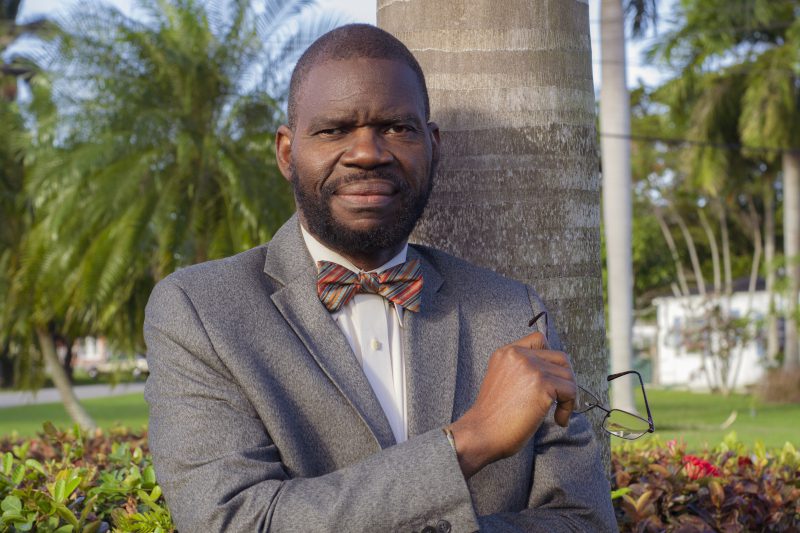
Chairman Hon. Mike Etaba of the House of Representatives Committee on Public Petitions is at the forefront of addressing the pressing concerns surrounding the validation of degrees obtained from universities in Benin Republic and Togo. The committee plays a crucial role in providing a platform for Nigerians to seek redress regarding grievances related to education and other public services. In this case, the focus is on ensuring that Nigerian students who pursued education abroad are treated fairly and that the integrity of the nation’s education system is upheld.
Key Issues Surrounding Degree Validation
- Blanket Rejection of Foreign Degrees
The Nigerian Ministry of Education’s blanket declaration that all degrees obtained from universities in Benin Republic and Togo are fake has raised significant concerns. While there have been cases of degree mills operating in these countries, not all institutions should be judged indiscriminately. Many students genuinely pursued their education in accredited institutions, making the blanket rejection unfair and potentially damaging to innocent individuals who have spent years obtaining their qualifications.
- Corruption in Degree Issuance
There have been credible reports of some institutions in Benin Republic and Togo issuing degrees within weeks or months, raising concerns about academic integrity. These fraudulent practices must be addressed through a rigorous verification process that distinguishes genuine institutions from those engaged in corrupt activities. Strengthening accreditation measures and quality assurance frameworks will help ensure that only reputable universities are recognized.
- The Role of International Cooperation
The validation and recognition of degrees require collaboration with international bodies such as UNESCO, regional education bodies, and foreign governments. Nigeria must work closely with these organizations to establish clear standards for recognizing foreign degrees. By developing bilateral agreements with these countries, Nigeria can ensure that only degrees from credible institutions are accepted while preventing fraudulent practices.
- Protection of Innocent Students
One of the biggest concerns arising from the Ministry of Education’s decision is the plight of innocent students. Many Nigerian students who obtained their degrees through legitimate means are now facing the risk of having their qualifications rendered worthless. The government must ensure that these students are not unfairly penalized and that alternative certification pathways or re-evaluation mechanisms are provided.
- The Need for Fairness and Equity
The approach to degree validation must be transparent, fair, and equitable. Students who have unknowingly studied at institutions later found to be substandard should not be left in limbo. Instead, mechanisms such as standardized assessments, competency tests, or additional coursework could be provided to validate their knowledge and skills.
- Ensuring Transparency and Accountability
Nigeria’s education authorities must establish a clear and transparent process for degree recognition. The criteria for evaluating foreign degrees should be publicly available, ensuring that students, institutions, and employers understand the standards required for recognition. Additionally, oversight mechanisms must be put in place to ensure accountability in the validation process.
The Role of Key Ministries and Government Agencies
To effectively resolve this issue, several government bodies must take coordinated action:
The Ministry of Education must take the lead in developing a robust framework for evaluating and accrediting foreign degrees. Rather than a blanket ban, a structured evaluation process should be implemented.
The Ministry of Foreign Affairs plays a critical role in fostering international educational agreements and ensuring that Nigerian students abroad receive fair treatment.
The House Committee on Public Petitions is essential in ensuring that grievances are addressed and that affected students are given an avenue to seek justice.
The National Universities Commission (NUC) must establish clear accreditation guidelines for recognizing foreign institutions and prevent degree fraud.
Lessons from International Best Practices
To determine the credibility of universities in Benin Republic and Togo, Nigeria can adopt evaluation models similar to those used by countries such as the United States and the United Kingdom.
How the US and UK Measure Foreign University Standards
Institutional Accreditation: Recognized institutions must be accredited by the national accreditation body of their respective countries and must meet international quality assurance benchmarks.
Programmatic Accreditation: Degrees should be accredited by relevant professional bodies such as the Accreditation Board for Engineering and Technology (ABET) for engineering programs or the Association to Advance Collegiate Schools of Business (AACSB) for business degrees.
Quality Assurance Mechanisms: Institutions must adhere to a standardized quality assurance framework, undergo regular audits, and be evaluated by external accrediting bodies.
Faculty Qualifications: Universities must employ qualified faculty members with relevant terminal degrees (PhDs) and industry experience.
Graduate Employability Metrics: Recognition of degrees is often based on the employability of graduates, their success in further studies, and their ability to pass professional certification exams.
International Collaborations: Universities engaged in partnerships with reputable institutions worldwide tend to have stronger credibility.
Transparency in Institutional Operations: Schools must maintain publicly available information regarding their accreditation, faculty, student admissions, and curriculum.
By assessing universities in Benin Republic and Togo based on these internationally accepted standards, Nigeria can ensure a fair and objective evaluation process rather than making hasty generalizations.
The Risks of Impulsive Decision-Making
Nigeria has a history of reacting impulsively to crises, often with sweeping decisions that fail to account for human lives and long-term consequences. The Ministry of Education’s unilateral rejection of all foreign degrees from Benin Republic and Togo exemplifies this reactive approach.
Negative Consequences of Impulsivity in Policy Decisions
Harm to Innocent Students: Thousands of students who obtained legitimate degrees now face career uncertainty, unemployment, and emotional distress.
Wasted Investments: Families who invested in their children’s education are left with no return on their financial sacrifices.
International Backlash: Such decisions could strain diplomatic relations with neighboring countries, affecting economic and educational collaborations.
Reduced Trust in Government Policies: When policies are made impulsively, they create instability and discourage future students from seeking guidance from government agencies.
The Way Forward: A Comprehensive and Balanced Approach
The Committee on Public Petitions, under Chairman Hon. Mike Etaba’s leadership, must adopt a structured and thoughtful approach to resolving this issue. Key recommendations include:
- Establishing a Rigorous Verification System
Rather than an outright rejection, a proper verification system should be developed to assess the credibility of degrees from foreign institutions. A special task force should be established to investigate degree fraud while protecting legitimate students.
- Providing Alternative Certification Pathways
Students with degrees from affected universities should be given a chance to validate their knowledge through standardized assessments, professional licensing exams, or additional coursework.
- Strengthening Accreditation Processes
Nigeria must strengthen its foreign accreditation procedures by collaborating with reputable international organizations such as UNESCO, the African Union Commission on Education, and the West African Examination Council (WAEC).
- Engaging in Bilateral Agreements
The Ministry of Foreign Affairs should engage with the governments of Benin Republic and Togo to develop bilateral agreements ensuring that Nigerian students enroll only in accredited institutions.
- Transparency and Public Awareness Campaigns
The government must publish a list of recognized foreign universities and provide guidelines for students seeking education abroad to prevent future incidents of degree fraud.
Conclusion
Education is a fundamental right, and policies affecting students must be implemented with care and due diligence. The current crisis surrounding degree validation calls for a balanced, evidence-based approach rather than impulsive decision-making. While it is necessary to crack down on fraudulent degrees, it is equally important to protect innocent students from unjust penalties. Through coordinated action, international cooperation, and transparent policies, Nigeria can uphold educational integrity while ensuring that students are not unfairly disadvantaged. Chairman Hon. Mike Etaba and the Committee on Public Petitions must continue their vital work to ensure that Nigerian students receive the recognition and justice they deserve.
Oshodi Open Door, also known as Oshodi Open Door Public Training (OOPDT, pronounced opidt), is a public awareness initiative promoting transparency, accountability, and integrity in Africa through educational articles and resources at jos5930458@aol.com, and offers specialized Timely Response Solutions (TRS) training at minimal or no cost.
John Egbeazien Oshodi is an American psychologist, educator, and author. Born in Uromi, Edo State, Nigeria, he is the son of a 37-year veteran of the Nigeria Police Force. Professor Oshodi is an expert in cross-cultural psychology, forensic/clinical psychology, police and prison science, and social justice.
He has made significant contributions to forensic psychology, introducing it to Nigeria in 2011 through the National Universities Commission (NUC) and Nasarawa State University. Professor Oshodi has taught at several institutions, including Florida Memorial University, Florida International University, and Nova Southeastern University.
Currently, he serves as a government consultant for forensic-clinical psychological services in the USA and practices as a clinical and forensic psychologist. He also holds virtual faculty roles at Walden University, Weldios University and other institutions. Professor Oshodi has authored numerous publications and founded the Psychoafricalysis theory in psychology.






















You must be logged in to post a comment Login