Forgotten Dairies
Beyond Equal Pay: The Persistent Reality of Gender Inequality in the Workplace -By Innocent Ibrahim
As societies continue to evolve, the conversation about gender inequality is no longer just about fairness. It is about creating workplaces where every individual has an equal chance to succeed, contribute, and lead. Until that goal is fully achieved, the pursuit of workplace equality will remain an important challenge for organizations and communities around the world.

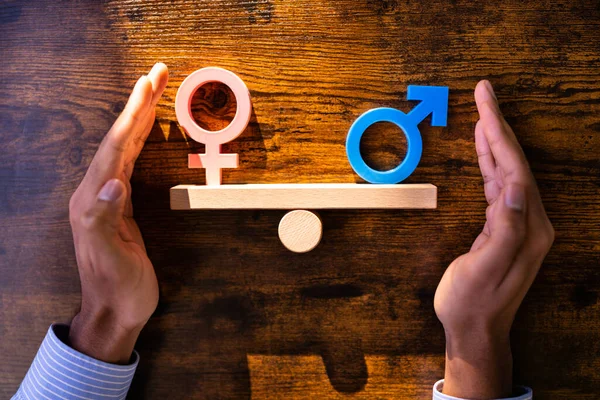
For decades, workplaces around the world have undergone significant transformation. More women are entering professional careers, occupying leadership positions, and contributing to economic growth than ever before. Yet beneath these visible signs of progress lies a reality that continues to shape the experiences of millions of workers: gender inequality.
Gender inequality in the workplace refers to the unequal treatment, opportunities, and outcomes experienced by individuals based on their gender. While laws and policies promoting equality have expanded over the years, disparities in wages, career advancement, representation, and workplace experiences remain a challenge across many sectors.
Historically, professional environments were largely designed around patriarchal structures that favored men. Women were often confined to limited roles and excluded from positions of influence and decision-making. Although the modern workplace has become more inclusive, many of the barriers that restricted women’s participation have not disappeared completely; rather, they have evolved into more subtle forms.
One of the most widely discussed examples of workplace inequality is the gender pay gap. Across many countries, women continue to earn less than men for comparable work and qualifications. While the reasons vary, factors such as workplace bias, unequal access to opportunities, and differences in salary negotiations often contribute to the disparity. The result is a persistent gap that affects women’s financial security and long-term career development.
Another challenge is occupational segregation. Certain industries and professions continue to be dominated by one gender. Women are often concentrated in sectors such as education, healthcare, and caregiving, while men remain more represented in higher-paying fields such as engineering, technology, and construction. This imbalance not only influences earnings but also shapes perceptions about which careers are considered suitable for men or women.
Beyond recruitment and pay, many women encounter barriers when seeking leadership positions. This phenomenon, commonly referred to as the “glass ceiling,” describes the invisible obstacles that prevent qualified individuals from advancing to senior roles. Despite possessing the necessary skills and experience, women are frequently underrepresented in executive offices, boardrooms, and other key decision-making positions.
The roots of gender inequality are deeply connected to cultural expectations and social norms. In many societies, traditional beliefs continue to influence perceptions of leadership, competence, and professional responsibility. Women are often expected to balance careers with greater caregiving responsibilities, creating additional pressures that can affect career progression.
The consequences of workplace inequality extend beyond individual employees. For organizations, failing to create equal opportunities can result in the loss of valuable talent, reduced diversity of thought, and lower levels of innovation. Research has consistently shown that inclusive workplaces benefit from broader perspectives, stronger decision-making, and improved organizational performance.
Addressing gender inequality requires action from governments, organizations, and society as a whole. Equal pay policies, transparent promotion processes, mentorship programs, and flexible work arrangements can help create fairer workplaces. Equally important is the need to challenge stereotypes that limit opportunities and reinforce outdated assumptions about gender roles.
While significant progress has been made, true workplace equality remains a work in progress. The goal is not simply to increase representation but to ensure that opportunities, rewards, and professional growth are determined by ability and performance rather than gender.
As societies continue to evolve, the conversation about gender inequality is no longer just about fairness. It is about creating workplaces where every individual has an equal chance to succeed, contribute, and lead. Until that goal is fully achieved, the pursuit of workplace equality will remain an important challenge for organizations and communities around the world.
Innocent Ibrahim
Department of Mass Communication
University of Maiduguri.