Africa
Bob Marley, ASUU and the Poetics of Liberation -By Patrick Iwelunmor
Ride Natty Ride is at once elegy and exhortation, a poetic lens through which Nigeria’s academic challenges can be understood and with commitment and vision, ultimately resolved. The anthem reminds all stakeholders that liberation is not given; it is claimed through courage, endurance, principled action and sustained systemic reform. In this, Marley’s poetics and ASUU’s advocacy converge: both insist that dignity, knowledge and opportunity are non-negotiable pillars of a free and flourishing society.

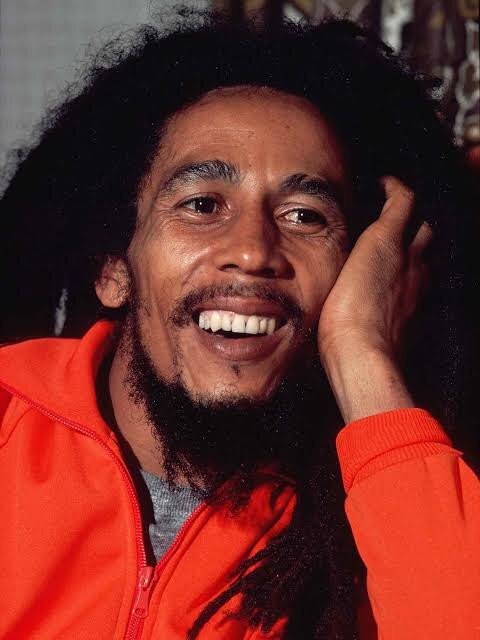
Bob Marley’s music has always been more than melody and rhythm. It is a manifesto of resilience, a poetic insistence on dignity, and a testament to the enduring human spirit in the face of injustice. Among his works, Ride Natty Ride stands out as a hymn to steadfastness, a call to endure, persist, and resist forces that seek to diminish one’s worth. In contemporary Nigeria, this anthem finds uncanny resonance in the recent developments surrounding the Academic Staff Union of Universities and the Federal Government. In October, ASUU called off a two-week warning strike that it observed from the 13th to the 22nd, a moment that offered both relief and reflection for the nation’s higher education sector. It was a reminder that struggle, when guided by principle and patience, can coexist with dialogue, hope, and pragmatic reform.

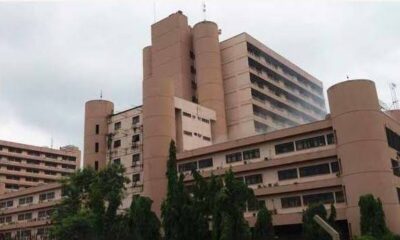
The decision by ASUU to suspend the warning strike demonstrates strategic and principled engagement. Lecturers, researchers, and professors, custodians of knowledge and nation-building, continue to embody what Marley’s Natty represents: resilience, courage, and a refusal to compromise the dignity of their profession. Industrial action by academic staff is often misrepresented in public discourse as obduracy – what Christopher Okigbo calls “the disease of elephants.” In reality, it is an affirmation that intellectual labour in Nigeria must be recognised, respected, and supported. The union’s measured response reflects a careful balancing act: advocating for the rights of lecturers while remaining open to constructive engagement with the authorities.
The Federal Government’s recent loan schemes for lecturers and students are developments worthy of commendation. While they cannot erase decades of structural neglect, they provide essential financial support and recognition for the sacrifices of those committed to scholarship. Access to this scheme can ease personal financial pressures and allow greater focus on teaching and research. For students, the initiative promises relief from mounting tuition debts and accommodation challenges, offering a lifeline for learners who might otherwise be forced to abandon their studies. This is not a panacea, but it is a tangible indication that dialogue and practical action can intersect to advance the cause of academic dignity.

The human cost of disrupted academic activity remains profound. Students face interrupted calendars, delayed graduations, and the anxiety of uncertain futures. Postgraduate students often struggle to fund their research and living expenses, relying on part-time work or family support to sustain their studies. Lecturers contend with underfunded infrastructure, poorly equipped laboratories, and stagnant remuneration, yet continue to shoulder immense responsibilities in shaping minds and producing knowledge. In these conditions, Marley’s call to ride becomes a metaphor for endurance: the moral courage to persist in the pursuit of justice and the preservation of institutional integrity.
ASUU’s advocacy is ultimately about safeguarding the soul of Nigerian universities. Institutions of learning, when neglected, risk becoming factories of mediocrity rather than crucibles of innovation. This reality carries consequences far beyond campuses. Nigeria’s scientific advancement, technological development, and creative industries all rely on robust universities capable of producing knowledge, nurturing talent, and fostering critical thought. Marley’s poetics of liberation illuminate this truth: persistence must meet accountability, and the courage of educators must compel government action. Without structural reform, the moral courage of lecturers alone cannot sustain academic excellence.
Marley’s Natty spirit celebrates collective resilience. In Ride Natty Ride, endurance is never solitary; it is shared, communal, and strategic. Across universities, lecturers unite to defend principles that transcend individual interests. They articulate a vision of education as a public good, a space where intellect is nurtured, research flourishes, and young minds are empowered to shape society. The suspension of the warning strike is not merely a procedural development. It is a moral affirmation that the union will continue to defend academic integrity while creating space for dialogue and constructive resolution. It demonstrates that collective resilience can be matched by strategic negotiation, a lesson that resonates deeply in Marley’s poetics of liberation.
The consequences of stalled negotiations or neglected institutions are profound. Research slows, innovations stall, and students’ career paths are disrupted. Laboratories remain half-equipped, libraries lack essential journals, and lecture theatres fail to provide the conducive environment necessary for learning. The risk of brain drain intensifies as lecturers and graduates seek opportunities abroad where their expertise is recognised, their contributions valued, and their work supported. Marley’s message in Ride Natty Ride is instructive: endurance is virtuous, but it must be met with structural reform and sustained investment. Without meaningful government action in universities, education, and infrastructure, Nigeria cannot hope to retain its intellectual capital or fully realise the promise of its human resources.
The human stories of this struggle are both inspiring and tragic. Young lecturers speak of juggling research, teaching, and personal survival while waiting for salary arrears to be paid. Many postgraduate students recount how the burden of funding research and living expenses often forces them into part-time work, compromising the quality of their scholarship. Across the country, academic staff endure long commutes in unsafe conditions, yet continue to mentor the next generation. These narratives are not anomalies. They are the lived realities of those whom Marley’s poetics speak to: resilient, dignified, and steadfast in the pursuit of liberation.
Marley’s poetics of liberation frame struggle as both moral and creative. Ride Natty Ride is not a passive call. It is an exhortation to assert dignity, resist subjugation, and persist in the pursuit of justice. ASUU’s recent actions exemplify this poetics. The union insists that universities be spaces of empowerment and intellectual freedom. Its advocacy is both literal and symbolic: a reminder that knowledge is not a luxury but a national necessity. Lecturers endure systemic neglect not out of obstinacy but out of conviction that education is sacred, that the intellectual backbone of the nation must be preserved, and that Nigeria’s progress is inseparable from the wellbeing of its educators.
The anthem underscores the inseparability of endurance and hope. Despite decades of neglect and frustration, ASUU continues to advocate, negotiate, and resist. Lecturers demonstrate that the pursuit of justice and the defence of institutional integrity are not fleeting gestures but enduring commitments. Marley’s poetics remind us that liberation requires courage, collective endurance, and moral clarity, qualities that ASUU consistently exhibits.
At the same time, the temporary resolution of the warning strike demonstrates that practical engagement can yield results. The government’s recognition of the union’s concerns through financial initiatives and dialogue shows that constructive negotiation can complement principled resistance. It is a lesson in the poetics of liberation itself: persistence must meet pragmatism, hope must intersect with responsibility, and courage must align with strategy.
Ultimately, Ride Natty Ride serves as both mirror and compass. It reflects the challenges facing Nigerian universities, decades of underfunding, strikes, and neglect, while pointing toward the possibility of renewal. It reminds the nation that lecturers and students are essential architects of society. It challenges policymakers to move beyond rhetoric, to invest in institutions, and to restore the trust necessary for a productive social contract.
Marley’s voice is a poetic summons: endurance must meet responsibility, and resilience must be met with reform. ASUU’s measured approach exemplifies a broader truth. Nations are built not merely on resources or policies but on the minds and moral courage of those who teach, research, and innovate. If Nigeria heeds this call, it can transform the poetics of liberation into tangible educational and societal advancement.
Ride Natty Ride is at once elegy and exhortation, a poetic lens through which Nigeria’s academic challenges can be understood and with commitment and vision, ultimately resolved. The anthem reminds all stakeholders that liberation is not given; it is claimed through courage, endurance, principled action and sustained systemic reform. In this, Marley’s poetics and ASUU’s advocacy converge: both insist that dignity, knowledge and opportunity are non-negotiable pillars of a free and flourishing society.