Breaking News
Export Focus, Poor Infrastructure Driving Cooking Gas Scarcity and Higher Prices — Experts
Experts warn cooking gas prices could keep rising as domestic demand outpaces supply despite Nigeria’s vast gas reserves and growing output.

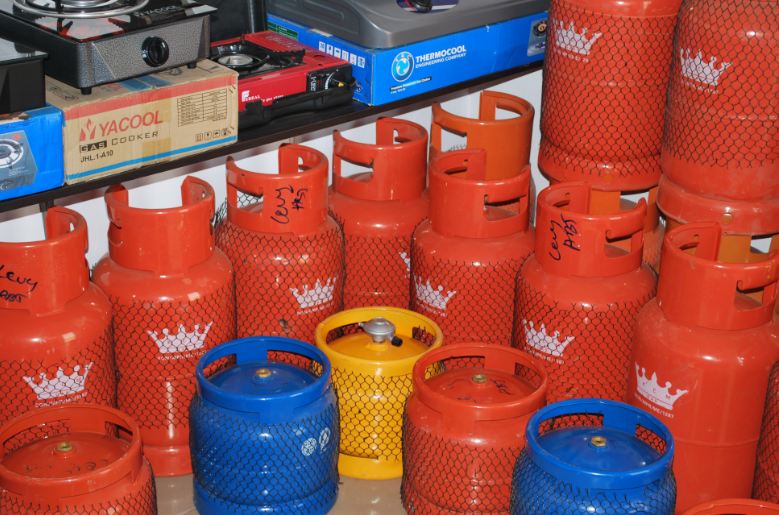
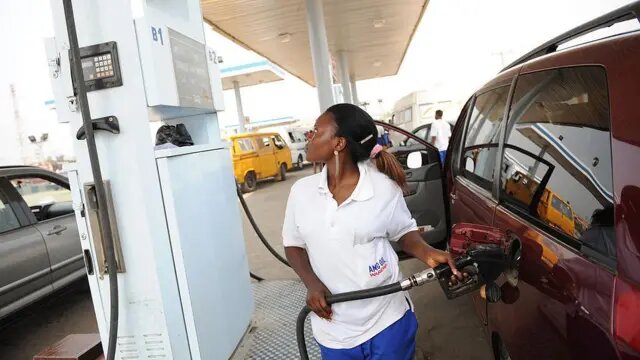
Nigeria’s cooking gas market is facing increasing pressure as rising demand, inadequate infrastructure and a strong focus on exports continue to limit domestic supply and push prices upward.
Although the country holds Africa’s largest proven gas reserves and has recorded growing production levels, consumers are struggling with shortages of Liquefied Petroleum Gas (LPG) and rapidly rising costs.
Financial Vanguard findings revealed that many producers continue to prioritise export markets over local demand.
Figures from the Nigerian Upstream Petroleum Regulatory Commission (NUPRC) show that 62 per cent of Nigeria’s gas output in the first two months of the year was exported, while only 38 per cent was supplied to the domestic market.
Analysts say this imbalance is becoming increasingly unsustainable as more Nigerians adopt LPG for household and commercial use.
Supply Growth Fails to Match Demand
According to the Nigeria LPG Production & Supply Matrix (2023–2026) report, national cooking gas consumption increased from 1.5 million metric tonnes in 2023 to 1.8 million metric tonnes in 2026.
By comparison, total national supply is estimated at between 1.55 million and 1.65 million metric tonnes, creating a significant supply gap.
The report observed that the sector has undergone major changes, with domestic refineries and gas-processing facilities playing a larger role in supply.
“The Nigerian LPG market has undergone a major structural transformation between 2023 and 2026,” the report stated.
It noted that operators such as Dangote Refinery, inland gas processors and NNPCL-linked facilities have boosted local output, but demand is still expanding faster than supply.
Consequently, retail prices have climbed sharply, reaching between N1,700 and N2,000 per kilogramme in many locations nationwide.
Why Supply Remains Constrained
Industry experts identified a combination of factors behind the persistent shortages, including poor infrastructure, inadequate storage capacity, pipeline vandalism, insecurity, weak investment, exchange-rate volatility and continued gas flaring.
One industry stakeholder explained that Nigeria lacks sufficient infrastructure to gather, process, store and transport gas efficiently across the country.
“Many producers prefer exporting gas through LNG projects because export markets offer more attractive pricing and stable foreign exchange earnings than the domestic market,” he said.
He also highlighted the impact of crude oil theft, attacks on pipelines and insecurity in the Niger Delta, which frequently disrupt production and transportation activities.
The expert added that delays in investment and regulatory uncertainties have slowed the development of critical gas projects needed to improve domestic supply.
Marketers Warn of Growing Hardship
The Nigerian Association of Liquefied Petroleum Gas Marketers (NALPGMA) warned that the crisis is creating serious challenges for households and businesses.
According to the association’s National President, Barrister Edu Inyang, and Executive Secretary, Bassey Essien:
“Our members across the country face challenges sourcing LPG due to persistent supply shortages, high depot prices, logistics bottlenecks and rising operational costs.”
They said many consumers can no longer afford cooking gas and are turning back to charcoal and firewood despite the environmental and health risks.
The association further warned:
“If urgent and coordinated action is not taken immediately, the current crisis could worsen food inflation, trigger job losses, reduce investor confidence and undermine Nigeria’s clean energy and climate commitments.”
No Immediate Relief in Sight
Experts believe the challenges affecting the LPG market will not be resolved quickly.
OGSPAN President Mazi Colman Obasi said poor infrastructure and inadequate investment require substantial funding and years of sustained implementation.
“The outlook is not bright in the short and medium term,” he said.
While acknowledging increased contributions from NLNG, Dangote Refinery, Seplat, Greenville and other producers, experts maintained that Nigeria must expand processing facilities, build more storage terminals and strengthen domestic supply policies.
Analysts warned that without aggressive reforms and investment, the country could continue facing cooking gas shortages despite its abundant gas reserves.
Meanwhile, National Bureau of Statistics data showed that cooking gas prices have climbed from N400 per kilogramme in 2016 to N1,741 per kilogramme in 2026, representing a 335 per cent increase over the decade.
Africans Angle News