Breaking News
Crude Oil Hits $100, Raising Fears of Fresh Fuel and Food Price Increases in Nigeria
Nigeria could see another wave of inflation as crude oil rises above $100 per barrel, with experts warning of higher petrol prices and increased living costs.

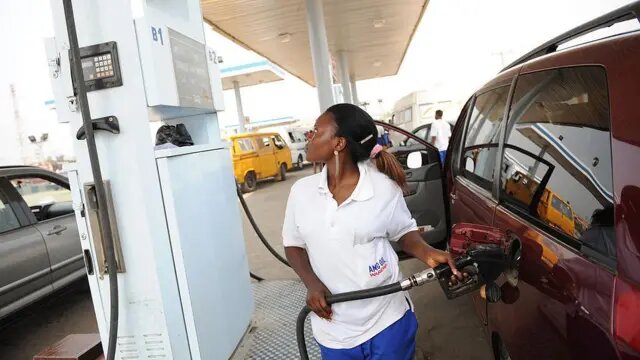
Nigeria may soon experience another round of rising living costs after crude oil prices climbed above $100 per barrel, sparking concerns about increases in petrol prices, transportation costs and food prices.
The sharp rise follows growing tensions between the United States and Iran, with fears that the Middle East crisis could disrupt global oil supplies. Nigeria’s Bonny Light crude has now crossed the $100-per-barrel threshold for the first time since May.
While the development could significantly increase government revenue, economists caution that consumers are more likely to feel the impact through higher fuel prices in Nigeria’s deregulated petroleum market.
The Federal Government’s 2026 budget was prepared using a crude oil benchmark of $64.85 per barrel, oil production of 1.84 million barrels per day, and an exchange rate of N1,400 per US dollar.
At current market prices, Nigeria is earning approximately $35 more per barrel than projected. However, the country’s output remains below budget expectations, with the NUPRC putting current production at around 1.7 million barrels daily, including condensate.
Higher international crude prices are expected to increase the cost of imported fuel, leading marketers to adjust pump prices upward. The ripple effects could include higher transport fares and increased prices of food and other essential goods.
Managing Director of Petroleumprice.ng, Jeremiah Olatide, said: “With the resumption of loading by Dangote Petroleum Refinery in naira at N1,215 per litre on Wednesday, we expected fuel importers to reduce prices, and some actually did. However, the sudden spike in crude oil prices due to the Middle East crisis has disrupted that trend. We should expect more price instability in the coming weeks.”
Similarly, OGSPAN National President, Mazi Colman Obasi, cautioned: “The implications will be far-reaching for households, businesses and the wider economy once operators across the value chain adjust their prices.”
Data from Petroleumprice.ng indicates that although some depots had lowered loading prices before the latest oil price surge, filling stations in Lagos and nearby areas currently sell petrol for between N1,300 and N1,400 per litre, depending on location.
Africans Angle News