
National Issues
From Frying Pan To Fire As NNPCL Raises Petrol Pump Price, by Isaac Asabor


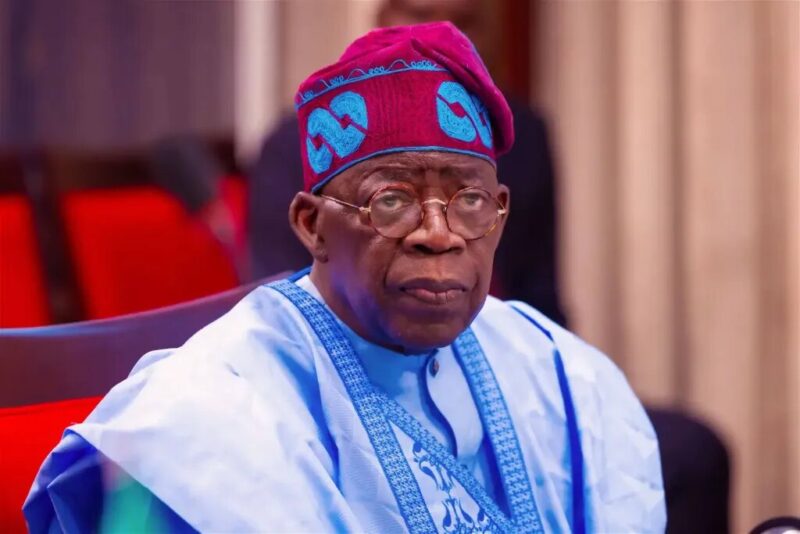
Since President Bola Ahmed Tinubu assumed office on May 29, 2023, the economic hardships faced by Nigerians have only intensified. While the populace was already grappling with the rising cost of living and dwindling purchasing power, recent developments have exacerbated the situation, leaving many wondering if the nation’s plight has gone from bad to worse, from frying pan to fire.
The latest blow came as the Nigeria National Petroleum Company Limited (NNPCL) increased the pump price of petrol yesterday, from ₦568 to ₦855, ₦897 (depending on the location per litre). The move has no doubt sent shockwaves through every sector of the economy, and kept tongues wagging, even as people have begun to ask if President Tinubu-led government has a human face. For a country where transportation costs dictate the price of virtually every good and service, this increase feels like an unforgivable betrayal to a populace already on its knees.
It will be recalled that when Tinubu took office, there was a glimmer of hope that his administration would bring relief to millions of Nigerians struggling under the weight of inflation, unemployment, and poverty. However, instead of easing the burden, the government’s policies have only deepened the crisis. The removal of fuel subsidies, which many saw as necessary for long-term economic stability, has had immediate and painful consequences. Prices of goods and services have skyrocketed, and the daily life of the average Nigerian has become a test of endurance.
In fact, the recent gasoline price hike feels like the final straw for many Nigerians. Public transportation costs have surged, making it even more difficult for workers to commute, while businesses that were already grappling with higher operational costs are now in for a bigger challenge. This domino effect is expected to push more Nigerians into poverty, further widening the gap between the rich and the poor.
The federal government’s justification for the increase has been met with skepticism and anger. Officials argue that the hike is necessary to stabilize the economy and reduce the burden of subsidies on government finances. For instance, Mr. Bayo Onanuga, Special Adviser, Information and Strategy to President Tinubu has defended the increase, which took effect on September 3, 2024, bringing the average cost to N897 per liter. He suggested that relief may come with the operationalization of the Dangote Refinery and other local refineries, which could help stabilize fuel prices in the long run.
However, for the millions of Nigerians who can barely afford a meal, this explanation rings hollow. The question on everyone’s mind is: How much more can we endure?
In fact, the sense of frustration and helplessness is palpable. Many are beginning to question whether this government understands the realities on the ground or if it is completely out of touch with the daily struggles of the masses. The perception is that while the elite continue to live comfortably, the rest of the country is being pushed closer to the brink.
As Nigerians brace for even tougher times ahead, one cannot help but wonder if the worst is yet to come. The phrase “from frying pan to fire” seems apt to describe the current situation, each new policy, instead of alleviating the suffering, only seems to add fuel to the fire.
The federal government must urgently reassess its approach and consider the immediate needs of the people. Otherwise, the social fabric of the nation could unravel, leading to unrest and instability. The question remains: how much more will Nigerians be asked to endure before their voices are truly heard?
Without a doubt, the sudden increase in petrol prices yesterday in Nigeria is a stark reminder of the government’s insensitivity to the plight of its citizens. For many Nigerians, who are already struggling under the weight of economic hardships, this hike feels like being pushed from the frying pan into the fire. The cost of living has skyrocketed in recent months, with basic necessities becoming increasingly unaffordable for the average person. This latest move by the government only deepens the despair, further eroding the public’s trust in their leaders.
This price increase, coming at a time when the country is grappling with inflation and high unemployment rates, shows a lack of empathy and a disregard for the well-being of the people. The government’s decision to raise fuel prices without providing any cushioning measures or alternatives for the populace demonstrates a lack of a human face in policymaking. It suggests that the government is more concerned with balancing its books than with the daily struggles of the citizens, who are now forced to choose between fuel and food.
The voices of ordinary Nigerians reflect the widespread anger and frustration. “This is not governance; it is punishment,” says Chukwudi, a commercial bus driver in Lagos. “How do they expect us to survive when everything is going up except our income?” Another resident, Fatima, a small business owner at Ogba, in Ikeja, Lagos, laments, “We voted for change, but what we got is suffering. The government is pushing us to the brink.” These sentiments are echoed across the country, where many feel abandoned by those in power.
The consequences of this price hike are far-reaching. Transportation costs will rise, affecting the prices of goods and services nationwide. Small businesses, already struggling to stay afloat, may be forced to close, leading to further job losses. The ripple effect will undoubtedly exacerbate the existing economic challenges, making it even harder for the average Nigerian to make ends meet. The government’s actions seem to be pushing the country towards a breaking point, where the social fabric could be torn apart by widespread discontent.
In light of these developments, it is clear that the government needs to urgently reassess its approach. There is a need for policies that are not only economically sound but also socially responsible. Nigerians deserve a government that listens to their concerns and makes decisions with a human face. The current trajectory is unsustainable and, if not addressed, could lead to even greater unrest and instability in the country.
















You must be logged in to post a comment Login