National Issues
Hunger Protests: Sad, As Kano Rocks The Boat!, by Isaac Asabor


There is no denying the fact that the youth uprising that characterized the ongoing hunger protests in its first day in Kano is unarguably sad, and that it demands an urgent action against hunger and hardship.
In a powerful display of frustration and discontent, hundreds of young people took to the streets of Kano State today, August 1, 2024, demanding urgent action to address hunger and economic hardship. The protests, which have gained national attention, highlight the growing crisis faced by citizens in the face of rising food prices and economic challenges.
In fact, as the sun rose over Kano, the ancient city came alive with the voices of protesters. Carrying flags and cardboard signs, the youth marched through the streets, their chants echoing off the walls of government buildings. Their messages were clear: “End Bad Governance,” “Bring Back Our Fuel Subsidy,” and “Open the Border.”
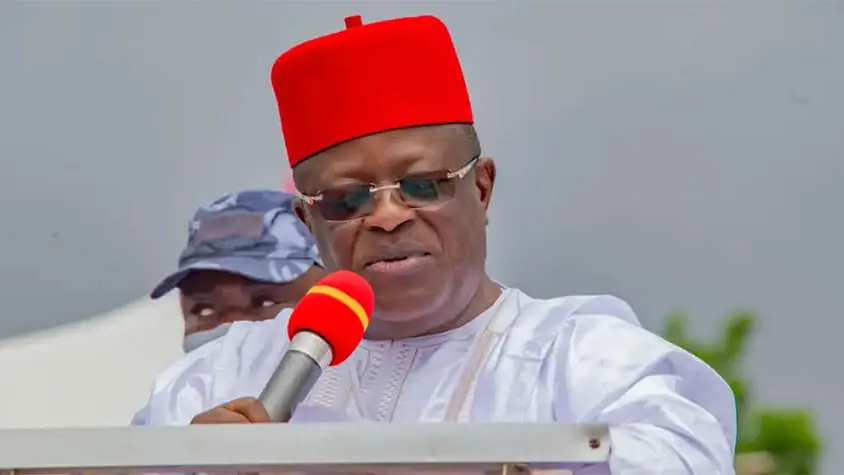
Governor Abba Yusuf addressed the situation, urging residents to maintain peace during and after the protests. Speaking at the Government House, he emphasized that while citizens have the right to protest, they should refrain from actions that could be exploited by troublemakers. The governor extended an invitation to demonstrators to engage in constructive dialogue, emphasizing that social media abuse of leaders would not help achieve their goals.
Kano State, once known for its vibrant markets and bustling trade, now grapples with food scarcity and economic instability. Rising inflation rates, fuel shortages, and border closures have left many families struggling to put food on the table. The hunger protests serve as a wake-up call for leaders to address these pressing issues and prioritize the well-being of their citizens.
As the protests continue, it is crucial for both government officials and citizens to find common ground. Dialogue, transparency, and effective policies are essential to alleviate the suffering of Kano’s residents. The youth have spoken, and their voices demand action. It is time for Kano to chart a new course, one that leads away from hunger and towards prosperity.
At this juncture, it is expedient to conjecture that the hunger crisis in Kano State has multifaceted causes, impacting citizens’ well-being. In fact, exploring some key factors reveals that Kano’s food production heavily relies on rain-fed agriculture, and that delayed or insufficient rainfall affects crop yields, leading to food shortages.
In fact, not a few people were unperturbed over the violence that characterized the first day of the ongoing hunger protest in Kano as the city is not new to literarily hosting crisis situation, and not only that, the rising inflation rates, fuel shortages, and border closures have no doubt contributed to economic instability that remotely fueled the crisis, particularly as it is making it difficult for families to afford food.
Given the retrogressive experience, it is not out of place to opine that responsible leadership is crucial, and that citizens in the city, the same way citizens in other part of Nigeria are demanding better governance, transparency, and policies that prioritize their well-being as Protests serve as a wake-up call for action.
Without a doubt, addressing these root causes requires collaborative efforts from government, communities, and organizations to ensure food security and alleviate hunger in Kano State.
In fact, in the ongoing hunger protest, which unarguably was to some extent peacefully observed in other parts of the country was violently demonstrated in Kano as wave of protests was recorded in the ancient city, fueled by citizens’ frustration with governance and economic challenges. While the protest in other parts of Nigeria, particularly in the entire Southern regions was reported to have been relatively peaceful, Kano, the bustling commercial hub in the north, took a disheartening turn into violence.
Initially, the #EndbadgovernanceinNigeria protest in Kano mirrored the peaceful scenes seen elsewhere. Citizens gathered, voicing their demands for accountability, transparency, and responsible leadership. Their chants echoed across the city, resonating with the broader national sentiment.
However, as the sun dipped below the horizon, tensions escalated. Some youths, fueled by frustration and desperation, took to the streets with weapons. Chaos erupted, and what was once a peaceful assembly turned into a scene of looting, destruction, and violence.
Reports indicate that protesters targeted a yet-to-be-commissioned industrial park belonging to the Nigeria Communication Commission (NCC). Teenagers, their faces masked by anger and determination, looted furniture and desktops from the facility, thereby turning the very symbol of progress to a casualty of the unrest.
In front of the state governor’s house, protesters set alight tires, creating a bonfire. Gunshots rang out, leaving four wounded individuals rushed to hospitals. The hunger for change had transformed into a hunger for survival, and the streets of Kano bore witness to this tragic shift.
Given the foregoingbackdrop, we must reflect on the implications of this violent turn. What drives citizens to wield weapons against each other? How can peaceful movements devolve into chaos? And what role does responsible leadership play in preventing such tragedies?
In fact, Kano’s descent from peaceful protest to violence serves as a stark reminder of the fragility of civil discourse. As we read about these events in this context, let us advocate for dialogue, empathy, and a commitment to peaceful change. Only then can we hope to transform disappointment into progress for Nigeria and its people.