Forgotten Dairies
Insecurity: A Nation Crying in the Darkness -By Abdulsamad Danji Abdulqadir
Nigeria’s future depends on trust between the government and the people. That trust can only grow when leaders listen to the concerns of citizens and take firm, lawful, and effective action against those who threaten the peace and security of the nation.

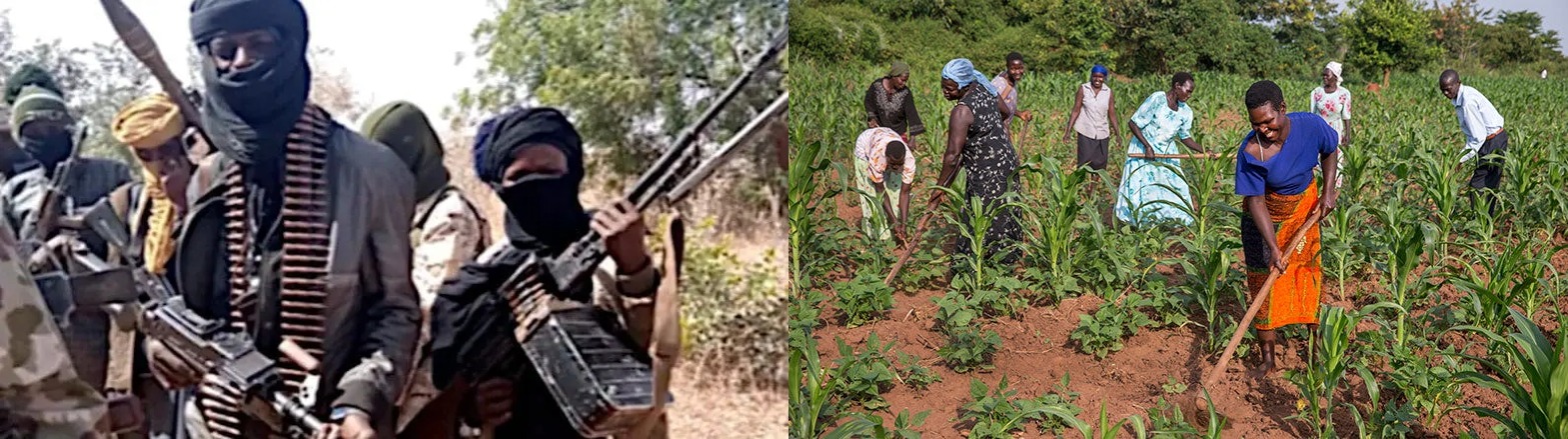
Nigeria today is passing through a difficult and painful period in its history. Across many parts of the country, innocent citizens live in fear because of rising insecurity. Kidnappers abduct travelers and villagers. Armed bandits invade communities, burn houses, and kill residents. Families are displaced, children are left orphaned, and entire villages are turned into places of sorrow and fear.
Terrorist groups such as Boko Haram and Islamic State West Africa Province continue to launch attacks in different parts of Northern Nigeria. In many rural areas, farmers cannot safely go to their farms, traders are afraid to travel on highways, and ordinary citizens wake up every day uncertain about what the next moment may bring.
For many Nigerians, the most painful part of this situation is the feeling that not enough decisive action has been taken to stop the violence. Communities continue to bury their loved ones while insecurity spreads like a shadow over the land.
Yet, something troubling happens when citizens decide to speak about these issues.In a democratic society, people should have the freedom to express their concerns and criticize their leaders without fear. Constructive criticism is not a crime; it is a vital part of democracy. However, there have been cases where individuals who spoke out faced consequences.
For instance, Islamic cleric Salihu Zaria reportedly faced suspension from preaching after criticizing government policies. In another case, a military personnel who openly stated that government leaders should also send their own children to join the military so they can understand the sacrifices soldiers make was reportedly detained.
These incidents raise serious questions. When citizens speak out about the suffering of the people, they sometimes face punishment or disciplinary action. But when kidnappers and bandits attack villages, burn houses, and take innocent lives, the response often appears slow or ineffective.
This creates a painful contradiction in the minds of many Nigerians.
Why does speaking out become a bigger issue than the crimes themselves?
Citizens watch as communities are destroyed by criminals, yet those who demand accountability may be silenced. This situation has created deep frustration among many Nigerians who simply want their voices to be heard and their lives protected.
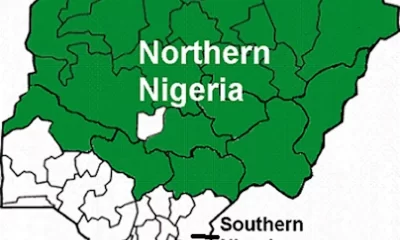
Another controversial issue emerged when the National Security Adviser, Nuhu Ribadu, suggested that dialogue could be part of the solution to insecurity in Northern Nigeria, often referred to as Arewa. According to this idea, the government might negotiate or engage in discussions with armed groups in order to reduce violence.
While some people believe dialogue can sometimes help resolve conflicts, many citizens strongly question this approach. They ask whether criminals who kidnap innocent people, demand ransom, burn homes, and kill villagers should be treated as negotiating partners rather than criminals who must face justice.
For families who have lost loved ones to kidnappers and terrorists, the idea of negotiating with such groups can feel deeply painful and unfair. Many believe that the government’s first responsibility should be to protect its citizens and ensure that those who commit such crimes face the full force of the law.
The truth is that insecurity has already weakened the trust between many citizens and the institutions meant to protect them. Every attack, every kidnapping, and every destroyed community deepens that frustration and despair.
What Nigerians want is simple. They want to travel without fear of being kidnapped. They want farmers to return safely from their farms. They want children to go to school without the threat of terrorist attacks. Most importantly, they want to live in a country where criminals are punished and innocent citizens are protected.
A strong nation is not built only by the power of its leaders but also by the voices of its people. When citizens speak about injustice, insecurity, or poor leadership, it should be seen as a call for improvement, not as a crime.
Nigeria’s future depends on trust between the government and the people. That trust can only grow when leaders listen to the concerns of citizens and take firm, lawful, and effective action against those who threaten the peace and security of the nation.
Until that happens, the cry of the people will continue to echo across the land a cry of pain, frustration, and hope.
It is the cry of a nation crying in the darkness.