
National Issues
Insecurity is Not Just a Headline, It’s a Broken Trust -By Great Evi Ameh
Insecurity will not end with one press conference or one military operation. It will end when we decide that every Nigerian life matters more than politics, more than tribe, more than money.

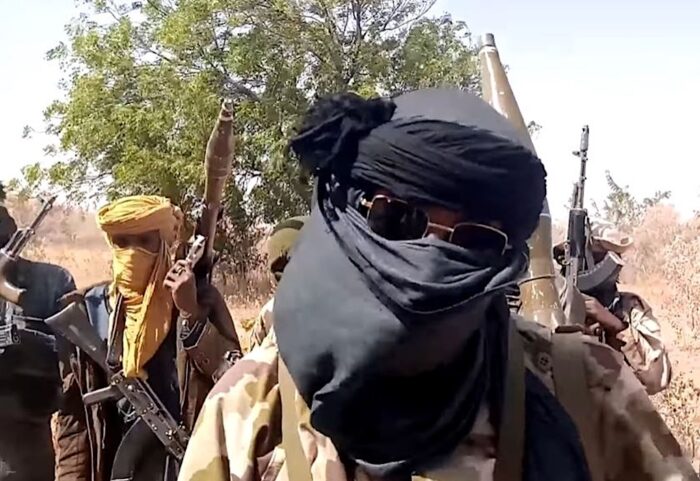
Another day, another alert. “Gunmen attack village.” “Kidnappers demand ransom.” “Students abducted from school.” We scroll, we sigh, we move on.
But insecurity in Nigeria is no longer news. It’s our daily weather. And the worst part is not the violence itself. The worst part is that we’re learning to live with it like it’s normal. That’s the real danger.
We hear figures every week: deaths in Zamfara, kidnappings in Kaduna, herder clashes in Benue, cult fights in Abraka and Port Harcourt. The numbers are scary. But scarier is our silence.
When a student in the university can’t go to the market after 6pm because “you don’t know who is who,” that’s insecurity.
When a farmer in the North abandons his land because “they might come back,” that’s insecurity.
When parents in Lagos pray harder before their child enters a bus, that’s insecurity.
Government sends soldiers. Police set up checkpoints. Communities form vigilantes. All good moves. But insecurity is like fever. You can treat fever with drugs, but if the infection is still inside, the fever will return.
What’s the infection ?
Poverty with no hope: A jobless 24-year-old with no future is easy recruitment for cults and bandits.
Justice that moves slowly: When people don’t trust courts, they trust guns.
Borders with no control: Weapons flow in like pure water.
Leaders who speak only during elections: Security should not be a campaign slogan. It should be a daily job.
We buy guns to fight guns. But we forget to build schools, jobs, and trust. You can’t shoot your way out of a problem that poverty and hopelessness created.
The cost we don’t put on paper
Insecurity is not just about death. It’s about dreams that die quietly.
People are scared of leaving their homes.
A farmer stops planting because his farm is now a hideout.
A business owner closes early and loses customers.
A child in primary school now does “lockdown drill” instead of spelling bee.
We’re raising a generation that knows the sound of gunshots before they know their multiplication table. What kind of future is that?
Security is everyone’s business
Government must do its job. No excuses. Better intelligence, better funding for police, better border control, and faster justice. A nation where criminals sleep better than citizens is a nation upside down.
But we citizens must also do our part.
Stop glorifying “big boys”: When we clap for cultists and Yahoo boys on social media, we teach children that crime pays.
Speak up: Silence helps the criminal. If you see something, say something to the right people. Community vigilantes + police cooperation works in many Delta communities already.
Vote with sense: The man who cannot secure 10 streets should not be trusted with 36 states. Let’s stop voting with rice and emotion.
Build community: In Abraka, the “Ethiope Peace Marshals” made up of students reduced festival violence. In other towns, town halls and early warning groups have stopped clashes before they start. Small actions save big lives.
Insecurity will not end with one press conference or one military operation. It will end when we decide that every Nigerian life matters more than politics, more than tribe, more than money.
A country is not secure because it has the biggest army. A country is secure when a mother can sleep without checking her door twice. When a student can read past 9pm without fear. When a farmer can plant without a prayer of survival.
Until then, every headline about insecurity is not just news. It’s a question to all of us: What are we doing about it?
Because if we get used to the sound of guns, we will forget the sound of peace. And a nation that forgets peace has already lost the war.
The writer is a student of Delta State University from the department of journalism and media studies






















You must be logged in to post a comment Login