
Forgotten Dairies
Just Asking: Is There Something Suspicious Lurking Beneath The Surface Of Lawmakers’ Salaries?, by Isaac Asabor

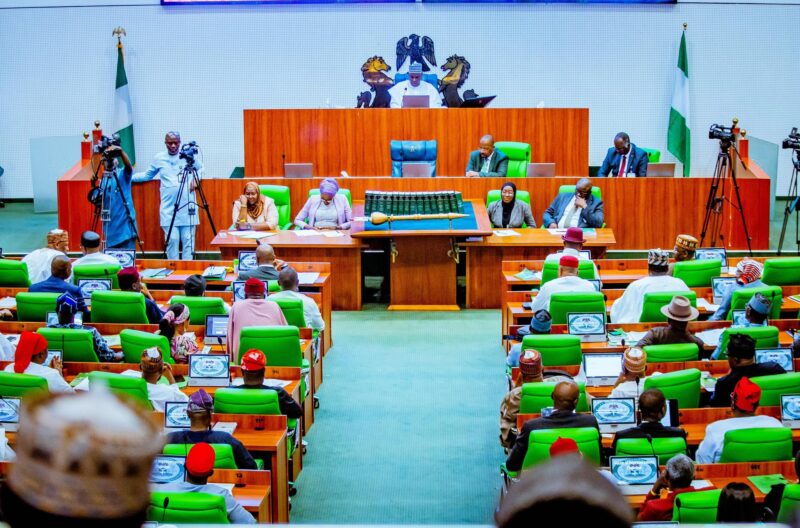
It is not an exaggeration to opine that Nigeria is a nation where transparency is often a mirage, particularly when argued from the perspective of the salaries of lawmakers that have remained one of the most closely guarded secrets. Despite numerous calls for openness, the actual figures paid to senators and representatives continue to be shrouded in ambiguity. This opaqueness raises more than a few eyebrows and leads many to suspect that there is something suspicious lurking beneath the surface.
Without any scintilla of hyperbole, Nigerian lawmakers are among the highest-paid in the world, yet the specifics of their earnings remain obscured. Attempts by civil society groups, journalists, and even some government agencies to unearth the exact figures have often hit a brick wall. The reluctance to disclose these salaries suggests that the figures might be so astronomical that revealing them could provoke public outrage.
In fact, the issue of legislators’ pay in Nigeria has been a subject of heated debate and controversy, particularly in recent times. The public outcry stems from the perceived opaqueness surrounding the exact amount that Nigerian lawmakers earn, with figures being tossed around by different stakeholders, often without clarity or official confirmation. The situation has been further complicated by the apparent reluctance of the authorities to disclose these details, despite growing demands from civil society organizations, most notably the Socio-Economic Rights and Accountability Project (SERAP).
Despite the fact that Nigeria’s federal lawmakers are often perceived as some of the highest-paid in the world, the precise figures remain a well-guarded secret, contributing to the growing distrust between the public and their elected representatives. Various sources have quoted different amounts, with some suggesting that a senator takes home over N13 million monthly in salaries and allowances, while others argue the figure is much higher. On the other hand, members of the House of Representatives are believed to earn slightly less, though the exact amount remains equally vague.
The public’s suspicion was heightened when the Revenue Mobilization Allocation and Fiscal Commission (RMAFC), the body constitutionally mandated to determine salaries of public officers, remained silent or non-committal on the actual figures. This lack of transparency has fueled speculation, leading to widespread belief that lawmakers may be earning far more than what is publicly acknowledged.
In light of this secrecy, SERAP has taken a proactive stance in demanding transparency. The organization has consistently called on the National Assembly to publicly disclose the salaries and allowances of its members. In a recent statement, SERAP emphasized that Nigerian citizens have a right to know how much their representatives earn, especially in a country where the majority of the population lives in poverty.
“Transparency in the earnings of public officials is essential to fostering accountability and trust in governance,” SERAP said in its statement. “The culture of secrecy surrounding the salaries and allowances of Nigerian lawmakers is not only undemocratic but also a recipe for corruption.”
SERAP has even gone as far as threatening legal action if the National Assembly continues to withhold this information. The organization argues that the refusal to disclose these details violates the Freedom of Information Act, which mandates the disclosure of public information.
There are several reasons to question why lawmakers’ salaries are hidden from the public. First and foremost is that beyond basic salaries, Nigerian lawmakers receive a various allowances for everything from wardrobe to domestic staff. These allowances, when summed up, dwarf their official salaries. It is against the foregoing backdrop that this writer conjectured that the government might have sensed that transparency would expose just how excessive these allowances are, especially in a country grappling with widespread poverty.
In a similar vein, the government may fear the backlash from citizens who are struggling to make ends meet. With the economy in dire straits and inflation at record highs, revealing the true earnings of lawmakers could spark unrest among a populace already feeling the pinch of austerity measures.
In a similar vein, it is difficult to morally justify the enormous paychecks lawmakers receive, especially when juxtaposed with the dismal state of public services and the economy. By keeping these figures under wraps, the government avoids the ethical debate that would inevitably arise.
Unfortunately, the lack of transparency regarding lawmakers’ salaries erodes public trust. It gives the impression that those in power are more concerned with their personal gain than with serving the people. This secrecy also hinders efforts to hold lawmakers accountable, as the public is left in the dark about how much of the national budget is being funneled into their pockets.
In fact, the persistent secrecy around lawmakers’ salaries suggests there is more at stake than just avoiding public criticism. It raises questions about whether these funds are being appropriately allocated and whether there are other, undisclosed perks that lawmakers are enjoying. The lack of transparency opens the door to corruption and misuse of public funds, making it all the more urgent for these salaries to be made public.
Given the foregoing likely whys and wherefores, the actual salaries which lawmakers receive on monthly basis remain obscure. In fact, it is germane to opine in this context that as Nigeria continues to navigate economic challenges, the call for transparency in government spending grows louder. Therefore, the salaries of lawmakers should be disclosed, not just as a matter of public interest, but as a step towards restoring faith in governance. The era of secretive paychecks must come to an end if Nigeria is to move forward as a truly democratic nation.
In fact, there is no denying the fact that the mystery surrounding the salaries of Nigerian lawmakers is more than just an issue of curiosity. Bluntly put, it is a symptom of deeper systemic problems. Until these figures are brought to light, there will always be reasons for the suspicious public to smell a rat.

























You must be logged in to post a comment Login