Forgotten Dairies
“Luxury at Sea, Death Below Deck: The Hantavirus Crisis on MV Hondius” -By Fransiscus Nanga Roka
Such hantavirus fears related to the MV Hondius should also be a global alarm signal. No longer under the ‘disappearing zoonotic risks’ model of a time when biodiversity was expanding through halcyon days, businesses can no longer cling to hope that ecosystem health will return following above disruptions with limited human interaction into fragile ecosystems and climate change effects reducing their viability. They will intensify.

Today, the cruise industry is peddling an illusion! You shoulder not be going to close quarters confinement aboard these creaky old floating coaster we call “ships!” With vessels like the MV Hondius, sold with promises of “science in action,” polar beauty and elite adventure all packaged in almost as many layers of precisionist language, sustainability boosterism and world class management. Yet, when hantavirus broke out aboard the ship once more and visitors began to fall ill, a much grimmer truth came about: that luxury cruise travel at sea remains disturbingly susceptible to unseen biological dangers.
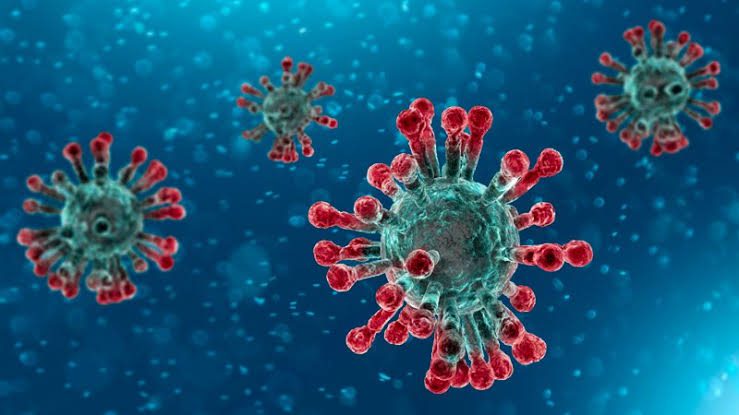
Hantavirus: This is no trivial infection Rodent exposure associated zoonotic disease with the potential to give rise to fatal respiratory failure and other complications that endanger life. Mortality rate could not be more significant but even a mortality does not make hantavirus terrifying, its invisibleness that makes it so. A vessel might look squeaky clean as contamination quietly expands inside circulation systems, snoozing quarters or cargo zones and structural components buried out of reach from view by passengers.
And that is the global issue right there.
Or, that the cruise industry has become a master of aesthetic sanitation but not structural biosecurity.
Passengers see well refurbished dining halls, sanitized stair railings, and cordial crew members impeccably dressed. What they do not witness are the unseen vulnerabilities below deck: food supply chains, waste systems, cargo loading protocols, crew quarters and ecological exposure points that can turn a five star cruise ship into aquatic epidemiological risk factor.
Hence, the controversy around MV Hondius is far more than just a single vessel. It raises a question mark at the very structure of international health governance on maritime issues.
The world kept its gaze on airborne pandemics for a long time. But zoonotic threats, including hantavirus, also put an even pricklier point on the fact that the cruise industry may still be working off a reactive rather than preventive health model. The management of outbreaks typically only starts after symptoms have begun to appear. Inevitably, it becomes far more impossible to contain within the limited ecosystem of a vessel by that point.
A cruise ship is more than transportation It is a closed loop transnational biosphere.
Whatever issues in common roughly infinite domains clear cut across comments to four basic scenarios: thousands of people from many nations, eat going on side by side, sleep less compared besides those metres remotely each other also networks the same air circulation systems; peace way by travelling once ecologically delicate spaces at which humans interact intermixed wildlife as migrating badgers along their ugly rabbit winter locations. Because they keep humans in high proximity to remote ecosystems harbouring unfamiliar pathogens, expedition tourism particularly exacerbates biological exposure.
This creates a dangerous paradox: the more “exclusive” the adventure, in biological terms, the greater our uncertainly.
However, the practice of selling expedition tourism seems to remain more about aesthetics and prestige than it is with clear biological risk communication. These brochures exalt glaciers, penguins and pristine wildernesses. With this comparison, zoonotic disease preparedness is seldom emphasized to a similar degree.
That silence matters. Public health cannot be protected by branding.
It is safeguarded by transparency, prevention and accountability.
The body of international law pertaining to maritime health is still incomplete and not consistently enforced. The law needs sanitation procedures and reporting of disease at the international level, but implementation relies on flag states, private operators without regulation from a national authority nabder variable standards for inspection. What this translates to in practice is creating territory of regulatory grey zones where it might be that how a commercial decides for building its reputation price tag and market share takes precedence over radical transparency.
The economic incentives, of course, are also blindingly clear.
Imagery associating luxury tourism with exposure to a deadly disease is not what any cruise operator wants in the headlines. Financially, the ramifications are gargantuan: cancellations, reputational disintegration and associated lost revenue; insurance challenges in adjusting to bookings made before these changes (impacting cash flow for hotels); lawsuits from so called third party booking channels alleging poor service levels at an individual property level outside of scope regulatory work; even case backlogs due directly into international conflict write outs ever since 9/11. This presents a built-in temptation to downplay them, postpone their appearance in public debate or frame health risks so that they do not confront the full frankness of exposure.
Now, the real peril is not itself hantavirus. A worse threat is one of international tourism, in which the commercial (the image) can come to dominate over the biological (the fact).
The world has seen, already, what occurs when establishments choose the continuity of mechanistic economies over well timed health warnings. The lesson from modern public health crises is starkly simple: harms are amplified by delayed transparency.
If, for example, hantavirus concerns about the MV Hondius force us into a global reevaluation of our approach to dealing with emerging viruses in remote areas, taking some aspect of past national and collective health solutions will be obligatory. International organisations should advocate for structural, policy and regulatory reforms across expedition tourism and maritime biosecurity systems.
First, mandatory independent zoonotic-risk audits should be implemented for expedition cruise operators and not simply routine sanitation requirements. Widespread cleanliness inspections fall short against novel diseases.
Fifth, ships operating near climate-sensitive areas should not only be encouraged to use public pathogen-prevention protocols more broadly (such as through rodent monitoring systems, cargo control transparency frameworks and air filtration oversight) but also improve local emergency infectious disease response functions.
Third, passengers deserve informed consent based on scientific honesty not marketing optimism. What travelers need to know is that expedition tourism comes with biological risks involving more than just regular leisure travel.
Fourth, international maritime law should move from “disease response” to the accountability of disease prevention. A system that only intervenes after exposure is not a health security system, it is regulation as damage control.
Above all, it is time for the cruise industry to stop spinning luxury as safety.
It does not.
There is no way to polish a deck and not have systemic vulnerability.
Five-star branding cannot neutralize pathogens.
But status cannot be a substitute for scientific readiness.
Such hantavirus fears related to the MV Hondius should also be a global alarm signal. No longer under the ‘disappearing zoonotic risks’ model of a time when biodiversity was expanding through halcyon days, businesses can no longer cling to hope that ecosystem health will return following above disruptions with limited human interaction into fragile ecosystems and climate change effects reducing their viability. They will intensify.
Comfort, Luxury and Adventure Will Not Define the Future of Global Tourism.
What we will find out is whether the industry can confront biological reality ahead of a tragedy that compels it to.
For a maritime system that prioritizes biosecurity as subordinate to commercial image is not just ill equipped, its structure directly contributes to the next crisis lurking below deck.
Fransiscus Nanga Roka
Faculty of Law University 17 August 1945 Surabaya Indonesia