Forgotten Dairies
Maradona’s Hand of God and IBB’s History: Nigeria’s Struggle for Narrative -By Prince Charles Dickson, Ph.D
I would end by stating painfully that we are in a coffin, where young Nigerians exhibit a profound disconnection from their historical heritage and cultural roots, reflecting a broader societal shift away from the collective memory and traditions that once defined their identity. This detachment not only undermines their sense of belonging but also diminishes their understanding of the cultural, social, and historical narratives that have shaped the nation. In an era dominated by globalization and digital modernity, the erosion of this connection to the past poses significant challenges to the preservation of Nigeria’s rich cultural legacy and the cultivation of a cohesive national identity. Do we remain in the coffin or resurrect—Only time will tell.

Vergangenheitsbewältigung (German: [fɛɐ̯ˈɡaŋənhaɪtsbəˌvɛltɪɡʊŋ], “struggle of overcoming the past” or “work of coping with the past”) is a German compound noun describing processes that, since the later 20th century, have become key in the study of post-1945 German literature, society, and culture. (“Overcoming the past”) is generally associated with Germany’s process of coming to terms with the history of National Socialism and the Holocaust.
Diego Maradona’s “Hand of God,” a moment of audacious deception and divine attribution, remains etched in the collective memory of football. It’s a story that transcended the boundaries of a simple sporting event, becoming a cultural touchstone, a symbol of cunning and controversy. The replay, the analysis, the debate – all contributed to the solidification of this moment into a piece of history, albeit a contested one. In Nigeria, we yearn for such clarity, such a tangible, debated, and ultimately understood narrative of our past.
IBB
Our historical landscape is cotton woven with threads of omission, selective memory, and a profound reluctance to confront the more painful chapters of our national story.
The systematic removal of history from secondary school curricula, a decision that effectively severed a generation from its roots, speaks volumes about our discomfort with our past. This deliberate erasure has created a void, a chasm where a shared understanding of our nation’s journey should reside.
The prioritization of foreign empires, like the Songhai, over the intricate and complex story of Nigerian history further compounds this issue. While these external narratives offer valuable perspectives, they cannot replace the fundamental need to understand our internal dynamics, our struggles, and our triumphs. The absence of a comprehensive exploration of the “Nigerian empire,” whatever form it may have taken, leaves a critical gap in our understanding of our own identity.
The Biafran War, a brutal and deeply divisive conflict, stands as a stark example of our reluctance to confront our past. The persistent refusal to commission a televised narrative, a project that could have served as a powerful tool for healing and reconciliation, underscores our collective unease. The parallels with “Hotel Rwanda” and “Sometimes in April,” films that dared to confront the horrors of genocide, are undeniable. By shying away from our painful truths, we perpetuate a cycle of misunderstanding and mistrust.
The Jos September 21 crisis, a more recent but equally devastating event, suffers from a similar lack of comprehensive documentation and public discourse. The absence of a clear, accessible narrative leaves the wounds of this tragedy festering, hindering the process of healing and reconciliation. Without a shared understanding of these events, we are condemned to repeat the mistakes of the past.
Equally troubling are the unresolved controversies that loom like specters over Nigeria’s political history. The 1986 assassination of Dele Giwa, founder of Newswatch magazine, via a letter bomb remains a festering wound. Despite evidence implicating state actors, the case languishes in obscurity, buried under layers of official obfuscation. Similarly, the 2001 murder of Bola Ige, then-Attorney General and Minister of Justice, remains shrouded in mystery. The unanswered question of who killed Bola Ige has become a metaphor for the culture of impunity that haunts Nigeria’s corridors of power. These are not mere cold cases; they are testaments to a state’s refusal to confront its shadows.
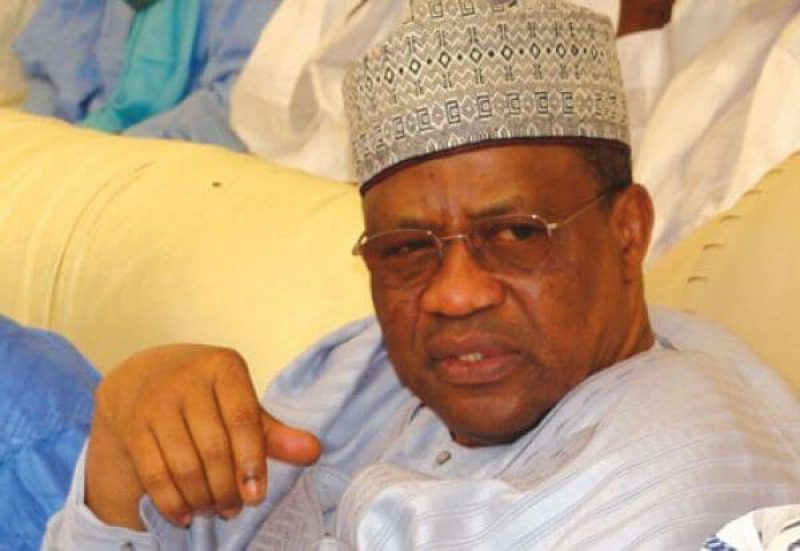
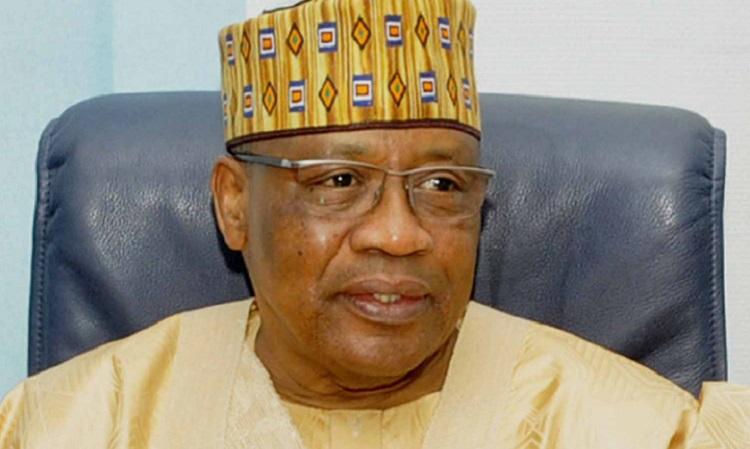
Ibrahim Badamasi Babangida, IBB
This opacity extends beyond individual tragedies. The Nigerian state’s insistence on classifying vast swathes of historical records—often under the guise of “national security”—denies citizens access to their own story. While democracies like the United States declassify documents after set periods, Nigeria’s archives remain locked, fueling speculation and conspiracy. What truths lie hidden in files marked confidential? What role did the state play in pivotal moments like the annulment of June 12 or the fuel subsidy protests? By clinging to secrecy, the state reduces history to a weapon, wielded to control narratives rather than enlighten the public.
Compounding this is the relegation of national discourse to the realm of myth and rumor. Without official records, history becomes a battleground of competing anecdotes. Was MKO Abiola’s death natural or engineered? What truly transpired during the Dimka coup? In the absence of facts, hearsay thrives. The danger is not merely academic; it erodes trust in institutions and fractures collective memory. When history is negotiable, manipulated by those in power, or concocted in the echo chambers of social media, society loses its anchor. A nation cannot mature when its past is a puzzle with missing pieces, assembled by guesswork and bias.
The silence of key figures, particularly those who played pivotal roles in shaping our nation’s destiny, exacerbates the problem. General Gowon, a man who stood at the helm of the nation during a tumultuous period, remains silent, his war memoirs unwritten. His perspective, his insights, and his reflections are invaluable, yet they remain locked away, depriving us of a crucial piece of our historical puzzle.
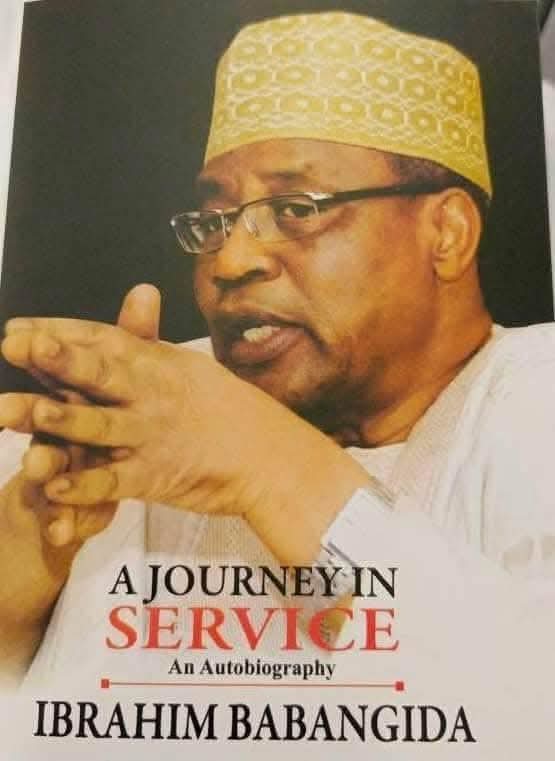
The recent launch of IBB’s autobiography, while a welcome addition to the sparse collection of personal narratives, underscores the challenges we face. In a nation starved of historical context, such accounts become not just personal reflections but de facto historical records. However, these accounts, by their very nature, are subjective, offering a single perspective on complex events. They cannot replace the rigorous, objective analysis of professional historians and the wealth of information contained in well-maintained archives.
Unlike nations with robust archival systems and transparent processes for declassifying historical documents, we rely heavily on “tales by moonlight,” anecdotal fragments that, while valuable, lack the rigor and objectivity of structured historical analysis. This reliance on oral traditions and personal accounts blurs the lines between public relations and historical record, allowing narratives to be shaped by personal agendas rather than a pursuit of truth.
The power of literature, as evidenced by Chinua Achebe’s Things Fall Apart,” lies in its ability to illuminate the human experience and offer insights into the past. However, literature alone cannot replace the foundational role of history. History is not constructed logically; it happens, it is recorded, and it is taught. Without that foundation, we are left with fragments, interpretations, and the ever-present danger of repeating the mistakes of the past.
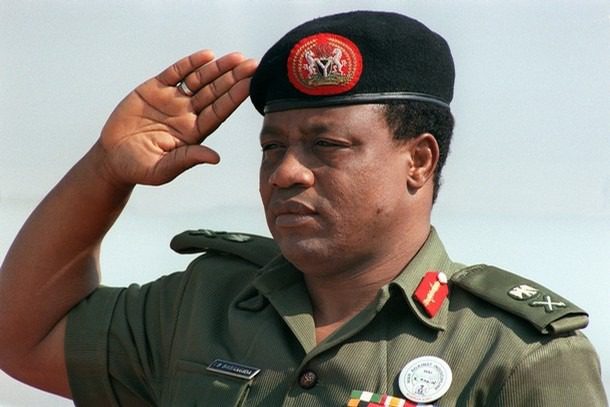
Ibrahim Badamasi Babangida
We must reclaim our history. We must demand comprehensive education, open archives, and honest narratives. We must encourage those who shaped our nation to share their stories, not as PR exercises but as contributions to a collective understanding.
Only then can we move forward, not as a nation adrift, but as a people grounded in the truth of our shared journey. Only then can we ensure that the “Hand of God” of our past does not become a tool for manipulation but a lesson for a more informed and united future. We need to create a culture where history is valued, debated, and understood, not suppressed or manipulated.
This means investing in historical research, supporting archival institutions, and fostering a spirit of open dialogue about our past. It means ensuring that our children are taught the full, unvarnished truth about their nation’s history, both the triumphs and the tragedies. Only then can we build a future where the lessons of the past guide us toward a more just and equitable society.
I would end by stating painfully that we are in a coffin, where young Nigerians exhibit a profound disconnection from their historical heritage and cultural roots, reflecting a broader societal shift away from the collective memory and traditions that once defined their identity. This detachment not only undermines their sense of belonging but also diminishes their understanding of the cultural, social, and historical narratives that have shaped the nation. In an era dominated by globalization and digital modernity, the erosion of this connection to the past poses significant challenges to the preservation of Nigeria’s rich cultural legacy and the cultivation of a cohesive national identity. Do we remain in the coffin or resurrect—Only time will tell.
—
Prince Charles Dickson PhD
Team Lead
The Tattaaunawa Roundtable Initiative (TRICentre)
Development & Media Practitioner|
Researcher|Policy Analyst|Public Intellect|Teacher
234 803 331 1301, 234 805 715 2301
Alternate Mail: pcdbooks@yahoo.com
Skype ID: princecharlesdickson