
National Issues
National Grid Collapse: One Collapse, Too Many -By Isaac Asabor
By investing in renewable energy, modernizing the grid infrastructure, implementing robust maintenance protocols, and fostering public-private partnerships, Nigeria can overcome its power supply challenges and achieve its development goals. The government, power companies, and all stakeholders must commit to working together to build a resilient, efficient, and reliable power supply system for the benefit of all Nigerians.

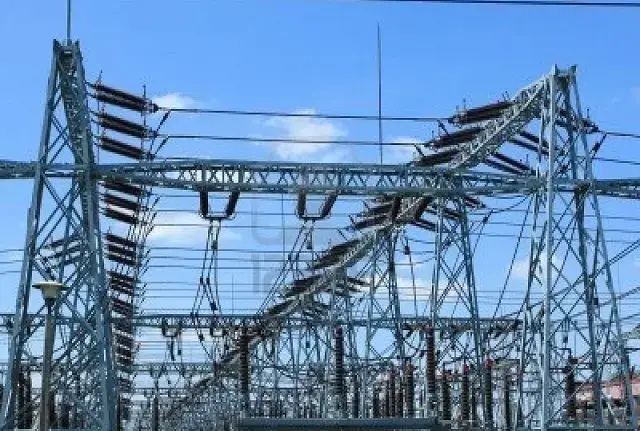
Once again, darkness cloaks the homes and businesses of millions of Nigerians as the national grid collapses on Wednesday, February 12, 2025. This latest failure, which occurred just after 11 am on Wednesday morning, marks a grim continuation of a troubling trend. The repeated failure of the national grid has become a national concern, affecting the daily lives of citizens and the overall economy.
Without a doubt, it has become a recurring nightmare. For Nigerians, the recurrent collapse of the national grid is more than just an inconvenience; it’s a recurring nightmare. With the latest incident dropping power generation from 4064 megawatts at 11 am to a shocking 0.00MW by 1 pm, the reliability of the grid has once again come under scrutiny. This collapse is the first of 2025 but follows a disturbing pattern, with the grid failing 12 times in 2024 alone and over 100 times in the past decade.
The frequency of these collapses raises several critical questions. Why does the grid collapse so often? What measures are being taken to prevent such incidents in the future? And perhaps most importantly, who is accountable for these persistent failures? These are questions that demand urgent answers from the authorities.
The impact of these failures is profound, stretching far beyond the flicker of a lightbulb. From stalling industrial operations to disrupting daily activities, each collapse strains an already fragile economy. Businesses incur massive losses, healthcare services are jeopardized, and everyday citizens are left to grapple with the frustration of an unreliable power supply.
For many small and medium-sized enterprises (SMEs), a consistent power supply is the lifeblood of their operations. Each grid collapse means halted production, spoiled goods, and lost revenue. In a country where SMEs contribute significantly to the GDP, these power outages have a ripple effect, destabilizing not just individual businesses but the broader economy.
Moreover, the healthcare sector, which relies heavily on a steady power supply for the functioning of medical equipment and the preservation of medications, faces severe challenges during these blackouts. Life-saving treatments and procedures are put at risk, endangering the lives of patients.
Against the foregoing backdrop, there is need for accountability and the need for answers. In fact, the silence from the Transmission Company of Nigeria (TCN) and the broader power generation companies is deafening. While the Abuja Electricity Distribution Company (AEDC) acknowledged the collapse and assured gradual restoration of power, this is little consolation to those affected. The lack of timely communication from TCN’s spokesperson, Ndidi Mbah, adds to the mounting frustration and highlights the need for greater accountability and transparency.
The government’s role in ensuring a reliable power supply cannot be overstated. There must be a clear and transparent process for investigating the causes of these collapses and implementing corrective measures. The public deserves to know what steps are being taken to prevent future occurrences and to hold those responsible accountable.
It is clear that the existing infrastructure is incapable of meeting the nation’s power needs. The persistent grid disturbances underscore the urgent need for comprehensive reforms. Investing in renewable energy sources, modernizing the grid infrastructure, and implementing robust maintenance protocols are critical steps that must be taken to prevent future collapses.
Without a doubt, renewable energy sources such as solar, wind, and hydroelectric power present viable alternatives to the current reliance on fossil fuels. These sources are not only more sustainable but can also provide a more stable and reliable power supply. Additionally, modernizing the grid infrastructure to incorporate smart grid technologies can help improve the resilience and efficiency of the power supply system.
Maintenance is another crucial aspect that cannot be overlooked. Regular and thorough maintenance of power generation and distribution facilities is essential to prevent unexpected breakdowns. This includes routine inspections, timely repairs, and the replacement of outdated equipment.
On the the path forward, it is expedient to opine that for Nigeria to achieve its development goals, a reliable and stable power supply is non-negotiable. The government, power companies, and all stakeholders must come together to address this chronic issue. It is time to prioritize the welfare of the people and the growth of the nation by ensuring that the national grid is resilient, efficient, and reliable.
In fact, public-private partnerships can play a pivotal role in addressing the power supply challenges. By leveraging the expertise and resources of the private sector, the government can implement innovative solutions and fast-track the modernization of the power infrastructure. Collaborative efforts between the government, private investors, and international partners can pave the way for a more reliable power supply system.
Community involvement is also essential in this process. Educating the public about energy conservation and efficient energy use can help reduce the overall demand on the grid. Encouraging the adoption of energy-efficient appliances and practices can contribute to a more sustainable and reliable power supply.
It is not a misnomer to opine that the recurrent collapses of the national grid have broader implications for Nigeria’s socio-economic development. This is as a reliable power supply is fundamental to attracting foreign investment, driving industrialization, and improving the quality of life for citizens. Without it, the nation’s aspirations for economic growth and development will remain elusive.
Worse still, investors are often deterred by the uncertainty and risks associated with an unreliable power supply. For Nigeria to become a competitive player in the global market, it must address its power supply challenges decisively. A stable and reliable power supply will enhance the country’s attractiveness to foreign investors, leading to increased investment, job creation, and economic growth.
Again, industrialization, which is critical for economic development, is heavily dependent on a consistent power supply. Manufacturing and processing industries require uninterrupted power to operate efficiently. By ensuring a reliable power supply, Nigeria can boost its industrial sector, create employment opportunities, and reduce its dependence on imports.
In conclusion, one grid collapse is one too many. It is time for a definitive and lasting solution to end the cycle of darkness that has plagued Nigeria for far too long. The nation’s future depends on it.
By investing in renewable energy, modernizing the grid infrastructure, implementing robust maintenance protocols, and fostering public-private partnerships, Nigeria can overcome its power supply challenges and achieve its development goals. The government, power companies, and all stakeholders must commit to working together to build a resilient, efficient, and reliable power supply system for the benefit of all Nigerians.























You must be logged in to post a comment Login