
Forgotten Dairies
Nigeria’s ₦159 Trillion Debt Burden: Equivalent to ₦724,000 Per Citizen Compared to a ₦70,000 Minimum Wage -By Daniel Nduka Okonkwo
Key concerns include the high proportion of revenue used for debt servicing, limited fiscal space for critical sectors such as infrastructure, health, and education, and potential inflationary risks if deficit financing continues to expand. Exchange rate volatility also affects the dollar value of external debt, adding further complexity to fiscal management.

Nigeria’s debt clock has surged to ₦159.28 trillion, a figure that translates to roughly ₦724,000 per citizen when spread across a population of more than 220 million. This arithmetic alone underscores the scale of the nation’s obligations. While official voices emphasize that the debt-to-GDP ratio remains within accepted thresholds, the underlying reality is sobering: the country’s present is being financed through persistent domestic borrowing and mounting external loans. Each statistic is a reminder that today’s fiscal gaps are tomorrow’s responsibilities, with the burden of development increasingly shifted onto generations yet unborn.
Is there a way out for Nigerians? The path forward demands more than borrowed billions. It requires a fundamental reassessment of how resources are managed, how revenue is diversified, and how structural weaknesses are addressed. While the figures may suggest sustainability on paper, the lived reality reflects rising costs, shrinking opportunities, and a future increasingly tied to creditor obligations. Breaking this cycle will require bold reforms, transparent governance, and a commitment to building an economy driven by productivity rather than dependence on borrowing.
When distributed across the population, the debt translates to roughly ₦700,000 to ₦725,000 per citizen. This figure is only a statistical illustration and not a legal obligation on individuals. Public debt remains a sovereign responsibility shared by the Federal Government, state governments, and the Federal Capital Territory, and it is serviced through public revenue rather than direct payments by citizens.
As of late 2025, Nigeria’s total public debt stood at approximately ₦159.28 trillion, equivalent to about $103 billion to $111 billion depending on the exchange rate applied. This represents an increase from about ₦144.7 trillion in 2024, reflecting continued reliance on borrowing to finance fiscal deficits.
Nigeria’s debt stock consists of both domestic and external borrowing. Domestic debt is estimated at approximately ₦84 trillion to ₦85 trillion, while external debt stands at about ₦74 trillion. The growth in total debt has been driven by persistent budget deficits, increased domestic borrowing through treasury bills and government bonds, and exchange rate depreciation, which raises the naira value of external obligations. By mid-2025, total debt had reached about ₦152.39 trillion before rising further to ₦159.28 trillion by year-end.
Debt servicing remains a more pressing concern than the size of the debt itself. In 2025, debt servicing costs rose to approximately ₦15.8 trillion, up from about ₦12.8 trillion in 2024. This increase was largely driven by higher interest rates on domestic debt instruments. Servicing costs for domestic debt rose sharply due to increased yields on treasury bills and Federal Government bonds. At certain points in 2025, the debt service-to-revenue ratio exceeded 80 percent, meaning that a substantial portion of government revenue was used to service existing debt.
Looking ahead, Nigeria’s 2026 fiscal outlook reflects continued pressure on public finances. The proposed budget projects total expenditure of about ₦58.5 trillion against expected revenue of approximately ₦33.2 trillion, leaving a fiscal deficit of about ₦25 trillion. This gap is expected to be financed largely through additional borrowing, which could push total public debt beyond ₦160 trillion.
Planned borrowing includes external loans estimated at $6 billion, along with an additional $516 million under consideration. However, claims suggesting approvals equivalent to ₦68 trillion appear inconsistent and are likely the result of conversion or reporting errors rather than actual borrowing approvals.
The comparison between Nigeria’s per capita debt of roughly ₦724,000 and the national minimum wage of ₦70,000 is largely symbolic but highlights deeper economic realities. It reflects low income levels, rising cost of living, and mounting pressure on public finances. It does not imply that citizens are personally responsible for repaying the debt.
Nigeria’s debt-to-GDP ratio, estimated at 35 percent to 37 percent, remains below the commonly referenced 60 percent threshold. However, experts consistently stress that revenue constraints, rather than debt size alone, represent the country’s most significant fiscal risk.
Key concerns include the high proportion of revenue used for debt servicing, limited fiscal space for critical sectors such as infrastructure, health, and education, and potential inflationary risks if deficit financing continues to expand. Exchange rate volatility also affects the dollar value of external debt, adding further complexity to fiscal management.
Nigeria’s public debt, now approaching ₦160 trillion, is not excessive when measured against GDP. However, the cost of servicing that debt and the country’s limited revenue base present a growing fiscal challenge. The per capita framing helps illustrate the scale of the burden, but the central issue remains how effectively borrowed funds translate into economic growth and improved living conditions.
As borrowing continues, the sustainability of Nigeria’s fiscal path will depend less on how much is owed and more on how effectively the economy generates the revenue required to support those obligations.
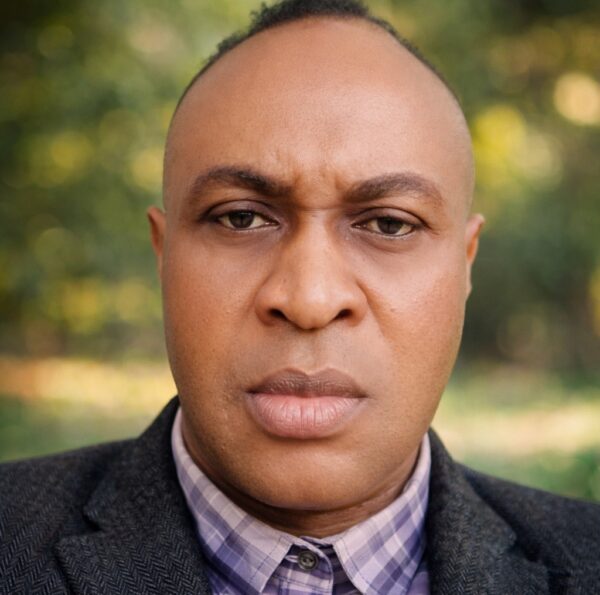
Daniel Nduka Okonkwo is a Nigerian investigative journalist, publisher of Profiles International Human Rights Advocate in collaboration with Daniels Entertainment, and a policy analyst whose work focuses on governance, institutional accountability, and political power. He is also a human rights activist, advocate, and journalist committed to promoting transparency, justice, and democratic principles. His reporting and analysis have been widely published across notable media platforms, including Sahara Reporters, African Defence Forum, Daily Trust Newspapers, Vanguard Newspaper, Daily Intel Newspapers, Opinion Nigeria, African Angle, Local.Newsbreak.Com, and other international outlets. He writes from Nigeria and can be reached at dan.okonkwo.73@gmail.com

























You must be logged in to post a comment Login