Opinion
Nigeria’s Descent into Dictatorship: The Erosion of Civil Rights and the Silencing of Voices, by Isreal Berjela Jeremiah

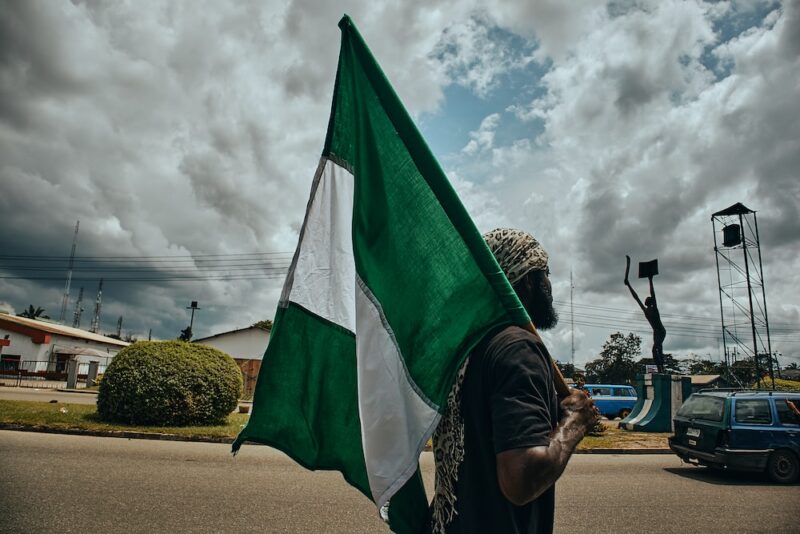
Nigeria, a country born out of the struggles of its people, is slowly succumbing to the shackles of dictatorship. The gradual erosion of civil rights, particularly the right to protest, is a stark reminder of the government’s increasing intolerance for dissenting voices. The once vibrant culture of protest, which played a pivotal role in Nigeria’s independence, is now being systematically dismantled by those in power.
The government’s approach to protests has become increasingly restrictive, with a plethora of policies designed to intimidate and control the poor masses. The requirement for protesters to obtain permission before exercising their constitutional right is a blatant attempt to stifle dissent. The criteria for granting permission are often arbitrary, and the process is deliberately cumbersome, ensuring that only those who pose no threat to the government’s interests are allowed to voice their concerns.
We see these kinds of policies being passed to universities, a place where the benefit of protest should be enacted by the younger generations to carry out the right personalities of voicing out to make the country a better place for them. Instead, we see authorities intimidating students and forcing them to sign unsanctioned documents that take away their protest rights, implying that anything the school management does should be acceptable to educated people. They threaten them with academic failure if they do not comply with the unethical way of running things in tertiary institutions.
The involvement of the armed forces in monitoring and controlling protests is a chilling reminder of the government’s willingness to use force to silence its citizens. The intimidation factor is palpable, with many would-be protesters opting to remain silent rather than face the wrath of the authorities. This systematic suppression of dissent has created an environment where the voices of the marginalized are barely audible.
The government’s narrative that protests are inherently disruptive and violent is a gross misrepresentation of the truth. Protests have been a cornerstone of Nigeria’s history, driving change and progress. The independence era was marked by protests and civil disobedience, which ultimately led to the country’s freedom. However, the current administration seems determined to erase this history, portraying protests as a threat to stability rather than a vital component of a healthy democracy.
The neo-colonial undertones of Nigeria’s governance are evident in the policies that benefit foreign interests and political elites at the expense of the citizens. The government’s priorities are skewed, with the needs of the masses consistently neglected in favor of those who wield power and influence.
As the noose of dictatorship tightens, it is essential for Nigerians to recognize the value of their civil rights and the power of protest. The younger generation must be educated about the significance of protest in shaping Nigeria’s history and the importance of continuing this tradition. The international community must also take note of Nigeria’s descent into dictatorship and apply pressure on the government to respect the rights of its citizens.
Nigeria’s gradual movement towards dictatorship is a threat to the very fabric of its democracy. The erosion of civil rights, particularly the right to protest, is a stark reminder of the government’s intolerance for dissent. It is time for Nigerians to stand up against this tyranny and reclaim their voices, lest they risk losing the freedoms that their ancestors fought so hard to achieve.