
Forgotten Dairies
Religion, Reason and Human Capital in Nigeria -By Patrick Iwelunmor
Nigeria does not suffer from too much faith, but from too little thoughtful faith. Faith that cannot tolerate questions is fragile. Faith that is honest, grounded, and intellectually serious can be a force for national renewal. A society that believes deeply while thinking clearly is better equipped to build institutions, grow its economy, and nurture its people. When faith and reason operate in harmony, Nigeria can cultivate citizens who are morally guided, intellectually capable, and ready to contribute meaningfully to the nation’s progress.

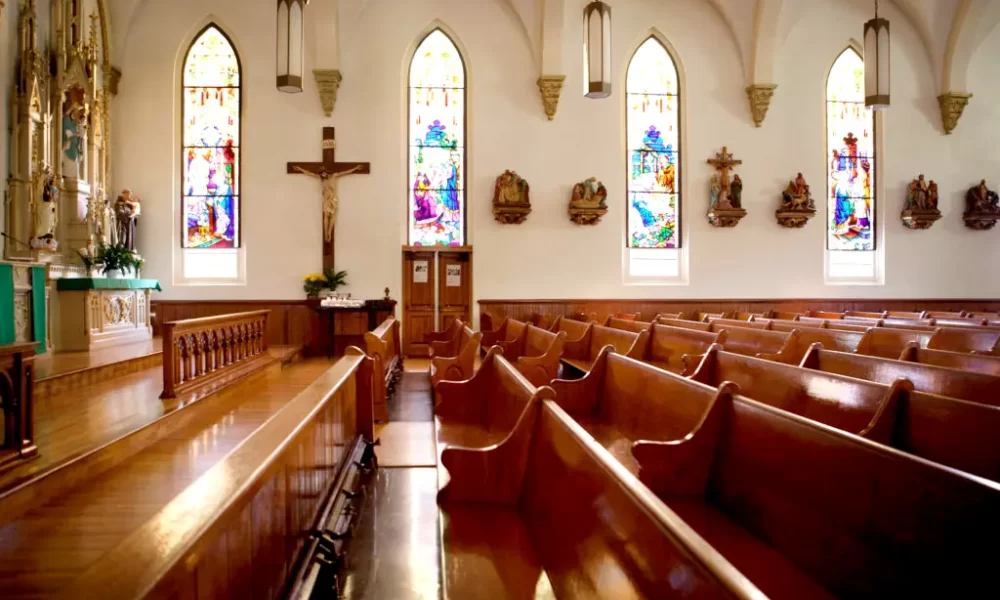
In Nigeria, faith is more than a private matter; it is a public force that shapes how people think, act, and aspire. It is the lens through which many interpret success, failure, and opportunity. Yet when religious defence becomes a shield for spectacle, fear, or untested claims, it does more than mislead. It quietly reshapes national consciousness, economic behaviour, and the development of human talent. Stories of miraculous protection, supernatural wealth, or untested prophecy may inspire awe, but they also risk teaching a generation that effort, reason, and critical thinking are secondary to faith alone.
Faith is woven into the everyday life of Nigerians. It shapes how we grieve, celebrate, vote, and endure. Churches and mosques are everywhere, and religious leaders command respect that sometimes rivals that of governors or senators. In such a society, faith apologetics, the careful defence of belief, has become a dominant force. Yet, how it is often practised reveals weaknesses that ripple far beyond the spiritual realm. Many Nigerians grow up believing that faith alone is sufficient to navigate life’s challenges, leaving reason and personal responsibility as secondary considerations.
One persistent error is the confusion between belief and proof. Strong conviction is treated as evidence of truth, while personal experiences are elevated into universal realities. Questioning is no longer encouraged; it is branded rebellion or lack of devotion. Young people grow up learning that faith is measured by obedience, not reflection. In this climate, reason quietly takes a back seat, leaving belief fragile beneath its confident surface.
Stories abound of armed robbers allegedly being stopped by prayers or bullets neutralised through denominational slogans. These narratives may thrill congregations, but they blur the line between faith and fantasy. Some have paid the ultimate price trying to replicate these miracles, believing divine protection guarantees safety. Similarly, miracle-money teachings promise supernatural credit alerts and encourage passivity among youths who might otherwise work to develop skills, ideas, and livelihoods. These stories, when amplified without caution or critical reflection, have a social cost that few openly acknowledge.
The consequences of this approach extend far beyond the personal to national consciousness. A society trained to suspend critical judgment in religious matters often does the same in civic life. Leaders are excused rather than questioned, mistakes are spiritualised instead of addressed, and citizens become comfortable with endurance rather than reform. Hope becomes a substitute for action, and belief replaces accountability. In the long run, democracy suffers when inquiry is treated as spiritual failure. Citizens are less likely to challenge corruption, demand transparency, or insist on institutional reforms because they have been conditioned to accept outcomes as divinely ordained.
Faith apologetics also shapes economic behaviour. When wealth is framed as divine favour rather than the result of labour, planning, and innovation, work loses its moral urgency. Shortcuts, speculation, and moral compromises become socially acceptable. An economy cannot thrive on testimonies alone; it demands discipline, foresight, and consistent effort. When miracles are expected to deliver financial security, young people may delay the development of skills, eschew entrepreneurship, or avoid professional discipline, trusting instead in supernatural provision.
The human cost is even more profound. A generation taught that doubt is sinful or intellectual struggle is weakness will struggle in knowledge-driven fields. Science, technology, medicine, and research require the courage to explore the unknown and risk failure. When uncertainty is framed as spiritual failure, curiosity is stifled, innovation is delayed, and talent is misdirected. Nigeria has countless bright minds whose potential remains underdeveloped because critical thinking was never nurtured alongside faith.
There is also a psychological toll. Exposure to exaggerated narratives and spiritualised success stories creates unrealistic expectations. When reality fails to match promise, frustration sets in. Some internalise failure as personal or spiritual inadequacy; others drift into cynicism, while many oscillate endlessly between hope and despair. This emotional instability affects productivity, creativity, and social trust, all essential for national development. A society where hope is perpetually deferred or misdirected becomes fragile, vulnerable to exploitation, and less capable of sustained growth.
Other fallacies compound the problem. Some argue that because science cannot answer every question, faith must therefore be correct. This is flawed reasoning. Science thrives on uncertainty; faith apologetics often weaponises it. Charismatic leaders are defended simply because of who they are rather than what they teach. Followers protect personalities rather than principles, and criticism becomes heresy. Fear, too, drives belief: threats of curses or eternal punishment replace moral reasoning, creating an environment where obedience is prized above innovation, and conformity above independent thought.
Yet none of this is an argument against faith itself. Religion continues to provide meaning, moral guidance, and comfort to millions. The problem lies in apologetics that fears reason, suppresses inquiry, and glorifies spectacle. Faith should inspire courage, ethical labour, and reflection, not recklessness, laziness, or blind obedience. When properly guided, faith nurtures resilience, inspires service, and encourages the pursuit of knowledge alongside devotion.
Religious leaders have a responsibility to resist the allure of fear and spectacle. Educational institutions, including faith-based ones, must teach critical thinking alongside devotion. Testimonies should inspire resilience, courage, and compassion, not reckless imitation or economic passivity. Faith communities with influence should deliberately invest in skills development, ethical formation, and intellectual growth, ensuring that belief and reason grow together rather than at odds.
Ultimately, Nigeria does not suffer from too much faith, but from too little thoughtful faith. Faith that cannot tolerate questions is fragile. Faith that is honest, grounded, and intellectually serious can be a force for national renewal. A society that believes deeply while thinking clearly is better equipped to build institutions, grow its economy, and nurture its people. When faith and reason operate in harmony, Nigeria can cultivate citizens who are morally guided, intellectually capable, and ready to contribute meaningfully to the nation’s progress.




















You must be logged in to post a comment Login