National Issues
The Battle Against Fake News: Can Traditional Media Still Be Trusted? -By Hajja kaka Faradin
Traditional media remains a cornerstone of democratic society, but its credibility depends on maintaining public trust. In an era dominated by instant communication and viral content, journalism’s greatest strength is not being first—it is being accurate. Combating fake news requires responsible journalists, informed citizens, and a shared commitment to the truth.

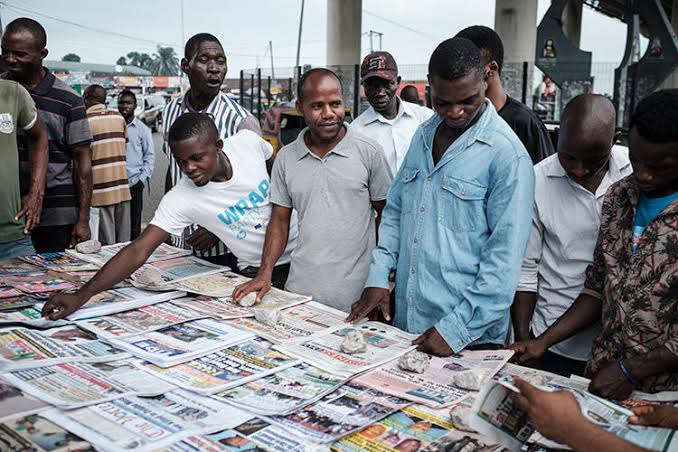
In today’s digital age, news spreads faster than ever. A single social media post can reach thousands of people within minutes, often before journalists have verified the facts. While this has transformed access to information, it has also fueled the rapid spread of fake news, misinformation, and disinformation. As false information becomes more common, an important question arises: can traditional media still be trusted?
Platforms such as Facebook, X (formerly Twitter), TikTok, WhatsApp, and Instagram have revolutionized how people consume news. Unlike newspapers, radio, and television stations, where reports undergo editorial review and fact-checking, social media allows anyone to publish information instantly. Although this has given more people a voice, it has also made it easier for false or misleading content to spread.
The impact of fake news is significant. It has fueled political tensions, damaged reputations, and weakened public trust. During elections, manipulated videos, misleading headlines, and unverified claims have influenced public opinion. In Nigeria, the spread of false information on social media during election periods has repeatedly prompted fact-checking organizations and electoral stakeholders to urge citizens to verify information before sharing it. Public health emergencies have also shown how misinformation can create fear and discourage people from following verified medical advice.
Traditional media remains an important source of credible information because it is guided by professional ethics. Journalists are expected to verify facts, consult reliable sources, and uphold fairness before publishing stories. Editors review reports for accuracy, and reputable media organizations publicly correct errors when they occur. This commitment to accountability distinguishes traditional journalism from the often unregulated nature of social media.
However, traditional media is not without criticism. Political influence, commercial interests, and sensational reporting have caused some audiences to question its credibility. In today’s competitive media environment, public trust must be earned through consistent accuracy, transparency, and balanced reporting.
The fight against fake news is not the responsibility of journalists alone. Media consumers must also think critically before sharing information. They should verify sources, compare reports from credible outlets, and avoid forwarding unverified claims. According to the UNESCO, media and information literacy equips people with the skills to critically evaluate information, identify misinformation and disinformation, and participate responsibly in democratic societies.
Educational institutions should strengthen media literacy education, while technology companies must continue improving fact-checking systems and responsible content moderation. For journalism students and media professionals, the challenge is clear: prioritize verification over speed and uphold ethical standards in every report.
Traditional media remains a cornerstone of democratic society, but its credibility depends on maintaining public trust. In an era dominated by instant communication and viral content, journalism’s greatest strength is not being first—it is being accurate. Combating fake news requires responsible journalists, informed citizens, and a shared commitment to the truth.